
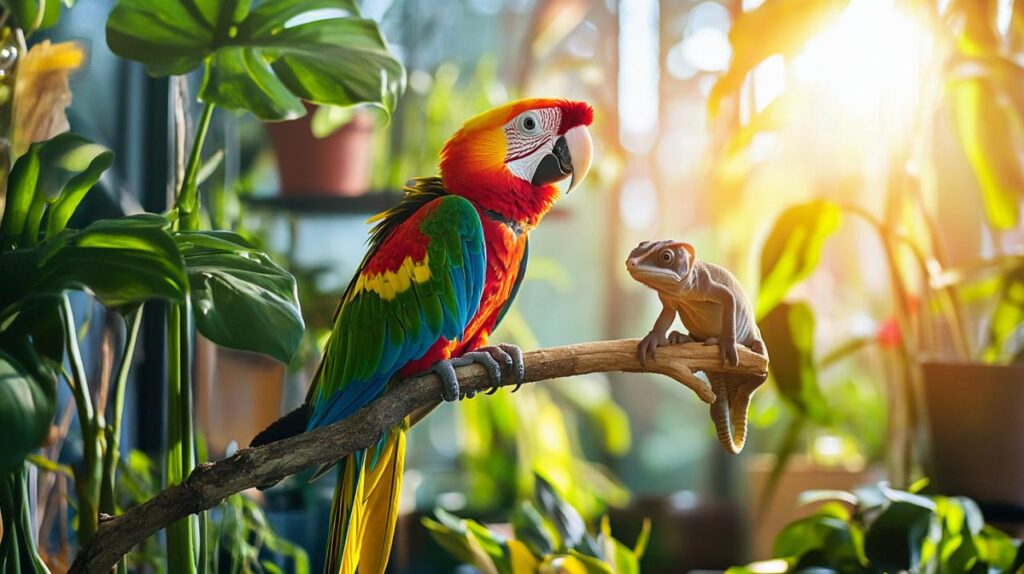
Welcoming an exotic pet into your home can be an incredibly rewarding experience, but it requires a level of dedication and understanding that goes well beyond caring for traditional domestic animals. These remarkable creatures, whether scaled, feathered, or uniquely adapted to specialised environments, demand thoughtful attention to their individual needs. Success in maintaining the health and happiness of your exotic companion hinges on thorough research, proper environmental setup, and a genuine commitment to their long-term wellbeing.
Understanding your exotic pet's needs
Researching species-specific requirements
Before bringing an exotic pet home, it is absolutely vital to immerse yourself in comprehensive research about the species you are considering. With over thirteen thousand species of reptiles and amphibians alone kept as pets worldwide, the diversity of care requirements is staggering. Each species has evolved to thrive in specific conditions, and replicating those conditions in a domestic setting is essential. This exotic animal care guide begins with understanding that your pet's complex needs closely mirror those of their wild counterparts, making superficial or generic approaches to care wholly inadequate. Whether you are considering a bearded dragon, a parrot, or a sugar glider, understanding their natural behaviours, dietary habits, and environmental preferences will form the foundation of responsible ownership.
Legal considerations and regulations
Navigating the legal landscape surrounding exotic pet ownership is another crucial step that cannot be overlooked. Some exotic animals are protected by law, and obtaining the necessary permits and licences is not merely a formality but a legal obligation. Failure to comply with these regulations can result in serious consequences, including fines or confiscation of your pet. Additionally, these legal requirements often exist to protect both the animals and the public, ensuring that only those who are properly prepared and informed take on the responsibility of exotic pet care. Before making any commitments, verify what documentation is required in your area and ensure that you meet all the criteria.
Creating the perfect habitat
Setting up proper enclosures and environmental controls
The enclosure you provide for your exotic pet is far more than a simple container; it is their entire world. Recreating the pet's natural environment is paramount, which means investing in the right size and type of enclosure from the outset. Some reptiles, for instance, can grow to considerable sizes, necessitating large and secure spaces that allow for natural behaviours such as burrowing, climbing, or basking. Specialised heating and lighting systems are often required to mimic the conditions of their native habitats, and cutting corners on these essentials can have dire consequences for your pet's health. During periods of financial strain, it might be tempting to reduce energy costs by lowering temperatures or dimming lights, but doing so can cause serious health problems for your exotic companion.
Maintaining optimal temperature and humidity levels
Temperature and humidity control are two of the most critical aspects of exotic pet husbandry. Reptiles and amphibians, in particular, are ectothermic, meaning they rely on external heat sources to regulate their body temperature. A failure to maintain the correct thermal gradient within their enclosure can lead to metabolic disorders, weakened immune systems, and even death. Similarly, humidity levels must be carefully monitored and adjusted to reflect the natural conditions of your pet's native habitat. Investing in reliable thermometers, hygrometers, and heating equipment is non-negotiable. If you are caring for multiple animals, you may be able to share heat sources between enclosures, provided you take care not to overheat any individual habitat.
Nutrition and dietary management
Selecting species-appropriate food
A balanced and species-appropriate diet is fundamental to the health and longevity of your exotic pet. Specialist food can be expensive, but compromising on nutrition is never advisable. The dietary needs of exotic animals can vary dramatically, with some requiring live prey, others needing specific fruits and vegetables, and still others thriving on commercially prepared diets formulated for their species. Consulting a veterinarian who specialises in exotic animals to develop a tailored meal plan is highly recommended. This ensures that your pet receives all the necessary vitamins, minerals, and nutrients to support their growth, energy, and overall wellbeing.
Establishing a consistent feeding schedule
Consistency in feeding routines helps to establish a sense of security and predictability for your exotic pet. Many species benefit from regular meal times, which can also aid in monitoring their appetite and detecting early signs of illness. Overfeeding or underfeeding can both lead to significant health issues, so understanding portion sizes and feeding frequency for your specific pet is essential. Keeping detailed records of what and when you feed your pet can be invaluable, particularly when consulting with your vet or troubleshooting health concerns.
Hygiene and enclosure maintenance
Regular cleaning routines
Maintaining a clean and hygienic environment is crucial for preventing disease and ensuring your exotic pet remains healthy. Regular cleaning routines should include removing waste, uneaten food, and soiled substrate, as well as periodically disinfecting the entire enclosure. The frequency of these tasks will depend on the size of the enclosure and the nature of your pet, but neglecting them can lead to unpleasant odours, bacterial growth, and serious health risks. No one appreciates a pongy enclosure, and your pet certainly deserves better.
Preventing disease through proper sanitation
Proper sanitation goes hand in hand with regular cleaning, but it also involves understanding the potential for zoonotic diseases. Some exotic pets can carry pathogens that are transmissible to humans, making it essential to practice good hygiene when handling your pet or cleaning their habitat. Always wash your hands thoroughly after contact, and consider using gloves when cleaning enclosures. Educating all household members about these risks and implementing safety measures can help protect everyone in your home.
Finding specialist veterinary care
Locating qualified exotic animal vets
Finding a qualified veterinarian who specialises in exotic animals is one of the most important steps you can take as a responsible owner. Not every vet has the training or experience necessary to treat exotic species, so it is worth taking the time to locate a professional who truly knows their stuff. Specialist care can be expensive, but it is an investment in your pet's health and longevity. Ask for recommendations from other exotic pet owners, search for reviews online, and do not hesitate to contact potential vets to discuss their experience and approach to exotic animal care.
Scheduling regular health check-ups
Regular veterinary check-ups are essential, ideally at least once a year, even if your pet appears healthy. Many health issues in exotic animals can be subtle and difficult to detect without professional examination. Routine visits allow your vet to monitor your pet's growth, weight, and overall condition, and to catch potential problems before they become serious. Building a relationship with a trusted vet also means you will have expert support readily available in case of emergencies.
Safe handling techniques
Learning proper handling methods
Handling your exotic pet safely and confidently is a skill that requires both knowledge and practice. Different species have different temperaments and physical characteristics, and what works for one animal may not be appropriate for another. Learning the correct techniques for handling your specific pet will help prevent injury to both you and your animal. Avoid grabbing your pet haphazardly, as this can cause stress and lead to defensive behaviours such as biting or scratching. Patience and gentle, consistent handling will help build trust and make interactions more enjoyable for everyone involved.
Recognising Signs of Stress in Your Pet
Understanding the signs of stress in your exotic pet is crucial for maintaining their mental and physical wellbeing. Stress can manifest in many ways, including changes in appetite, lethargy, aggression, or unusual behaviours. Being attuned to your pet's normal behaviour patterns will help you quickly identify when something is amiss. Providing a calm, stable environment with opportunities for enrichment and socialisation can help minimise stress and promote a happier, healthier life for your companion.
Health and safety considerations
Understanding potential risks and zoonotic diseases
Exotic pet ownership comes with certain health and safety considerations that must not be ignored. Some exotic animals can carry diseases that are transmissible to humans, known as zoonotic diseases. Understanding these risks and taking appropriate precautions is essential for protecting yourself and your family. Always handle your pet with care, practice good hygiene, and educate household members about safe interaction practices. Being informed and proactive will help you enjoy the company of your exotic pet without unnecessary risks.
Implementing safety measures for household members
If you share your home with children, elderly individuals, or anyone with a compromised immune system, additional safety measures may be necessary. Supervise interactions between your exotic pet and vulnerable household members, and ensure that everyone understands the importance of hygiene and safe handling. Creating clear guidelines and routines can help prevent accidents and ensure that your exotic pet is a source of joy rather than concern.
Long-term commitment and planning
Evaluating lifespan and care requirements
Exotic pets often have long lifespans, with many reptiles living for decades when properly cared for. This longevity is a testament to the quality of care you can provide, but it also represents a significant long-term commitment. Before acquiring an exotic pet, honestly assess whether you are prepared for the responsibilities that come with years, or even decades, of care. The needs of your pet may change as they age, and being prepared to adapt and continue providing excellent care is essential.
Preparing for Financial and Time Investments
The financial and time investments required for exotic pet care can be substantial. Specialist care, high-quality food, appropriate enclosures, and veterinary expenses all add up, and these costs should be carefully considered before making a commitment. Additionally, the time required for daily care, enclosure maintenance, and socialisation should not be underestimated. If you find yourself struggling to meet these demands, do not hesitate to seek help. There are rescue centres, specialist forums, and exotic vets who can offer support and guidance.
Seeking expert guidance and support
Connecting with exotic pet communities
Connecting with communities of fellow exotic pet enthusiasts can be an invaluable source of support, advice, and inspiration. Online forums, local clubs, and social media groups provide opportunities to share experiences, ask questions, and learn from others who have faced similar challenges. These communities can also be a source of practical tips, such as making DIY toys for birds or creating natural perches and stands from branches, helping you provide enrichment without breaking the bank.
Accessing professional advice when needed
Finally, never be afraid to seek professional advice when you need it. Whether you are facing a health concern, struggling with behavioural issues, or simply feeling overwhelmed, there are experts available who can help. Specialist vets, experienced breeders, and animal behaviourists all have valuable knowledge to share. If you find that you can no longer care for your exotic pet, reaching out for help is the responsible course of action. Rescue centres and specialist organisations can assist in finding a suitable new home where your pet can continue to thrive.