
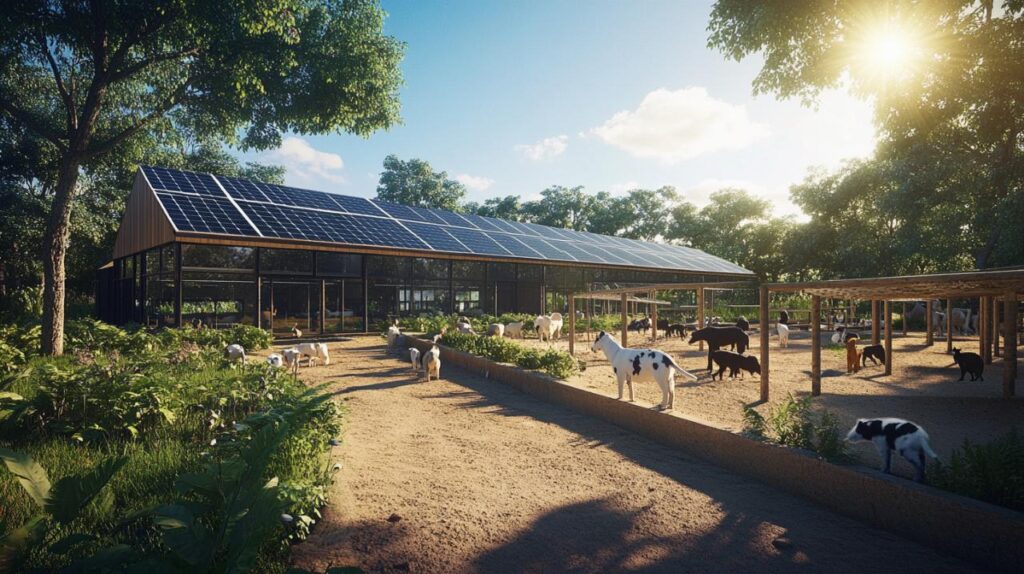
The integration of solar energy into animal care facilities represents a transformative opportunity for those committed to both environmental stewardship and the highest standards of animal welfare. As the clean energy transition gathers momentum across the United Kingdom, farms, veterinary practices, and wildlife conservation centres are discovering that photovoltaic systems offer more than just reduced electricity bills. They provide a pathway towards sustainable energy independence whilst simultaneously enhancing the conditions in which animals are housed and cared for. From shading livestock during sweltering summer months to ensuring uninterrupted power for climate-controlled enclosures, solar installations are proving indispensable in modern agricultural and veterinary settings.
Assessing energy requirements for different animal housing
Understanding the specific energy demands of various animal housing configurations is the essential first step in designing an effective solar solution. Different species have vastly different needs, and these requirements can fluctuate dramatically depending on the season, the age of the animals, and the particular purpose of the facility. A dairy operation, for instance, will have different power consumption patterns compared to a veterinary practice specialising in exotic animals or a wildlife rehabilitation centre. The key is to conduct a thorough audit of current energy usage, paying close attention to peak demand periods and identifying opportunities where renewable energy can make the most significant impact.
Calculating Power Needs for Heating and Climate Control
Heating and climate control systems often account for the lion's share of energy consumption in animal care facilities. Whether it is maintaining a stable temperature in farrowing pens for newborn piglets or ensuring that a reptile enclosure stays within a narrow thermal range, these systems run continuously and demand reliable power. When calculating power needs, it is crucial to consider not only the baseline heating requirements but also the additional load during extreme weather events. Veterinary practices, which must adhere to strict veterinary certification standards, often require precise climate control to ensure the comfort and recovery of patients. By mapping out these demands, facility managers can determine the capacity of solar panels and battery storage solutions needed to maintain operations even during grid outages. Energy management tools and daily monitoring, as demonstrated by facilities that have successfully reduced their energy bills by significant margins, can reveal inefficiencies and guide the sizing of photovoltaic systems.
Lighting requirements across various species enclosures
Lighting is another critical component of animal housing that must be carefully evaluated. Different species have evolved under varying light conditions, and replicating these environments is essential for their well-being. Poultry, for example, require specific photoperiods to optimise egg production, whilst nocturnal animals in rehabilitation centres benefit from dimmed or red-spectrum lighting during their active hours. Solar energy can power these diverse lighting systems efficiently, particularly when paired with energy-efficient LED technology. In agricultural settings, the integration of solar panels can also provide shade for livestock, which not only improves animal welfare but also contributes to healthier, more productive animals. Cows with access to shade, for instance, have been shown to gain more weight during hot months, and healthier animals often lead to increased milk production and higher quality meat. These dual benefits underscore the importance of considering lighting and shading together when planning solar installations.
Selecting appropriate solar equipment for agricultural settings
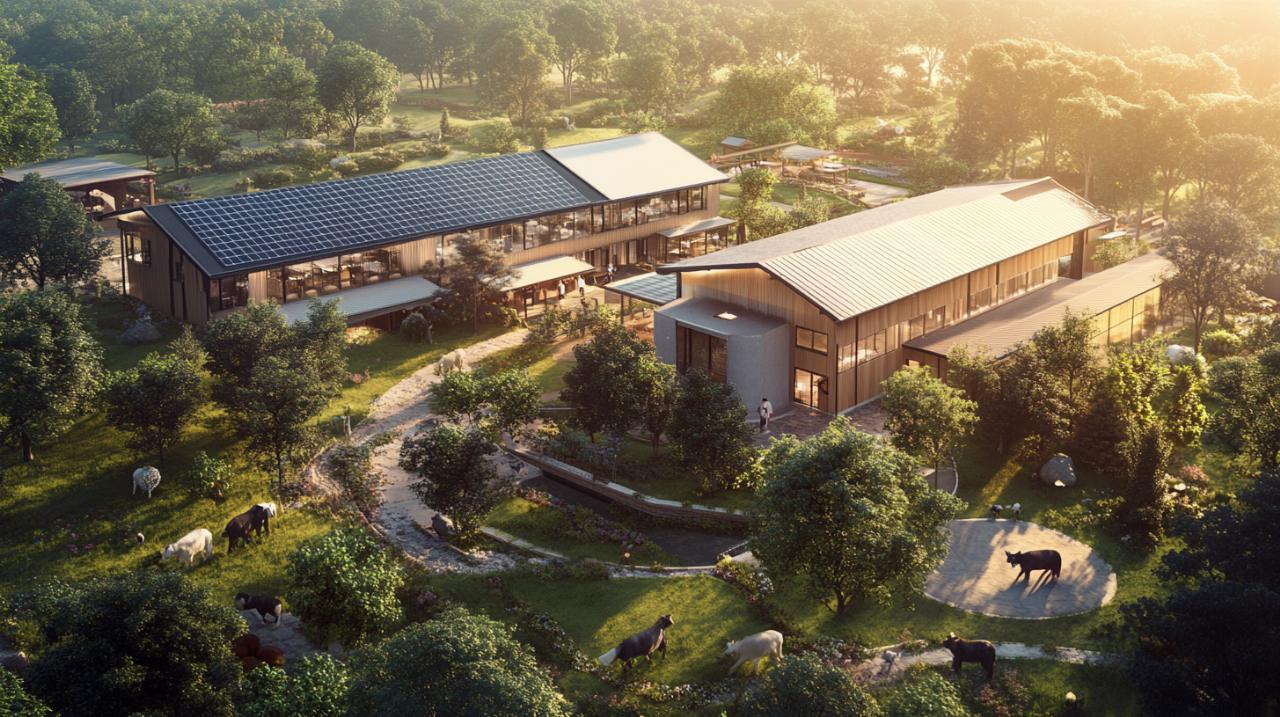
Choosing the right solar equipment is paramount to the success of any renewable energy project, particularly in the demanding environments of farms and animal care facilities. The rural and agricultural settings in which these installations are typically located present unique challenges, from exposure to the elements to the need for robust, low-maintenance systems. Selecting equipment that is both durable and fit for purpose ensures that the solar installation will deliver reliable performance over its lifespan, providing continuous support for animal care operations.
Panel Types Suitable for Rural and Farm Environments
Not all solar panels are created equal, and the choice of panel type can significantly influence the overall efficiency and resilience of a system. Monocrystalline panels, known for their high efficiency and sleek appearance, are often favoured in residential settings, but they can also perform admirably in agricultural contexts where space is at a premium. Polycrystalline panels, whilst slightly less efficient, offer a more cost-effective solution and are well-suited to larger installations where ample roof or ground space is available. For rural environments, where dust, bird droppings, and other debris can accumulate, selecting panels with robust tempered glass and anti-reflective coatings can help maintain optimal performance. Elevated ground mount solar arrays are particularly popular in agricultural settings, as they can provide shade for animals whilst generating clean energy. This dual function not only improves animal welfare by helping to regulate body temperature and reduce stress during hot weather, but it also maximises the productive use of available land. When selecting panels, it is also worth considering the environmental protection measures required under recent legislation, such as the biodiversity net gain requirements introduced by the Environment Act. Ensuring that solar farms and installations support habitat enhancement and pollinator support can contribute to broader wildlife conservation goals.
Battery storage solutions for continuous animal care operations
Battery storage is an increasingly vital component of solar installations, particularly in facilities where uninterrupted power is essential for animal welfare. Veterinary practices, for example, rely on continuous electricity to maintain life-support systems, refrigeration for medicines, and climate control for recovering patients. Similarly, intensive livestock operations and wildlife conservation centres cannot afford power interruptions that might compromise the health and safety of the animals in their care. Modern battery storage solutions, such as lithium-ion and flow batteries, offer reliable energy reserves that can be drawn upon during periods of low sunlight or unexpected grid outages. When sizing a battery system, it is important to calculate not only the average daily energy consumption but also the peak demand and the duration for which backup power is required. Large-scale developments, such as solar farms, are now integrating long-duration energy storage to ensure grid connection stability and continuous power supply. For smaller facilities, modular battery systems offer flexibility, allowing capacity to be increased as the facility expands or as energy demands grow. Incorporating animal care tips into energy management strategies can also help optimise battery usage, such as scheduling high-energy tasks during peak solar generation hours to reduce reliance on stored power.
The convergence of renewable energy and animal care is creating new opportunities for sustainable practices that benefit both the environment and the creatures in our stewardship. By carefully assessing energy requirements and selecting appropriate solar equipment, animal care facilities can achieve energy efficiency, reduce operational costs, and contribute to the broader clean energy transition. The evidence from successful installations demonstrates that solar solutions are not only viable but advantageous, offering shade, reducing heat-related stress, and supporting the health and productivity of livestock. As the United Kingdom continues to advance its commitment to environmental protection and biodiversity net gain, integrating solar energy into animal care facilities will play an increasingly important role in shaping a sustainable future for agriculture and veterinary practices alike.