
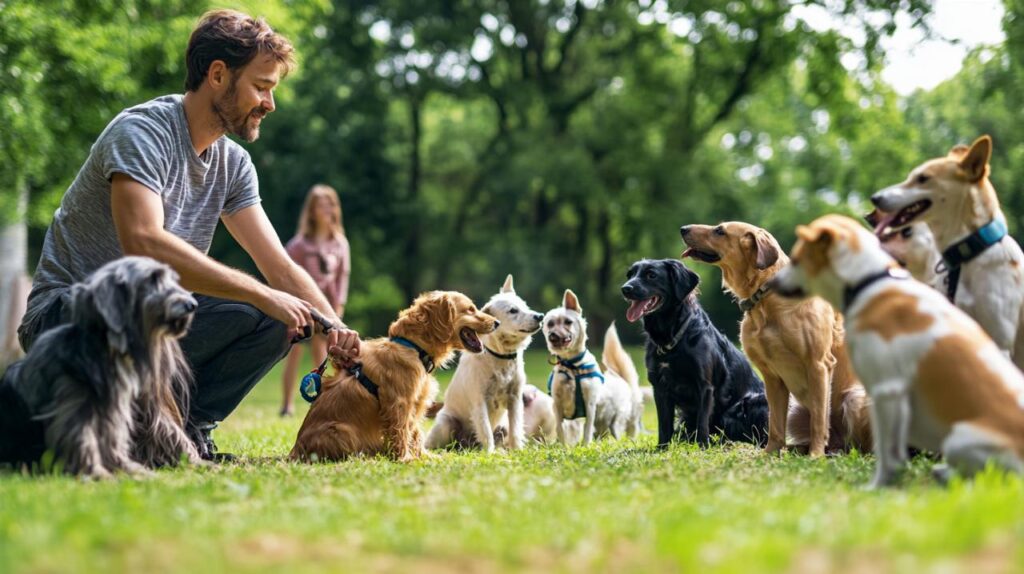
The expanding field of canine guardianship represents a fascinating convergence of ancient instinct and contemporary training methodologies, offering profound implications for animal protection services. As societies increasingly recognise the value of harnessing natural protective behaviours in dogs, questions arise about how best to channel these innate abilities towards safeguarding vulnerable species and enhancing welfare outcomes across diverse contexts. From rural livestock operations to wildlife conservation zones, the deployment of specially trained guardian dogs continues to demonstrate remarkable potential, though not without prompting important discussions about standards, ethics, and efficacy.
Understanding guardian instinct training principles for canine protection work
The natural protective behaviours inherent in working dog breeds
Canine protective instincts trace their lineage back to wolf ancestry, where survival depended upon vigilance, territory defence, and collective security within the pack structure. Modern protection dogs, particularly breeds such as German Shepherds, Belgian Malinois, Rottweilers, Dobermans, and Cane Corsos, retain these ancestral traits in remarkably robust forms. Their strong hunting drive, originally honed for pursuing prey, translates seamlessly into a heightened awareness of environmental threats and an ability to respond decisively when circumstances demand intervention. This biological inheritance forms the foundation upon which effective guardian training programmes are built, providing trainers with raw material that, when refined through appropriate methods, can produce dogs capable of sophisticated protective work.
Loyalty remains one of the most defining characteristics of these breeds, rooted deeply in their pack mentality. Dogs naturally regard their human companions as members of their social group, creating bonds that extend beyond simple obedience to encompass genuine dedication and commitment. Training, consistent praise, and quality time spent together serve to reinforce this connection, transforming it into a reliable partnership that underpins all subsequent protection work. The temperament of individual animals varies considerably, making careful selection essential for those seeking to develop guardian capabilities. Reputable breeders understand the importance of lineage, health screening, and early socialisation in producing dogs with stable, trainable dispositions suited to demanding roles.
Developing controlled responses through structured training programmes
While natural instincts provide the foundation, comprehensive training transforms raw potential into refined capability. Socialisation stands as perhaps the most critical early intervention, exposing young dogs to diverse environments, people, and situations to build confidence and reduce the likelihood of inappropriate defensive reactions. This phase requires patience and expertise, as dogs must learn to differentiate between genuine threats and harmless situations, a discrimination that forms the cornerstone of reliable protection work. Without proper socialisation, even dogs with excellent protective instincts may respond unpredictably, potentially creating hazards rather than enhancing security.
Continuous training ensures that skills remain sharp and responses remain controlled. Advanced programmes often incorporate bite and release commands, teaching dogs to engage threats on command and disengage with equal precision. Such techniques demand exceptional discipline from both handler and animal, as the margin for error in high-stakes situations remains vanishingly small. The growing UK demand for protection dogs has prompted both innovation and concern within the training community. Companies such as K9 Protector, which sells between 40 and 60 dogs annually with prices for specialised hybrids starting at £32,000, exemplify the commercial dimension of this field. Yet this expansion has not occurred without controversy, particularly regarding training methods and the qualifications of those offering services.
Complaints received by the Royal Society for the Prevention of Cruelty to Animals reflect mounting concerns about potential coercion or forceful techniques employed in some training contexts. In 2020, the organisation received just two complaints regarding protection dogs; by the following year, that figure had surged to 39. Trainer Grahame Green notes increased inquiries about protection dog services but acknowledges that he discourages most prospective clients due to the significant risks and responsibilities involved. The absence of specific regulation under existing legislation such as the Guard Dogs Act creates a legal ambiguity that some fear allows inconsistent standards and potential exploitation of vulnerable individuals seeking security solutions. Attempts to establish a comprehensive regulatory body have thus far failed, leaving the industry operating without unified oversight or enforceable quality benchmarks.
Implementing guardian dogs in modern animal welfare operations
Practical applications across wildlife conservation and livestock protection
Beyond personal security contexts, guardian dogs offer substantial benefits within animal protection services, where their protective instincts can be directed towards safeguarding livestock from predators or deterring poaching activities in conservation areas. In pastoral settings, breeds with strong territorial instincts patrol boundaries, providing a non-lethal deterrent to wolves, coyotes, and other predators that might otherwise decimate flocks or herds. This approach aligns with contemporary conservation ethics that prioritise coexistence between human agricultural interests and wild carnivore populations, reducing the need for lethal control measures that can disrupt ecosystems and provoke public controversy.
Wildlife reserves and protected areas have similarly embraced guardian dogs as tools for anti-poaching efforts, capitalising on their acute senses and tireless vigilance. Dogs trained for these roles patrol vast territories, detecting human intrusion far earlier than technological surveillance systems might register suspicious activity. Their presence alone often proves sufficient to discourage illegal hunters, who recognise the significant risk posed by animals capable of tracking, pursuing, and restraining intruders until human reinforcements arrive. The effectiveness of such programmes depends critically on matching dog temperament to operational demands, ensuring that animals possess not only protective drive but also stamina, environmental adaptability, and responsiveness to handler direction across challenging terrain and weather conditions.
Celebrity endorsements have undoubtedly contributed to the heightened visibility of protection dogs, with figures such as Rochelle and Marvin Humes, Molly-Mae Hague, Katie Price, Barry Keoghan, John Terry, Rio Ferdinand, Marcus Rashford, and Raheem Sterling publicly acquiring such animals. Social media amplifies this trend, presenting images of imposing, highly trained dogs as symbols of status and security. However, experts caution that this visibility may obscure the substantial commitment required to responsibly manage protection-trained animals. The worry persists that dogs are increasingly sought as status symbols rather than functional security assets, with insufficient consideration given to the risks inherent in keeping animals capable of inflicting serious harm.
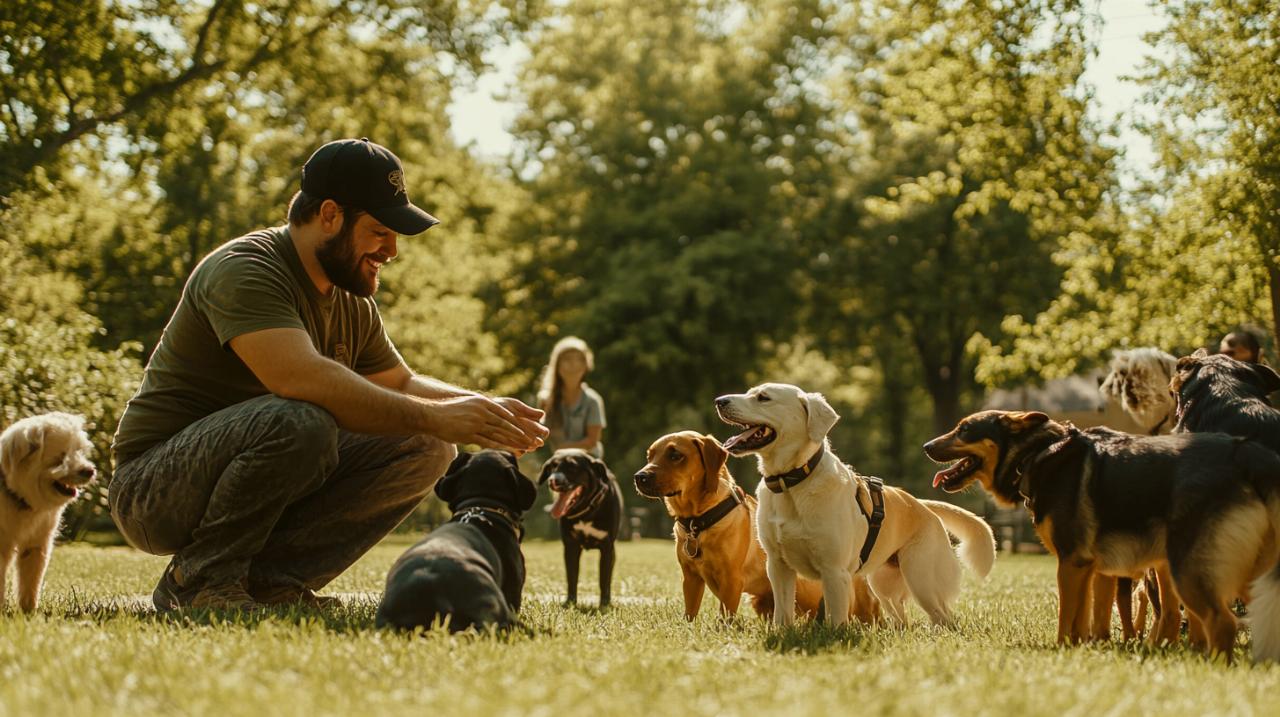
Measuring Success and Welfare Outcomes in Guardian Dog Programmes
Evaluating the success of guardian dog initiatives requires metrics that extend beyond simple incident counts to encompass animal welfare, handler satisfaction, and broader ecological or agricultural impacts. In livestock protection contexts, success might be measured through reduced predation rates, decreased reliance on lethal predator control, and improved economic outcomes for farmers. Conservation programmes assess effectiveness through poaching incident reductions, successful apprehensions, and the deterrent effect measured through decreased intrusion attempts over time. Yet these quantitative measures must be balanced against qualitative considerations, particularly concerning the welfare of the guardian dogs themselves and the animals they protect.
Concerns about training methods remain paramount, as the line between effective conditioning and coercive treatment can prove disturbingly thin. Responsible programmes prioritise positive reinforcement, building desired behaviours through reward rather than punishment, and ensuring that dogs experience work as engaging rather than stressful. Physical and psychological welfare indicators, including body condition, stress hormone levels, and behavioural assessments, provide insight into whether guardian roles enhance or compromise canine wellbeing. The alternative security measures suggested by organisations such as the Royal Society for the Prevention of Cruelty to Animals merit serious consideration, particularly in contexts where technological solutions might achieve similar outcomes without the ethical complexities inherent in deploying animals trained for confrontation.
Rising dog attacks across the UK compound anxieties about protection dogs, though official statistics do not differentiate between trained protection animals and other dogs involved in incidents. This data gap complicates efforts to assess whether guardian-trained dogs pose disproportionate risks or whether public concerns reflect broader issues within dog ownership and management practices. Some observers, including industry critics, believe it is only a matter of time before a protection dog causes serious injury or death during an altercation, highlighting the urgent need for robust regulatory frameworks and professional standards. The failure to establish effective oversight leaves the sector vulnerable to inconsistent practices, inadequate training, and the potential for poorly prepared dogs to be placed in situations exceeding their capabilities or compromising public safety.
The future of guardian instinct training within animal protection services will likely depend on the sector's ability to self-regulate, demonstrate measurable welfare benefits, and maintain transparency about methods and outcomes. Reputable trainers and breeders recognise that their long-term viability rests upon producing reliable, well-adjusted animals that enhance rather than endanger the communities they serve. As demand continues to grow, driven by genuine security needs and the allure of canine companionship combined with protective capability, the challenge remains to separate responsible practice from exploitation, ensuring that both dogs and the animals they guard benefit from these carefully cultivated partnerships.