
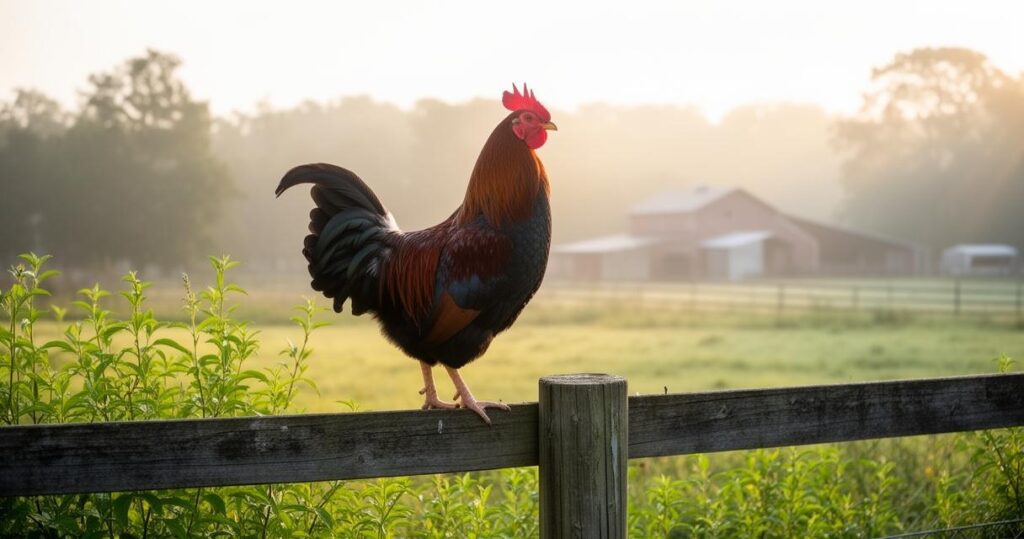
Managing a rooster's natural vocalisation can be both an art and a science for those who keep poultry in residential or semi-urban settings. While these birds play an essential role in flock dynamics and farmyard life, their enthusiastic calls at unsociable hours can create tension with neighbours and disrupt domestic tranquillity. Fortunately, there are practical and humane approaches that allow responsible owners to balance their love for chickens with community harmony, ensuring everyone can enjoy peaceful mornings without sacrificing the joys of urban farming.
- Roosters crow instinctively at dawn to assert territorial dominance and communicate with their flock.
- Persistent early morning noise can lead to social tension and legal issues, making noise mitigation essential for urban chicken owners.
- Managing environmental light by using blackout curtains or solid coop doors can delay a rooster's morning vocalization.
- A non-invasive rooster collar can humanely dampen the volume of a crow without restricting the bird's breathing or eating.
- Combining environmental adjustments with collars and controlled release times provides a reliable method for maintaining community harmony.
- Responsible poultry ownership requires open communication with neighbors and proactive coop maintenance to ensure a positive impact on the local community.
Understanding cockerel behaviour and early morning vocalisations
Why Roosters Crow at Dawn: Natural Instincts and Territorial Calls
Roosters are wired by nature to announce their presence and assert dominance over their territory, a behaviour deeply rooted in their evolutionary history. This instinctive crowing typically begins at dawn, when the first hints of light trigger a cascade of calls that can continue throughout the day. Research into rooster behaviour reveals that these birds may crow between twelve and fifteen times daily, with some particularly vocal individuals starting as early as three in the morning. This pattern is not a sign of aggression or distress but rather a natural expression of their role within the flock. The crow serves multiple purposes: it establishes boundaries, communicates with hens, and signals to rival males that the territory is occupied. Understanding this innate drive helps owners appreciate why their roosters are so persistent and why simply expecting them to remain silent is unrealistic without thoughtful intervention.
The Impact of Persistent Crowing on Domestic Tranquillity and Community Relations
While the sound of a rooster crowing might evoke idyllic rural imagery, the reality for those living in close quarters with neighbours can be quite different. Persistent early morning calls can lead to strained relationships, complaints, and even legal disputes in areas where noise ordinances are strict. The disruption to sleep and daily routines affects not only immediate neighbours but also the overall sense of community well-being. For urban farming enthusiasts who wish to maintain a small flock, this challenge can become a significant barrier to enjoying the benefits of fresh eggs and sustainable living. Addressing the noise issue is therefore not merely about convenience but about fostering respectful coexistence. Responsible ownership involves recognising the impact of one's animals on others and taking proactive steps to mitigate disturbances, ensuring that the practice of keeping chickens remains a positive addition to the neighbourhood rather than a source of friction.
Practical methods to reduce noise: step-by-step distraction techniques
Environmental Adjustments: Creating a Calmer Roosting Space to Minimise Disturbances
One of the simplest yet most effective strategies for reducing a rooster's crowing frequency lies in modifying the environment in which the bird sleeps and wakes. Roosters often begin their vocalisations in response to light, so controlling exposure to dawn's first rays can delay their morning calls significantly. By ensuring the coop is well-insulated and fitted with blackout curtains or solid doors, owners can create a darker, more controlled space that keeps the rooster settled for longer. Additionally, positioning the coop away from streetlights or other artificial sources of illumination helps maintain a natural, uninterrupted rest period. Providing ample space within the roosting area also reduces stress and competition, which can contribute to excessive vocalisation. A calm, secure environment encourages the bird to remain quieter, as it feels less compelled to assert dominance or signal alarm. These environmental tweaks are gentle, non-invasive, and align well with the principles of natural care and humane animal husbandry that many smallholders and DIY enthusiasts value.
Implementing Gentle Collar Solutions and Timing Strategies for Controlled Vocalisations
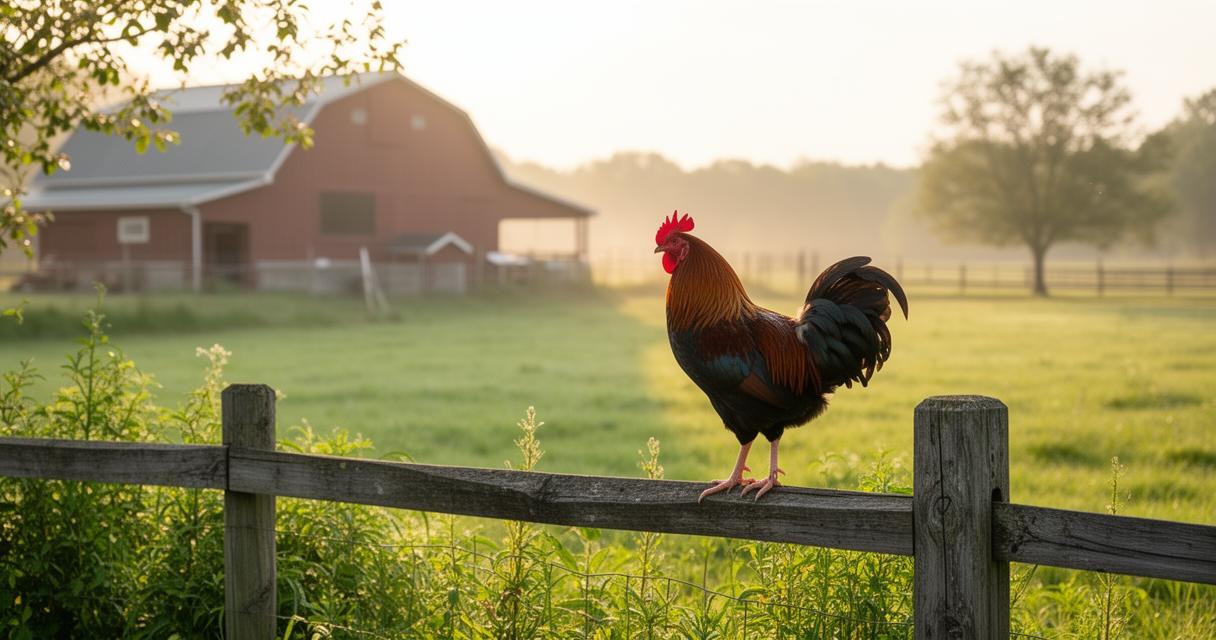
For those who have tried environmental adjustments but still face early morning disturbances, a rooster collar offers a practical and humane solution. This simple device works by gently restricting the airflow required for a full-throated crow, reducing the volume without causing discomfort or harm to the bird. Typically fashioned from six to eight inches of double-sided Velcro, the collar fits snugly but not tightly around the rooster's neck, allowing normal breathing and eating while dampening the loudness of his calls. The beauty of this approach lies in its non-invasive nature; unlike shock collars or other punitive measures, a rooster collar is a gentle tool that respects the animal's welfare while addressing the noise reduction needs of the owner. Fitting the collar requires a steady hand and patience, ensuring it sits comfortably without restricting movement or causing distress. Many urban farmers have found this method transforms their experience, making it possible to keep a rooster even in areas with strict noise regulations. Combined with timing strategies such as keeping the coop closed until a more reasonable hour, this two-step approach offers a reliable pathway to peace without sacrificing the benefits of having a cockerel in the flock.
Responsible ownership and neighbourhood consideration
Balancing Poultry Keeping with Respect for Surrounding Residents
Keeping chickens, goats, sheep, or other farm animals in residential settings requires a thoughtful approach that prioritises the well-being of both the livestock and the human community. Responsible ownership begins with open communication, informing neighbours of plans to keep poultry and addressing any concerns before they escalate. Offering reassurance through practical measures such as noise management, odour control, and proper coop maintenance demonstrates a commitment to being a considerate neighbour. Many successful urban farmers also share the rewards of their efforts, distributing fresh eggs or garden produce as a gesture of goodwill that fosters positive relationships. This approach aligns with the broader ethos of healthy lifestyle choices and sustainable living, where the goal is not only personal benefit but also contributing positively to the wider community. By viewing rooster ownership as a shared responsibility rather than an isolated hobby, keepers can navigate the challenges of urban farming with grace and respect.
Long-term management: maintaining peaceful relations whilst caring for your flock
Sustaining harmony over the long term requires ongoing attention to both animal behaviour and neighbourhood dynamics. Regular monitoring of the rooster's crowing patterns, adjusting collar fit as needed, and remaining responsive to feedback from neighbours ensures that initial solutions remain effective. Seasonal changes, breeding cycles, and the introduction of new birds can all influence vocalisation, so flexibility and vigilance are key. Engaging with local gardening and farming communities, whether through social media platforms or in-person meet-ups, provides valuable support and fresh ideas for managing common challenges. Many bloggers and online resources dedicated to DIY projects, farm planning, and natural methods offer insights and encouragement for those navigating the complexities of small-scale animal husbandry. By embracing a mindset of continuous improvement and open dialogue, poultry keepers can enjoy the many rewards of raising chickens while preserving the tranquillity and goodwill essential to thriving neighbourhood relations.