
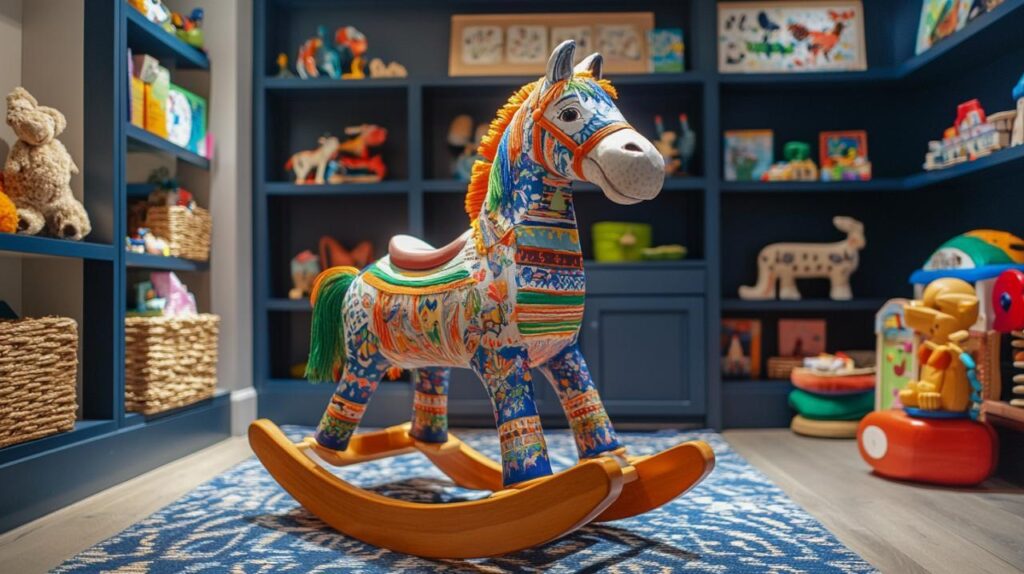
Selecting the ideal rocking horse for your little one is a delightful yet important decision that combines nostalgia, practicality, and a touch of magic. These timeless children's toys have graced nurseries and playrooms for generations, offering not only endless fun but also valuable developmental benefits. From enhancing balance and coordination to nurturing imaginative play, a well-chosen rocking horse becomes a cherished companion throughout early childhood. With so many options available today, ranging from classic wooden designs to plush and interactive models, understanding the key factors that influence your choice will ensure you invest in a toy that is safe, durable, and perfectly suited to your child's needs.
Age-appropriate sizing and safety considerations
Matching the Rocking Horse to Your Child's Age and Size
One of the most crucial aspects when selecting a rocking horse is ensuring it matches your child's age and physical size. A toddler rocker designed for a six-month-old will typically feature a seat height between twenty-eight and thirty-two centimetres, providing a low centre of gravity that allows even the youngest riders to feel secure. As children grow, their requirements change accordingly. For those aged nine months and above, a seat height ranging from thirty-four to forty centimetres is more appropriate, while youngsters around one year old will benefit from a seat positioned at approximately forty-six centimetres. By the time your child reaches eighteen months, a seat height of fifty-five centimetres becomes suitable, and this increases to sixty centimetres for two-year-olds and sixty-six centimetres for three-year-olds. For older children between three and twelve years, some models offer seat heights up to eighty-three centimetres, ensuring the rocking horse remains a beloved fixture well into the primary school years.
Understanding these age recommendations is essential because a properly sized rocking horse allows your child to climb on and off independently, fostering confidence and autonomy. When their feet can touch the ground slightly, they gain better control over their rocking motion and can stabilise themselves more easily. Toddler rockers are generally designed to support weights of up to fifteen to twenty kilograms, which is ideal for younger children. If you want to find out more about how these specifications align with your child's developmental stage, consulting detailed buyer's guides and product comparisons can provide valuable insights. Ensuring the right fit not only maximises enjoyment but also significantly reduces the risk of accidents or discomfort during playtime.
Essential safety features every parent should look for
Safety is paramount when it comes to selecting any children's toy, and rocking horses are no exception. A well-constructed rocking horse should adhere to recognised safety standards such as CE marking, which indicates compliance with European Union toy safety regulations. This certification ensures that the materials used are non-toxic and that the design meets rigorous safety criteria. When examining a potential purchase, look for smooth edges and rounded corners that minimise the risk of bumps and scrapes. A secure seat with adequate support is also vital, particularly for younger riders who are still developing their balance and motor skills.
The stability of the rocking mechanism itself is another critical consideration. Whether you opt for a classic bow rocker or a modern glider base, the structure should be robust and well-balanced to prevent tipping. Supervision remains key regardless of the safety features built into the toy, as even the sturdiest rocking horse cannot entirely eliminate the need for parental oversight. Additionally, check that any paint or finish applied to the rocking horse is eco-friendly and free from harmful chemicals, ensuring a safe sensory experience for your child. Handcrafted models often use solid oak or solid pine, both of which are durable and naturally safer than synthetic alternatives. By prioritising these essential safety features, you can provide a secure and enjoyable ride-on toy that will stand the test of time.
Materials and Build Quality: What Stands the Test of Time
Comparing wood, plush, and plastic rocking horses
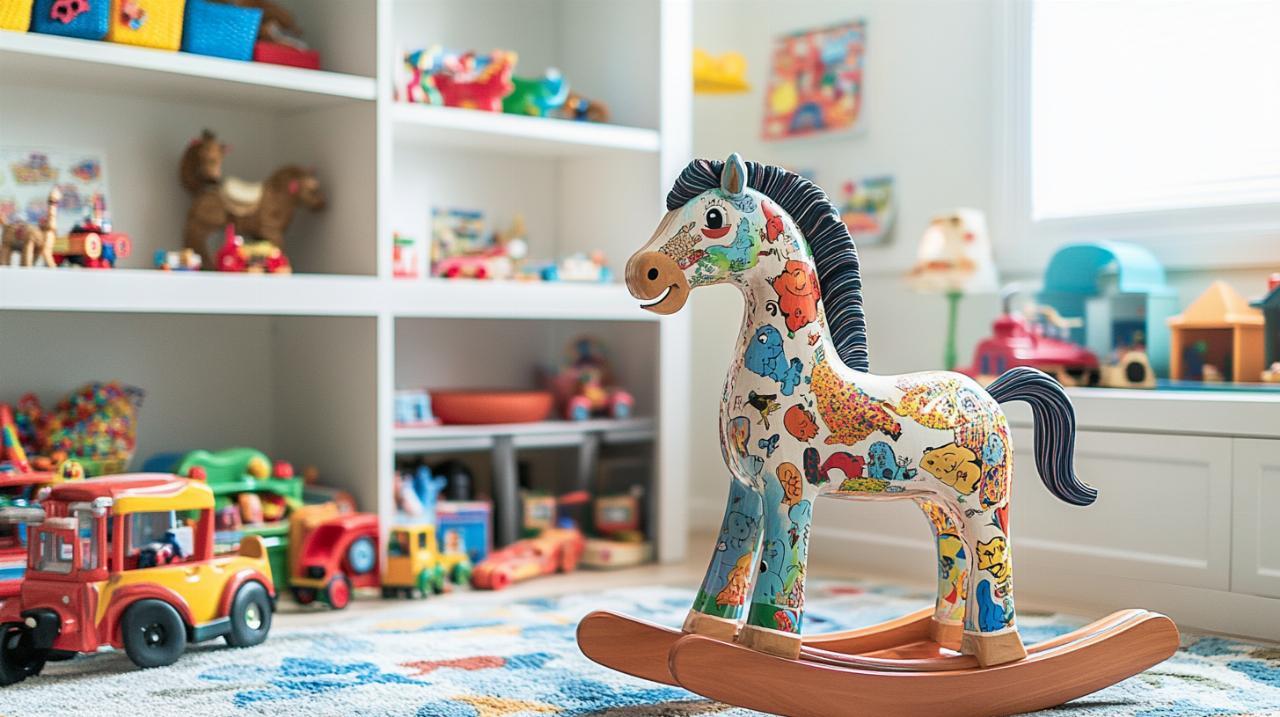
The material from which a rocking horse is made plays a significant role in its durability, aesthetic appeal, and suitability for different environments. Wooden rocking horses, particularly those crafted from solid oak or solid pine, are renowned for their timeless appeal and exceptional longevity. These handcrafted pieces often become family heirlooms, retaining their value and charm for decades. The natural texture and warmth of wood provide a rich sensory experience, and many wooden models are customisable, allowing for personalised touches such as engraved names or unique paint finishes. Moreover, wooden rocking horses are typically eco-friendly, as they are made from sustainable materials and can be repaired rather than discarded if minor damage occurs.
Plush rocking horses, on the other hand, offer a softer and more cuddly alternative. Covered in fabric and often padded, these models are particularly appealing to younger children who may find the texture more comforting. Brands such as Nattou and Little Bird Told Me have become well-known for their plush collections, which combine functionality with delightful designs. While plush rocking horses may not have the same lifespan as their wooden counterparts, they are generally easier to clean and maintain, making them a practical choice for busy households. Plastic rocking horses represent another option, valued for their lightweight construction and ease of cleaning. Little Tikes, for example, produces popular plastic models that are durable and affordable, though they may lack the traditional charm and craftsmanship associated with wooden designs. Each material has its merits, and your choice will depend on your priorities regarding durability, aesthetics, and ease of maintenance.
Assessing durability and craftsmanship
When investing in a rocking horse, assessing the build quality and craftsmanship is essential to ensure you are getting a product that will endure years of enthusiastic play. High-quality wooden rocking horses, particularly those made in the USA by artisans such as LifeSong Milestones or Amish Outlet Store, are renowned for their meticulous construction and attention to detail. These pieces often feature solid oak frames, hand-carved details, and finishes that highlight the natural grain of the wood. The level of craftsmanship in such models not only enhances their visual appeal but also contributes to their structural integrity and stability.
Durability is a hallmark of well-made rocking horses, and it is worth paying close attention to the joints, fastenings, and overall construction. A rocking horse that is repairable is a significant advantage, as minor wear and tear can be addressed without needing to replace the entire toy. Some manufacturers, such as DutchCrafters and S&S Woodcarvers, offer vintage or pre-owned models that demonstrate the enduring quality of traditional craftsmanship. While these may come at a higher price point, the investment is often justified by the longevity and continued appeal of the product. Checking reviews from other parents can also reveal insights into real-world performance, helping you gauge whether a particular model can withstand the rough and tumble of everyday use. By prioritising durability and craftsmanship, you ensure that your rocking horse remains a treasured part of your child's playtime for many years to come.
Style, Features, and Making the Right Choice
Traditional versus modern designs: finding your preferred aesthetic
The aesthetic of a rocking horse can significantly influence both its appeal to your child and how well it fits within your home decor. Traditional wooden rocking horses evoke a sense of nostalgia and classic charm, often featuring realistic horse designs complete with carved manes, saddles, and stirrups. These models are particularly popular among families who appreciate vintage styles and value the artistry involved in handcrafted toys. Collections from brands such as The Rocking Horse Co. and MJ Mark Horses exemplify this timeless aesthetic, offering designs that have remained largely unchanged for generations.
In contrast, modern designs embrace a broader range of styles and characters, from whimsical unicorn rockers to playful dinosaur rockers and elephant rockers. These contemporary options appeal to children with varied interests and can add a vibrant, imaginative element to a playroom. Brands like HOMCOM and WOLTU produce modern rocking horses that incorporate bright colours, innovative shapes, and sometimes even interactive features such as sound effects or musical elements. Whether you prefer the understated elegance of a traditional wooden horse or the cheerful exuberance of a modern animal rocker, the choice ultimately depends on your personal taste and your child's preferences. Exploring different styles and designs can be an enjoyable part of the selection process, ensuring that the rocking horse you choose becomes a beloved centrepiece in your home.
Special features and what reviews reveal about real-world performance
Beyond the basic design and material, many rocking horses come equipped with special features that can enhance the play experience. Musical rocking horses and models with sound effects add an interactive dimension, delighting children with neighing sounds, galloping rhythms, or cheerful melodies. These features are particularly popular with younger children who are drawn to sensory stimulation and interactive toys. Some models also offer adjustable stirrups, allowing the rocking horse to grow with your child and ensuring a comfortable fit over several years. Customisable options, such as personalised engravings or bespoke paint finishes, add a unique touch that can make the toy even more special.
Reading reviews from other parents is an invaluable step in the decision-making process, as they provide real-world insights into how a rocking horse performs under everyday conditions. Top-rated models, such as the Rocking Horse Co. Plush Rocking Horse and the WOLTU Wooden Baby Rocking Horse, have garnered high ratings and numerous purchases, indicating strong customer satisfaction. Reviews often highlight aspects such as ease of assembly, sturdiness, and how well the rocking horse holds up to frequent use. They can also reveal any potential drawbacks, such as issues with shipping costs or longer-than-expected delivery times. Payment methods are typically flexible, with most retailers accepting a range of options including American Express, PayPal, and various digital wallets, making the purchasing process convenient. By carefully considering both the special features available and the feedback from other buyers, you can make an informed choice that ensures your rocking horse delivers joy, safety, and lasting value for your child.