
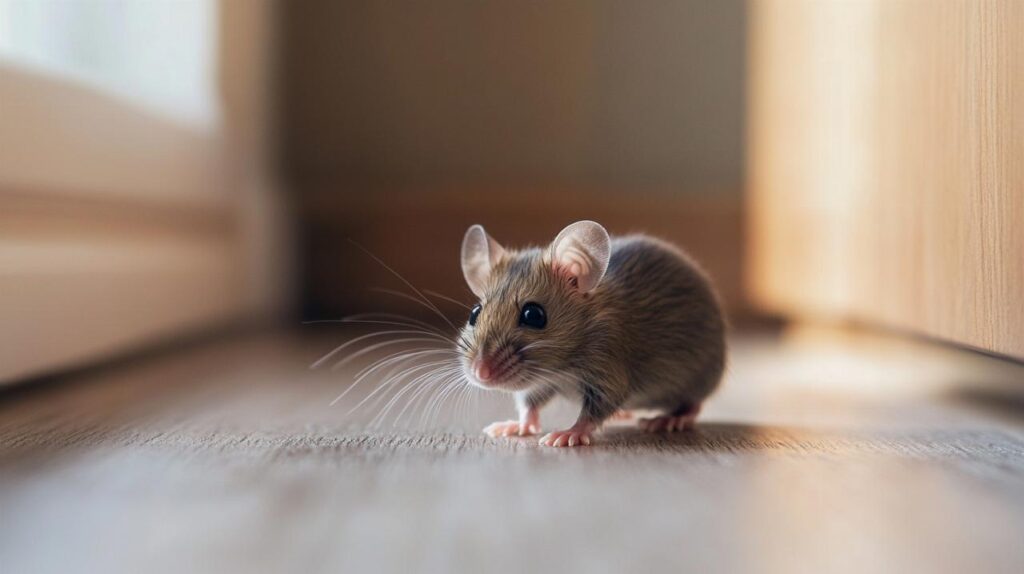
Dealing with unwanted rodent visitors can be a frustrating experience for any homeowner. When it comes to selecting the right tools for managing a mouse problem, understanding the nuances of glue traps becomes essential. The market in 2025 offers a variety of options, each designed to address different scenarios based on the size of the trap and the extent of the infestation. Making an informed choice ensures not only effectiveness but also safety and practicality within your living space.
Understanding Trap Dimensions and Their Impact on Effectiveness
The physical dimensions of a glue trap play a crucial role in determining how well it will perform in capturing mice. Larger traps naturally cover more surface area, which can be advantageous when dealing with multiple mice or larger rodent species. However, the choice between standard and oversized glue traps should be informed by the specific circumstances of your home and the type of mice you are encountering. Understanding these differences helps in making a strategic decision that aligns with your pest control needs.
Standard size glue traps versus oversized options for different mouse species
Standard glue traps are typically compact and designed to fit discreetly along baseboards and in tight corners where mice commonly travel. These traps are effective for the average house mouse, which is smaller in size and tends to follow predictable pathways along walls. The adhesive surface of a standard trap is sufficient to capture a single mouse, making it a practical choice for homeowners dealing with occasional or light activity. On the other hand, oversized glue traps provide a broader adhesive area, which can be beneficial in situations where you suspect the presence of larger rodents or when you want to increase the likelihood of capturing a mouse that may move more erratically. The larger dimensions also mean that these traps can accommodate multiple captures, although this raises questions about the humane treatment of the animals and the practicality of disposal. When considering trap dimensions, it is important to remember that glue traps are generally not very effective for adult mice, as they can sometimes escape or suffer prolonged distress. This makes them a less favourable option compared to snap traps or electronic alternatives, which are both quicker and more humane. Nevertheless, for those who prefer glue traps for ease of use, selecting the right size based on the species and expected activity level can improve outcomes.
Placement Strategies Based on Trap Width and Length Specifications
The effectiveness of any glue trap is significantly influenced by where and how it is positioned within your home. Mice are creatures of habit, often following the same routes along walls and baseboards as they search for food and nesting materials. Placing traps at a ninety-degree angle to the wall, with the adhesive surface facing outward, ensures that mice encounter the trap as they navigate their usual paths. The width and length of the trap determine how much of the pathway is covered, so a wider trap can be particularly useful in high-traffic areas where multiple mice may be present. In narrow spaces such as behind appliances or in cupboards, a standard-sized trap may be more appropriate, as it can fit snugly without obstructing the area. It is also advisable to position traps close together in zones where you have observed signs of mouse activity, such as droppings or gnaw marks. This clustering increases the probability of capture and helps to address the infestation more efficiently. When setting up glue traps, avoid placing them in areas where children or pets may come into contact with the adhesive, as this can lead to unintended harm or distress. Wearing gloves during the placement process is recommended to prevent the transfer of human scent, which can deter mice from approaching the trap. By carefully considering the dimensions and positioning of your glue traps, you can enhance their effectiveness and contribute to a more successful pest control strategy.
Assessing infestation severity to determine glue trap requirements
Before investing in glue traps or any other pest control solution, it is vital to assess the severity of the mouse infestation in your home. This evaluation will guide you in selecting the appropriate number and type of traps, as well as informing whether professional assistance may be necessary. Understanding the extent of the problem allows for a more targeted and efficient approach, saving both time and resources while ensuring that the issue is addressed comprehensively.
Identifying light, moderate, and heavy mouse activity levels
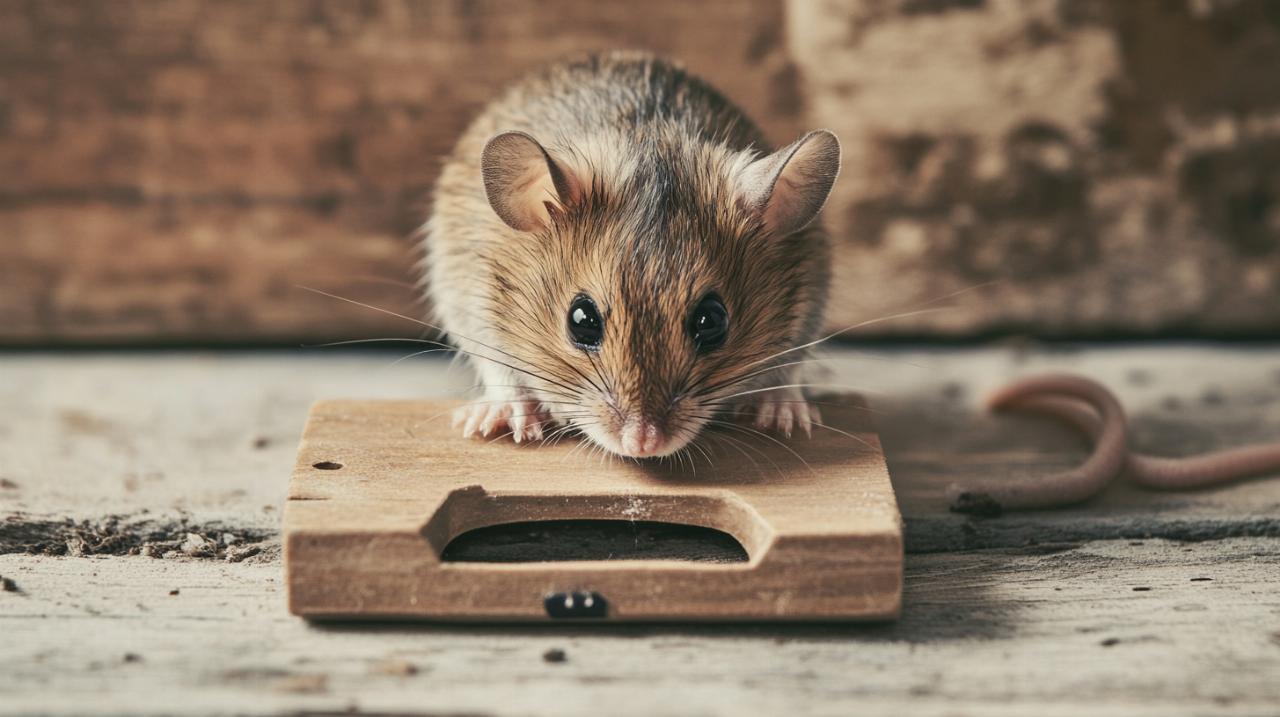
The first step in assessing an infestation is to look for clear indicators of mouse presence. Light activity might be characterised by occasional sightings, a small number of droppings in isolated areas, or the faint sound of scurrying during the night. In such cases, a few strategically placed glue traps or snap traps may suffice to address the problem. Moderate activity, on the other hand, involves more frequent sightings, visible droppings in multiple locations, and evidence of gnawing on food packaging or structural materials. This level of infestation suggests that a larger number of traps will be needed, and it may also indicate the need for preventative measures such as sealing entry points and improving food storage practices. Heavy infestations are more serious and are often marked by constant noise, a strong musky odour, and widespread damage to property. In these situations, relying solely on glue traps is unlikely to be effective, and alternative methods such as electronic traps or professional pest control services should be considered. The RinneTraps Flip N Slide Bucket Lid Mouse Trap, for example, is designed for larger infestations and can capture multiple mice without needing to be reset, although it raises ethical concerns due to the method of disposal. By accurately identifying the level of activity in your home, you can make informed decisions about the best course of action and avoid the pitfalls of under-treating or over-treating the problem.
Calculating the Appropriate Number of Traps Needed Per Room
Once you have determined the severity of the infestation, the next step is to calculate how many traps are required for each room or area of your home. As a general rule, placing traps close together in high-traffic zones increases the likelihood of success. For a single room with light activity, two to four traps positioned along baseboards and in corners should be sufficient. In rooms with moderate activity, you may need to double or even triple this number to ensure comprehensive coverage. It is also important to consider the layout of the room and the presence of potential hiding spots such as behind furniture or appliances, where additional traps may be necessary. For heavy infestations, a more aggressive approach is required, with traps placed in every room where mice have been detected, as well as in adjacent areas to prevent the spread of the problem. Daily checks of the traps are essential to remove caught mice promptly and to reset or replace traps as needed. This regular maintenance not only improves the effectiveness of your pest control efforts but also helps to monitor the progress of the infestation over time. By calculating the appropriate number of traps based on the size and severity of the problem, you can ensure a more efficient and targeted response that addresses the issue at its root.
Quality Indicators and Safety Features in Modern Glue Traps
When selecting glue traps for use in your home, it is important to consider the quality of the product and the safety features it offers. Not all glue traps are created equal, and investing in a higher-quality option can make a significant difference in terms of effectiveness, safety, and overall user experience. Understanding the key indicators of quality and the importance of safety features will help you make a well-informed purchase that meets your needs and protects your household.
Adhesive Strength and Non-Toxic Formulations for Household Use
The adhesive strength of a glue trap is perhaps the most critical factor in determining its effectiveness. A high-quality trap will use a strong, reliable adhesive that can securely hold a mouse once it makes contact. Weaker adhesives may allow mice to escape or only partially capture them, leading to prolonged suffering and a less effective solution. When evaluating glue traps, look for products that are specifically designed for rodent control and that have positive reviews regarding their adhesive performance. In addition to strength, the formulation of the adhesive is also important, particularly in households with children and pets. Non-toxic formulations ensure that even if a child or pet accidentally comes into contact with the trap, there will be no harmful chemical exposure. Many modern glue traps are designed with this safety consideration in mind, using adhesives that are free from harmful substances while still maintaining their effectiveness. It is worth noting that while glue traps can be a convenient option, they are often criticised for being inhumane, as mice can remain stuck for extended periods before dying. For this reason, some homeowners prefer alternatives such as the Tomcat Press 'N Set Mouse Trap or the Victor M393 Power-Kill Mouse Trap, which offer a quicker and more humane solution. However, if glue traps are your preferred choice, selecting a product with strong, non-toxic adhesive is essential for both effectiveness and safety.
Durability and Environmental Resistance for Various Indoor Conditions
The durability of a glue trap is another important consideration, particularly in environments where the trap may be exposed to varying conditions such as humidity, temperature fluctuations, or dust. A well-constructed trap should be able to maintain its adhesive properties over time, even when placed in less-than-ideal locations such as basements, garages, or attics. Traps that are designed with environmental resistance in mind will typically feature a protective coating or packaging that prevents the adhesive from drying out or becoming contaminated with debris. This ensures that the trap remains effective for as long as it is in place, providing better value for money and more reliable results. In addition to physical durability, it is also important to consider the ease of disposal. A high-quality glue trap should be designed in such a way that it can be safely and hygienically disposed of once a mouse has been captured. Some products come with features such as pre-attached disposal bags or covers that minimise contact with the trapped rodent, making the process less unpleasant for the user. When shopping for glue traps, look for reputable brands that are known for their quality and reliability, such as those available from retailers like Amazon, The Home Depot, and Lowe's. Reading customer reviews and product descriptions can provide valuable insights into the performance and durability of different options. By prioritising quality indicators such as adhesive strength, non-toxic formulations, and environmental resistance, you can select a glue trap that not only meets your immediate pest control needs but also offers long-term effectiveness and safety for your household.