
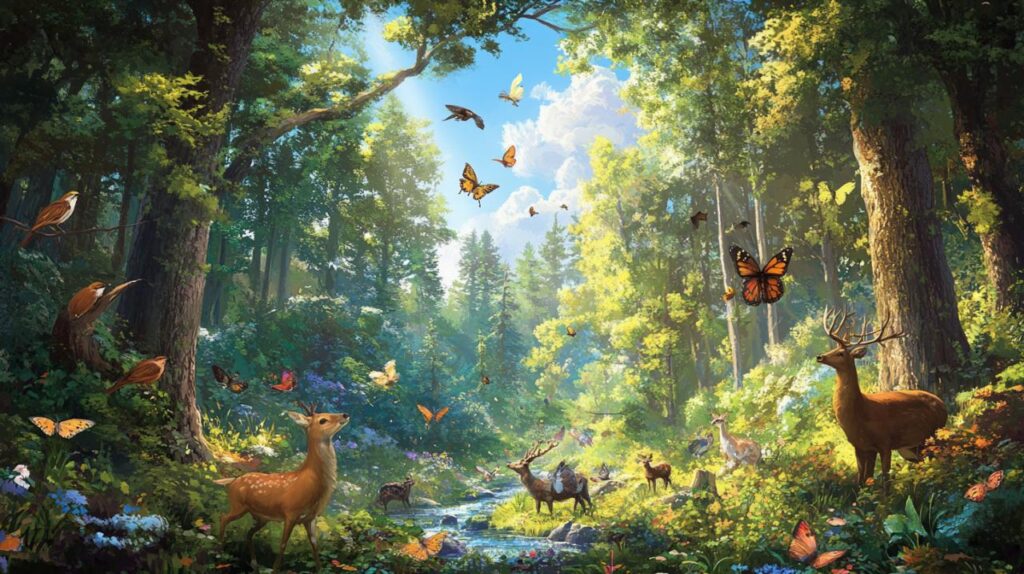
As our planet faces unprecedented environmental challenges, the necessity of safeguarding the natural world has never been more apparent. From the forests that sequester carbon to the oceans that regulate climate, every ecosystem plays a vital role in sustaining life on Earth. The decline of species and the degradation of habitats are not just ecological concerns but existential threats that demand immediate and coordinated action. Understanding how dedicated programmes and collaborative efforts contribute to a thriving planet is essential for building a sustainable future for generations to come.
Preserving biodiversity through conservation programmes
Biodiversity forms the backbone of healthy ecosystems, and its preservation is one of the most urgent tasks facing humanity today. wildlife conservation initiatives have emerged as critical tools in the fight to protect endangered species and restore the delicate balance of nature. These programmes focus on mitigating the impacts of climate change, habitat destruction, and human-wildlife conflict, all of which have accelerated the rate at which species are disappearing. Research indicates that wildlife is being lost up to ten thousand times faster than the natural extinction rate, a stark reminder of the scale of the crisis. Vertebrate species populations have declined by over half since the early nineteen seventies, underscoring the need for immediate intervention.
Conservation efforts are not simply about saving individual species; they are about maintaining the intricate web of life that supports all living organisms. Healthy ecosystems provide essential resources such as clean air, water, and carbon sequestration, which are indispensable for human survival. Forests, for instance, sequester approximately one quarter of human carbon emissions annually, acting as vital buffers against climate change. Wild animals, from elephants to whales, play crucial roles in maintaining ecosystem health and enhancing climate resilience. By protecting these species and their habitats, conservation programmes contribute to the stability of the natural systems upon which we all depend.
The Role of Protected Habitats in Species Survival
Protected habitats serve as sanctuaries for wildlife, offering safe environments where species can thrive without the constant threat of human encroachment. National parks and other designated conservation areas have proven to be effective in safeguarding biodiversity and providing refuges for endangered species. These protected spaces are carefully managed to ensure that ecosystems remain intact and that species have access to the resources they need for survival. Legislation such as the Endangered Species Act of nineteen seventy-three has been instrumental in promoting species protection and establishing legal frameworks for habitat preservation.
The establishment of protected habitats is not without its challenges. As the human population surpassed eight billion in November twenty twenty-two, the pressure on natural resources has intensified, leading to rapid habitat destruction and increased human-wildlife conflict. Development projects often encroach on the territories of vulnerable species, endangering their existence. However, the success of protected areas demonstrates that with proper management and enforcement, it is possible to reverse some of the damage and give species a fighting chance. Conservation organisations work tirelessly to establish and protect public lands, ensuring that these areas remain safe havens for wildlife.
How conservation schemes support ecosystem balance
Conservation schemes are designed to address the root causes of ecosystem degradation and to promote sustainable practices that benefit both wildlife and human communities. These initiatives tackle a range of threats, including invasive species, pollution, hunting, and poaching, all of which disrupt the natural balance of ecosystems. By restoring habitats and reintroducing native species, conservation programmes help to rebuild ecosystems that have been damaged by human activity. Habitat restoration projects, for example, focus on replanting native vegetation, removing invasive species, and creating corridors that allow wildlife to move freely between fragmented habitats.
One of the key goals of wildlife conservation is to mitigate the impacts of climate change by preserving and enhancing the natural carbon sinks provided by forests and oceans. Reducing ship speeds has been identified as a measure that can significantly lower the risk of whale strikes and underwater noise pollution, demonstrating how targeted interventions can have far-reaching benefits for marine conservation. Similarly, efforts to protect large mammals such as elephants and whales contribute to climate resilience, as these animals play important roles in nutrient cycling and maintaining the health of their respective ecosystems. By supporting ecosystem balance, conservation schemes ensure that natural processes continue to function effectively, providing services that are essential for both biodiversity and human well-being.
Community Engagement and Economic Benefits of Wildlife Protection
The success of wildlife conservation depends not only on scientific research and policy interventions but also on the active participation of local communities. Conservation projects that engage communities in their design and implementation tend to be more effective and sustainable in the long term. By empowering local populations to take ownership of conservation efforts, these projects create a sense of responsibility and stewardship that extends beyond the duration of any single initiative. Community engagement also ensures that conservation strategies are tailored to the specific needs and circumstances of the people who live closest to protected areas, making them more likely to succeed.
Empowering local communities through conservation projects
Conservation projects that involve local communities offer multiple benefits, from improving livelihoods to strengthening social cohesion. These initiatives often provide training and employment opportunities, enabling community members to develop skills that are valuable both within and outside the conservation sector. In Kenya, for instance, over one hundred and seventy rhino monitors were trained in twenty twenty-five on monitoring and reporting techniques, equipping them with the knowledge needed to protect one of the most endangered species on the continent. Such training programmes not only contribute to species protection but also enhance the capacity of local communities to manage natural resources sustainably.
Moreover, conservation efforts align with several of the United Nations Sustainable Development Goals, particularly those related to livelihoods, food security, and community strength. By integrating conservation with development objectives, these projects create win-win scenarios where both people and wildlife benefit. In Tanzania, a project promoting conservation through ambassador species such as the Colobus monkey and impala has successfully raised awareness about the importance of protecting local biodiversity. These initiatives demonstrate that when communities are given the tools and support they need, they become powerful advocates for wildlife protection and environmental stewardship.
Sustainable Tourism and Its Contribution to Wildlife Preservation
Sustainable tourism has emerged as a powerful economic driver that supports wildlife conservation while providing financial benefits to local communities. Wildlife tourism generates revenue that can be reinvested into conservation programmes, creating a positive feedback loop that sustains both ecosystems and economies. National parks and protected areas attract millions of visitors each year, eager to experience the beauty and diversity of the natural world. This influx of tourists provides employment opportunities for local residents, from tour guides to hospitality workers, and stimulates economic growth in rural areas that might otherwise struggle to attract investment.
The economic benefits of wildlife tourism extend beyond direct employment and revenue generation. By creating financial incentives for conservation, tourism helps to shift the economic calculus away from activities that degrade the environment, such as poaching and habitat destruction. Communities that benefit from tourism are more likely to support conservation efforts, as they have a tangible stake in the preservation of wildlife and natural habitats. Global conservation efforts have already demonstrated success, with wild tiger numbers rising to an estimated three thousand nine hundred, up from as few as three thousand two hundred in twenty ten. Such achievements highlight the potential of tourism and other conservation-related industries to contribute to the recovery of endangered species.
However, sustainable tourism must be carefully managed to ensure that it does not become a threat to the very ecosystems it seeks to protect. Over-tourism and poorly planned development can lead to habitat degradation, pollution, and increased human-wildlife conflict. Conservation organisations work to develop tourism strategies that balance economic benefits with environmental protection, ensuring that visitor numbers remain within sustainable limits and that tourism infrastructure is designed to minimise its ecological footprint. By promoting responsible tourism practices, these organisations help to ensure that the economic benefits of wildlife tourism continue to support conservation efforts for years to come.
The moral responsibility to protect all species, regardless of their utility to humans, underpins much of the work carried out by conservation organisations such as the World Wildlife Fund and Conservation International. These groups recognise that every species has intrinsic value and plays a unique role in the web of life. Their efforts to establish protected areas, promote legislation, and raise awareness have been instrumental in slowing extinction rates and preserving global biodiversity. Environmental filmmakers and explorers also play a crucial role in conservation by raising awareness about endangered wildlife and inspiring people around the world to take action.
In conclusion, the importance of wildlife conservation cannot be overstated. As human populations grow and the pressures on natural resources intensify, the need for effective conservation strategies becomes ever more urgent. By preserving biodiversity, restoring habitats, and engaging communities, conservation programmes lay the foundation for a sustainable future. The economic benefits of wildlife protection, particularly through sustainable tourism, demonstrate that conservation and development can go hand in hand. Ultimately, the success of these efforts depends on our collective willingness to prioritise the health of our planet and to recognise that the fate of wildlife and humanity are inextricably linked.