
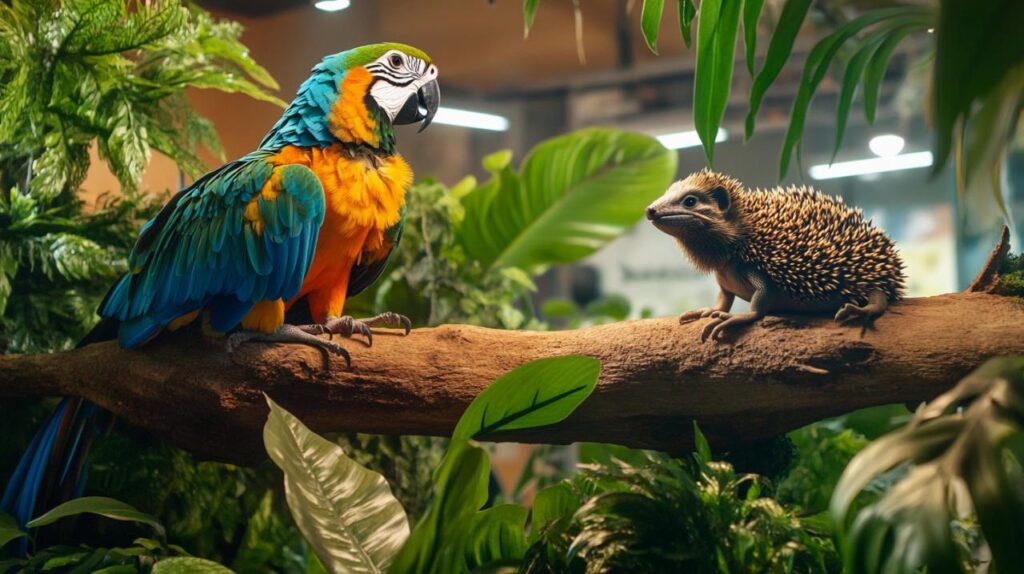
Bringing home an exotic pet is an exciting milestone that brings with it unique challenges distinct from traditional pet ownership. Whether you are considering a scaly companion like a leopard gecko or a feathered friend such as a budgerigar, the world of exotic pet care requires careful preparation and dedication. Understanding the complexities of their requirements ensures not just survival but a thriving, content existence for these remarkable creatures.
Understanding your exotic pet's unique requirements
Every exotic species has evolved to adapt to specific habitats and behavioural patterns. Recognising these distinctive characteristics is the cornerstone of responsible ownership. Reptiles like the corn snake and bearded dragon have vastly different needs compared to mammals such as the African pygmy hedgehog or chinchilla. Before committing to adoption, researching the particular species you are drawn to is non-negotiable. The natural environment from which your pet originates dictates everything from diet and temperature to social interaction and mental stimulation. Recognising these exotic animal care tips early on helps prevent many common health issues later.
Species-specific behavioural and physical needs
The blue-tongued skink, for example, requires a warm basking area alongside cooler zones to regulate its body temperature effectively. In contrast, an axolotl thrives in aquatic conditions with cool water and minimal lighting to avoid stress. The leopard gecko is renowned as an ideal choice for first-time exotic pet owners due to its docile temperament and straightforward habitat requirements. Crested geckos are similarly manageable, preferring vertical enclosures that mimic their arboreal lifestyle. Meanwhile, ball pythons demonstrate calm behaviour but demand precise humidity levels to facilitate healthy shedding. Understanding these nuances ensures your pet's physical and psychological well-being.
Legal considerations and licensing requirements
In the United Kingdom, the legal landscape surrounding exotic pet ownership is designed to safeguard both animal welfare and public safety. While species such as corn snakes, bearded dragons, and budgerigars are legal without requiring special licences, it remains essential to stay informed about current UK pet legislation. Certain animals are restricted or entirely prohibited due to potential risks or conservation concerns. Chameleons and large monitor lizards, for instance, often prove unsuitable for novice keepers due to their demanding care and temperamental nature. Consulting with rescue centres or specialist organisations can clarify legal responsibilities and help identify species to avoid as a beginner.
Creating the Perfect Habitat and Environmental Conditions
Replicating the natural environment of exotic pets within your home is fundamental to their health. Over thirteen thousand species of reptiles and amphibians are kept globally, each with precise habitat requirements. The enclosure serves as their entire world, and getting it right from the outset prevents stress and illness. Environmental control is not merely about aesthetics but about creating the correct biological conditions that allow your pet to exhibit natural behaviours and maintain optimal physiological function.
Temperature, humidity and lighting control
Reptiles are ectothermic, meaning they rely on external heat sources to regulate body temperature. Providing a thermal gradient within the enclosure allows your pet to move between warmer and cooler zones as needed. For species such as the bearded dragon, a basking spot reaching around thirty-eight degrees Celsius is necessary, while ambient temperatures should remain slightly lower. Humidity levels vary dramatically between species. Crested geckos require moderate to high humidity, often achieved through regular misting, whereas leopard geckos thrive in drier conditions. Lighting requirements also differ, with some reptiles needing ultraviolet B light to synthesise vitamin D3 for calcium absorption. Failure to meet these needs can lead to metabolic bone disease and other serious health complications.
Enclosure size and substrate selection
Size matters significantly when selecting an enclosure. A cramped habitat restricts movement and can lead to stress-related behaviours. Ball pythons, despite their modest size, benefit from enclosures that allow them to stretch fully. Vertical space is particularly important for arboreal species like the crested gecko. Substrate selection also plays a crucial role in maintaining hygiene and mimicking natural conditions. Corn snakes often do well with aspen shavings, while blue-tongued skinks may prefer a mix of soil and sand. Avoid substrates that pose ingestion risks or harbour harmful bacteria. Regular cleaning and spot-checks help maintain a sanitary environment conducive to your pet's health.
Establishing a veterinary care routine
Preventative health management is essential for exotic pets, yet finding qualified care can be challenging. Unlike cats and dogs, exotic species often exhibit subtle signs of illness, making early detection difficult. Routine veterinary check-ups enable early identification of potential problems and ensure your pet remains in optimal condition throughout its lifespan.
Finding a specialist exotic animal veterinarian
Not all veterinary practices have the expertise required to treat exotic species. Locating a vet experienced in exotic animal care is a critical step before bringing your pet home. Facilities such as Wareham Animal Hospital and clinics in areas like Newmarket offer specialised care tailored to the unique needs of reptiles, amphibians, birds, and small mammals. When selecting a veterinary practice, enquire about their experience with your specific species and the range of services they provide. Many practices now offer online booking for appointments, with extended opening hours to accommodate busy schedules. Emergency care is equally important, so ensure you have access to out-of-hours assistance should an urgent situation arise.
Recommended health screening schedule
Annual check-ups are generally recommended for most exotic pets, although more frequent visits may be necessary for older animals or those with pre-existing conditions. During these appointments, the vet will assess weight, examine for signs of parasites, and evaluate overall physical condition. Vaccinations, while not always applicable to reptiles, are crucial for certain species like rabbits and ferrets. Dental care is another aspect that requires attention, particularly for small mammals such as chinchillas, whose teeth grow continuously. Weight management is vital, as obesity can lead to a host of health issues. Maintaining an emergency vet fund of two hundred to five hundred pounds provides financial security should unexpected medical expenses occur.
Nutritional guidelines for exotic species
Providing a balanced diet tailored to your pet's species is one of the most impactful ways to promote longevity and vitality. The dietary needs of exotic pets vary dramatically, with some requiring live prey, others fresh vegetation, and many needing a combination of both. Misunderstanding these requirements is one of the most common feeding mistakes made by new owners.
Balanced diet requirements and supplements
Leopard geckos, for instance, thrive on a diet of live insects such as crickets and mealworms, dusted with calcium and vitamin D3 supplements to prevent metabolic bone disease. Bearded dragons require a mix of insects and fresh vegetables, with the ratio shifting towards more greens as they mature. Axolotls are carnivorous and benefit from a diet of bloodworms, brine shrimp, and specially formulated pellets. Meanwhile, budgerigars need a varied diet of seeds, fresh fruits, and vegetables to maintain vibrant plumage and overall health. It is essential to research nutrition plans specific to your chosen species and consult with a specialist vet to fine-tune dietary practices. Fresh, clean water should always be available, and food should be appropriately sized to prevent choking hazards.
Common feeding mistakes to avoid
Overfeeding is a prevalent issue, particularly with species that do not self-regulate food intake. Obesity in reptiles can lead to liver disease and reduced lifespan. Conversely, underfeeding or providing an imbalanced diet results in malnutrition and stunted growth. Avoid feeding wild-caught insects, as they may carry pesticides or parasites. Similarly, certain foods are toxic to specific species; avocado, for example, is harmful to many birds. Establishing a consistent feeding schedule and monitoring your pet's body condition helps maintain optimal health. Supplements should be used judiciously, as excessive supplementation can be as detrimental as deficiency.
Enrichment and social interaction strategies
Beyond meeting basic physical needs, mental stimulation and social interaction are vital for the well-being of exotic pets. Enrichment activities prevent boredom, reduce stress, and encourage natural behaviours that contribute to a fulfilling life.
Mental stimulation through environmental enrichment
Environmental enrichment involves introducing elements into the enclosure that stimulate curiosity and activity. For reptiles, this might include climbing branches, hiding spots, and varied terrain that encourages exploration. Corn snakes enjoy burrowing opportunities, while crested geckos benefit from vertical structures that allow climbing. Aquatic species like the axolotl appreciate changes in substrate and the addition of safe decorations. Rotating these elements periodically maintains novelty and engagement. For small mammals and birds, puzzle feeders and foraging opportunities mimic natural food-seeking behaviours and provide cognitive challenges.
Handling techniques and bonding activities
Handling exotic pets requires patience and respect for their temperament. Leopard geckos are known for being fast to tame and very docile, making them suitable for regular, gentle handling. Ball pythons also tolerate interaction well once acclimated. However, some species, such as chameleons, are highly sensitive to stress and handling should be minimised. When interacting with your pet, ensure your hands are clean and free of strong scents that might cause distress. Gradual, positive interactions help build trust and reduce fear. For social species like budgerigars, regular interaction is essential to prevent loneliness and behavioural issues. Understanding your pet's body language allows you to gauge comfort levels and adjust your approach accordingly.
Embarking on the journey of exotic pet ownership is both rewarding and demanding. The first year often involves setup costs ranging from four hundred to over one thousand three hundred pounds, with ongoing annual expenses between two hundred and fifty and seven hundred and fifty pounds. Monthly costs for species like the leopard gecko may be as low as ten to twenty pounds, while more demanding animals require higher investment. Lifespan considerations are equally important; corn snakes can live fifteen to twenty-five years, while leopard geckos may reach twenty years with proper care. Preparing adequately before adoption, understanding the cost of living implications, and committing to continuous education are fundamental to success. Engaging with rescue centres, supporting animal welfare initiatives through donations, sponsorship, and gift aid, and remaining vigilant about legal requirements all contribute to responsible pet ownership. By prioritising habitat requirements, specialised veterinary care, nutritional needs, and enrichment activities, first-time owners can provide a nurturing environment where exotic pets not only survive but truly flourish.