
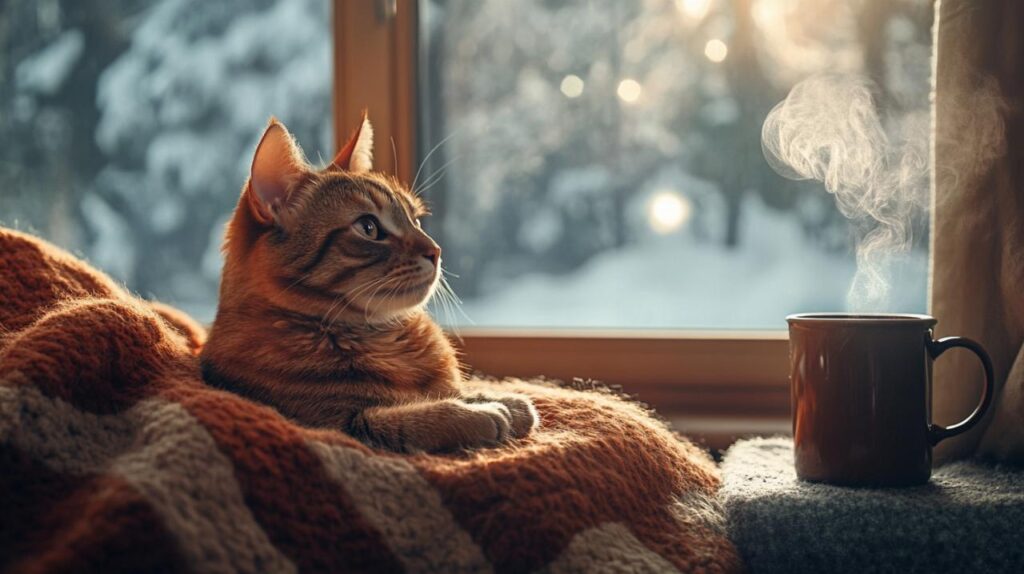
As the British winter settles in with its characteristic drizzle and biting winds, many cat owners find themselves pondering whether their beloved moggies are truly comfortable when the mercury drops. After all, these independent creatures descended from felines who prowled the warm climates of ancient lands, and their modern counterparts retain a distinct preference for cosy spots near radiators and snug corners. Understanding how our cats experience the cold and what we can do to ensure their wellbeing during the chillier months is essential for responsible pet ownership, particularly as temperatures across the United Kingdom dip to levels that can pose genuine risks to feline health.
Do cats actually feel the cold? understanding your moggy's temperature needs
Cats do indeed feel the cold, despite their luxurious fur coats and apparent aloofness to the elements. While they possess a degree of natural insulation, their ancestral roots in warmer regions mean they are not entirely equipped to handle the harsh British winter without some assistance. The ideal temperature range for cats sits comfortably between ten and twenty-five degrees Celsius, a threshold that our homes typically meet during the warmer months but which outdoor conditions frequently fall below as autumn gives way to winter. When temperatures plummet beneath the ten-degree mark, cats become vulnerable to a host of health concerns including hypothermia, frostbite, and respiratory issues. Veterinary professionals generally advise that once the thermometer reads below seven to eight degrees Celsius, it is prudent to keep cats indoors overnight to safeguard them from the potential dangers lurking in the frosty night air.
Certain cats are more susceptible to the cold than others. Elderly moggies, whose bodies no longer regulate temperature as efficiently, face heightened risks, as do very young kittens who have yet to develop robust heat regulation mechanisms. Similarly, cats with sparse or no fur, such as hairless breeds, feel the effects of cold weather far more acutely than their thickly coated counterparts. Flat-faced cats also warrant extra attention, as their unique anatomy makes them more prone to breathing difficulties that can worsen in chilly conditions. Additionally, cats suffering from arthritis may find their joint pains exacerbated by the cold, making movement more uncomfortable and prompting them to seek warmer environments with greater urgency.
How cats regulate their body temperature throughout the year
Cats possess several natural strategies for maintaining their body heat, yet these mechanisms have their limits. During the colder months, many cats instinctively sleep more, a behaviour driven partly by the need to conserve energy and partly by the shorter daylight hours that characterise winter. This extended rest allows them to minimise heat loss and preserve the calories they need to fuel their internal furnace. Interestingly, cats may increase their food intake by up to fifteen percent during winter, a physiological response designed to generate additional warmth through digestion and metabolism. Their activity patterns also shift, with many cats becoming most active during dusk and dawn when the temperature is slightly more moderate and their excellent low-light vision provides them with a tactical advantage.
Despite these adaptations, cats cannot entirely shield themselves from extreme cold. Their fur provides a degree of insulation, but it is not impervious to prolonged exposure to low temperatures or wet weather, both of which can rapidly sap body heat. When a cat's internal temperature drops too low, the risk of hypothermia becomes very real, manifesting in symptoms such as shivering, lethargy, pale gums, and cold extremities. Frostbite is another serious concern, particularly affecting the ears, paws, and tail, where reduced blood flow leaves tissue vulnerable to freezing. Early signs of frostbite include pale or discoloured skin, pain, and the eventual development of blisters or blackened tissue if left untreated.
Signs Your Cat is Feeling a Bit Parky: What to Look Out For
Recognising when your cat is uncomfortably cold is crucial for timely intervention. One of the most obvious indicators is a change in behaviour, with cats actively seeking out warm spots such as sunny windowsills, radiators, or even your lap more frequently than usual. Increased cuddling and a reluctance to venture outdoors are also telltale signs that your moggy is feeling the chill. Physical symptoms can include shivering or trembling, a tucked body position where the cat curls tightly into itself to minimise heat loss, and noticeably cold ears, paws, or nose. Some cats may also exhibit reduced activity levels, spending more time sleeping or hiding in quiet, sheltered spots.
Changes in vocalisation can also signal discomfort, with some cats mewing more frequently as if to communicate their distress. Conversely, other cats may become unusually quiet and withdrawn, retreating to hidden corners where they feel more secure. If you observe your cat persistently hiding, refusing to eat, or displaying signs of lethargy accompanied by physical symptoms such as pale gums or cold extremities, it is essential to act swiftly. Hypothermia can escalate quickly, and immediate veterinary care is necessary to prevent serious complications. Additionally, if your cat has been outdoors and returns with wet fur or visible ice on their coat, gently dry them with a towel and provide a warm, draft-free environment to help them recover.
Brilliant indoor solutions: creating snug spots for your feline friend
Ensuring your cat has access to warm, comfortable indoor spaces is the cornerstone of winter care. Cats naturally gravitate towards cosy nooks, and providing them with dedicated warm spots can make all the difference to their comfort and health. Positioning their bed near a radiator, though not directly against it, allows them to benefit from the ambient warmth without the risk of overheating or burns. Igloo-style beds, which offer enclosed spaces with minimal openings, are particularly effective at trapping heat and creating a snug retreat. Radiator beds, which attach directly to heating units, are another popular choice among cat owners seeking to maximise warmth.
Beyond purpose-built beds, simple household items can be repurposed to enhance your cat's winter comfort. Soft blankets and cushions placed in draft-free corners provide additional insulation, and cats often appreciate having multiple options so they can choose their preferred spot depending on the time of day and temperature. Screening off open fires is essential for safety, preventing curious cats from getting too close to flames or hot surfaces. Additionally, ensuring that litter trays, food, and water are easily accessible reduces the need for your cat to venture into colder areas of the home, which is particularly important for elderly cats or those with arthritis who may find movement more challenging.
Best Heated Cat Beds and Blankets Available in the UK
The UK market offers a wide range of heated cat beds and blankets designed to provide supplementary warmth during the coldest months. Electric heated beds, which feature low-voltage heating elements encased in chew-resistant materials, are a popular choice for indoor use. These beds typically come with thermostatic controls to maintain a consistent, safe temperature, ensuring your cat stays warm without overheating. Self-heating blankets, which reflect your cat's own body heat back towards them, offer a simpler, non-electric alternative that requires no power source and can be easily placed in any existing bed or favourite resting spot.
When selecting a heated bed, consider your cat's individual preferences and any specific health needs. Cats with arthritis, for instance, benefit greatly from beds with memory foam padding that provides joint support alongside warmth. Washable covers are also a practical feature, allowing for easy maintenance and hygiene. It is worth noting that while heated beds can be a boon during winter, they should always be used according to the manufacturer's instructions to prevent electrical hazards. Always ensure cords are safely routed and inaccessible to curious paws and teeth, and never leave heated beds unattended for extended periods.
Diy winter shelter ideas using items you've already got at home
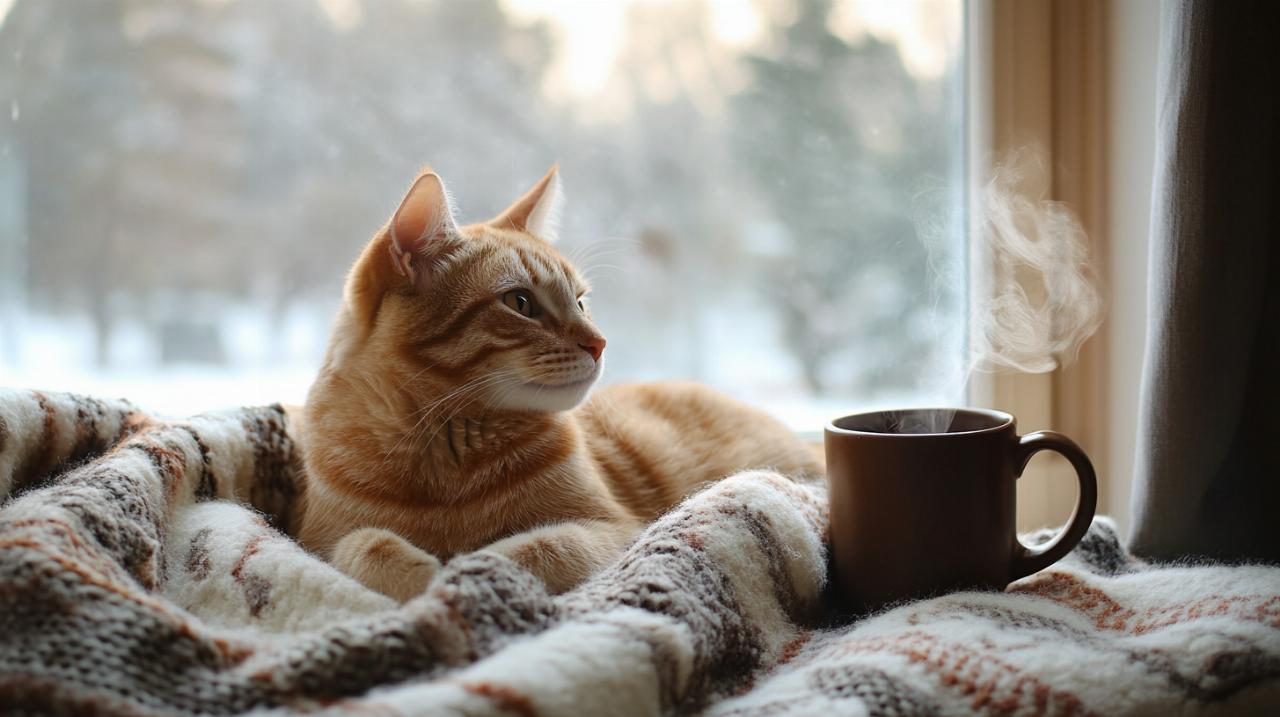
Not all winter warmth solutions need to come from a shop. Many effective and budget-friendly options can be created using items you already have at home. A simple cardboard box lined with old towels or blankets makes an excellent insulated hideaway, particularly if placed in a quiet, draft-free corner. To enhance insulation, you can layer newspaper or bubble wrap between the cardboard and the blanket, creating an air pocket that traps warmth. Cutting a small entrance and ensuring the box is elevated slightly off the floor, perhaps on a wooden pallet or folded towels, prevents cold air from seeping in from below.
Another creative solution involves repurposing an old fleece or woollen jumper by stuffing it with soft fabric scraps or shredded paper to create a plush, insulated bed. This not only provides warmth but also gives your cat a familiar scent, which can be comforting during stressful weather. For outdoor shelters, a plastic storage box with a small entrance hole cut into one side, lined with straw or old blankets, offers a waterproof and windproof refuge. Straw is particularly effective as an insulating material because it does not retain moisture like blankets might, reducing the risk of damp and cold. Placing the shelter in a sheltered spot, such as under a porch or against a wall, provides additional protection from the elements.
Protecting outdoor and stray cats during harsh british weather
While many cats enjoy the freedom of the outdoors, the winter months present significant challenges for those without regular access to warmth and shelter. Outdoor cats, whether pets allowed to roam or strays and ferals, require additional support to survive the harsh conditions. Providing a waterproof outdoor shelter with easy access is one of the most impactful ways to help. The shelter should be insulated, elevated off the ground to prevent cold and damp from seeping in, and positioned in a location that offers protection from wind and rain. Ensuring that unfrozen water is available at all times is equally important, as dehydration can be as dangerous as hypothermia.
Community efforts play a vital role in supporting neighbourhood moggies during winter. Regularly checking sheds, garages, and other outbuildings before closing them up for the night can prevent cats from being accidentally trapped in cold, confined spaces. Microchipping cats and keeping contact details updated ensures that lost or injured animals can be quickly reunited with their owners, a particularly important consideration during the darker winter months when visibility is reduced and cats are more prone to accidents. If you encounter a sick or injured cat out in the cold, reporting your concern to the RSPCA ensures that professional help can be mobilised swiftly.
Weatherproof outdoor cat houses: what makes a proper shelter
A proper outdoor cat house must meet several key criteria to provide effective protection against the elements. First and foremost, it should be weatherproof, constructed from materials that resist rain, snow, and wind. Plastic storage containers, wooden boxes with waterproof roofing, or purpose-built outdoor cat shelters available from pet retailers all serve this purpose well. The shelter should be just large enough for a cat to turn around comfortably, as a smaller space retains heat more efficiently than a larger one. However, it should not be so cramped that the cat feels trapped or unable to move freely.
Insulation is critical, and this can be achieved through various means. Straw is a popular choice because it provides excellent insulation while remaining dry and resistant to mould. Blankets and towels can also be used, though they should be checked regularly for dampness and replaced as needed. Elevating the shelter off the ground using bricks, pallets, or wooden blocks prevents cold and moisture from the ground from penetrating the structure. The entrance should be small enough to reduce drafts but large enough for a cat to enter and exit easily, and it should ideally face away from prevailing winds. Adding a flap or door over the entrance can further reduce heat loss and protect against rain and snow.
Community efforts: how to neighbourhood moggies stay warm this winter
Communities across the United Kingdom have long recognised the importance of collective action in caring for stray and feral cats during winter. Local cat charities, such as Cats Protection, offer resources and guidance for individuals wishing to set up feeding stations or provide shelters in their neighbourhoods. Volunteering time or donating supplies such as food, blankets, and insulated shelters can make a significant difference to the wellbeing of outdoor cats. Some communities organise neighbourhood watch schemes where residents commit to checking known cat hangouts and reporting any animals in distress.
Simple actions, such as knocking on car bonnets before starting the engine, can prevent tragic accidents, as cats often seek warmth by crawling into engine compartments overnight. Keeping festive decorations out of reach and ensuring that antifreeze, which is highly poisonous to cats, is stored securely and spills are cleaned up immediately are other small but vital precautions. Antifreeze containing ethylene glycol is particularly dangerous, and opting for alternatives without this ingredient can reduce the risk of poisoning. Regularly checking that outdoor cats have access to unfrozen water and adjusting feeding amounts to account for increased caloric needs during cold weather are additional steps that demonstrate compassion and responsibility. If you encounter a newborn kitten or very young kitten outdoors, it is essential to bring them indoors and provide immediate warmth, as they are unable to regulate their own temperature effectively and are at extreme risk of hypothermia.
For those interested in contributing more formally, many organisations offer opportunities to sponsor cats, volunteer at shelters, or make financial donations that support winter welfare programmes. These efforts ensure that even the most vulnerable moggies have access to the care and protection they need to survive the coldest months of the year. By working together, communities can create a network of support that extends warmth and kindness to all feline residents, ensuring that no cat is left out in the cold.