
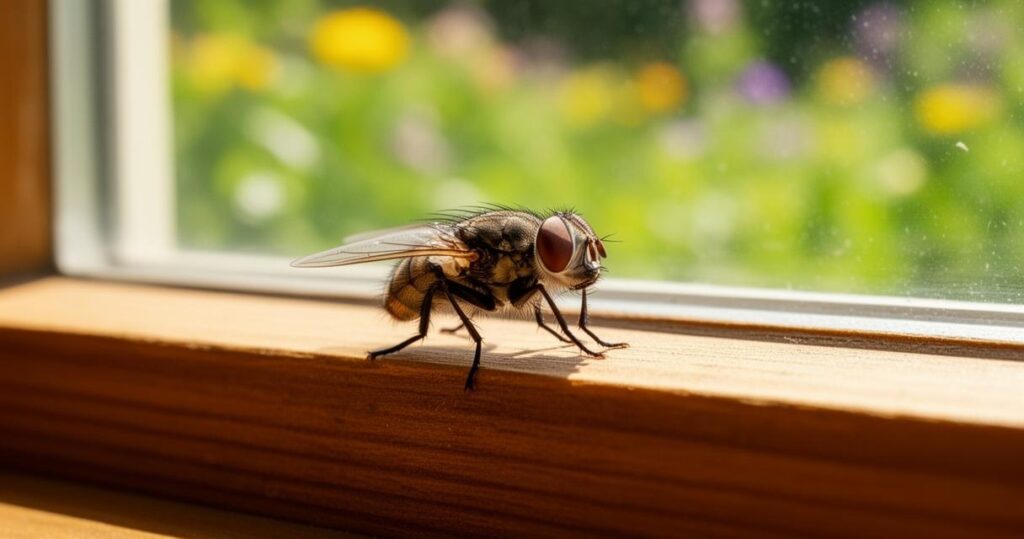
Large black flies buzzing around your home can quickly become more than just a nuisance. These persistent pests often find their way into British households, particularly during warmer months, and can prove remarkably difficult to eliminate without the right approach. Understanding how to tackle these unwelcome visitors using chemical repellents, combined with strategic prevention measures, can restore peace and hygiene to your living spaces.
Understanding large black flies and why they invade your home
Large black flies are drawn to British homes for several compelling reasons, with their survival instincts leading them directly to environments that promise food, warmth, and breeding opportunities. These insects operate on fundamental biological imperatives that make certain areas of your property particularly attractive. Recognising what draws them indoors represents the first crucial step in developing an effective control strategy that addresses the root causes rather than merely treating symptoms.
The Lifecycle and Behaviour of Large Black Flies in British Households
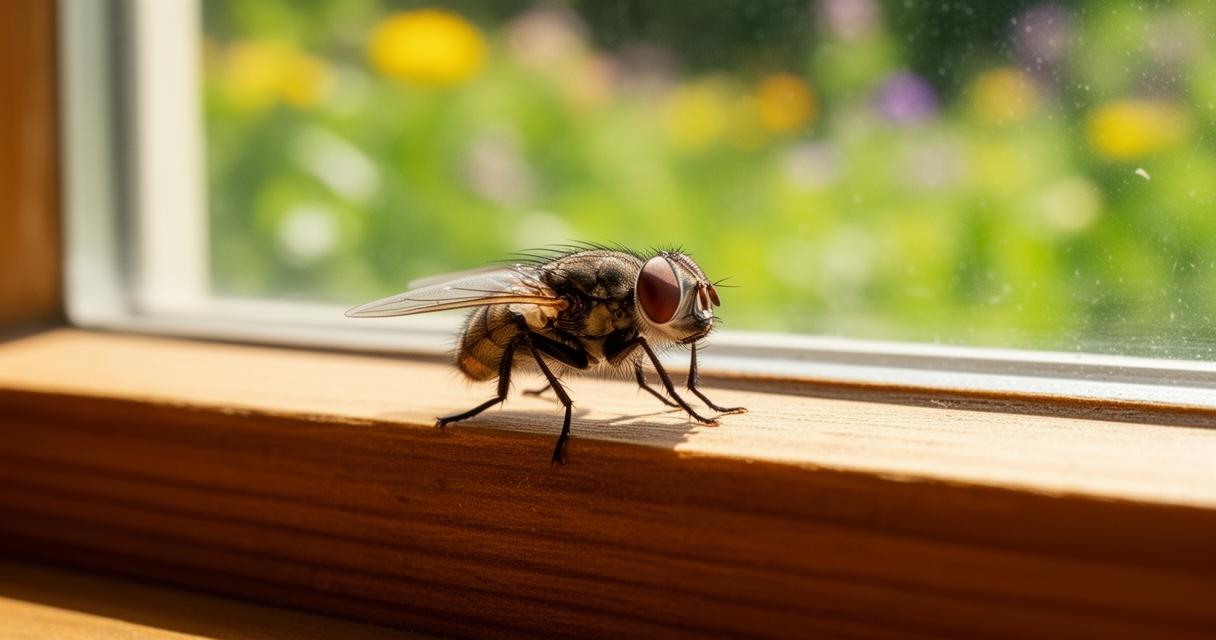
The lifecycle of large black flies follows a predictable pattern that homeowners can exploit when planning their pest control approach. Adult flies typically enter homes seeking warmth and sustenance, with their presence becoming especially noticeable when they gather near windows or light sources. These creatures are remarkably sensitive to environmental cues such as heat and illumination, which explains why they congregate in certain rooms more than others. Once inside, female flies search for suitable locations to lay their eggs, favouring organic matter where larvae can develop. The transformation from egg to adult occurs rapidly under favourable conditions, meaning a small problem can escalate into a significant infestation within days if left unchecked. Their behaviour patterns show distinct preferences for certain times of day, with increased activity during morning and late afternoon hours when natural light levels change. Understanding these rhythms helps homeowners time their intervention methods for maximum effectiveness, particularly when applying chemical solutions designed to disrupt their lifecycle at vulnerable stages.
Common Attractants: What Draws These Pests to Your Kitchen and Attic
Kitchens and attics represent prime territory for large black flies due to the specific conditions these spaces provide. In kitchens, the combination of food preparation residues, organic waste, and moisture creates an irresistible environment. Flies possess an extraordinary ability to detect rotting food from considerable distances, with their sensory organs honed over millennia to locate decaying organic matter. Even small amounts of spilled liquids, forgotten fruit in bowls, or inadequately sealed waste bins can serve as powerful attractants. The warmth generated by cooking appliances further enhances the appeal, creating temperature gradients that guide flies toward these areas. Attics, meanwhile, offer different attractions including undisturbed spaces where flies can breed without interference, potential entry points through gaps in roofing or ventilation systems, and sometimes unexpected food sources such as dead rodents or bird nests. Old insulation materials can harbour organic debris that supports larval development, whilst the relative seclusion means infestations can establish themselves before being noticed. Meat products left exposed or improperly stored prove particularly problematic, as their decomposition releases compounds that flies find impossible to resist. Similarly, overripe or fermenting fruit generates aromatic signals that broadcast an invitation across surprisingly large areas, drawing flies from outdoors into your living spaces where they then establish residence.
Effective Chemical Repellents and Treatment Methods for Fly Control
Chemical repellents and treatments offer powerful solutions when dealing with established fly populations, providing rapid results that complement longer-term prevention strategies. The British market offers numerous products specifically formulated for indoor use, each designed to address different aspects of fly control whilst maintaining safety standards appropriate for domestic environments. Selecting and applying these solutions correctly makes the difference between temporary relief and lasting control.
Choosing the Right Insecticidal Sprays and Repellents for Indoor Use
The selection of appropriate chemical products requires careful consideration of several factors including the severity of your infestation, the specific areas requiring treatment, and the presence of children or pets in your household. Modern insecticidal sprays formulated for UK homes typically contain active ingredients such as pyrethroids, which effectively target flying insects whilst breaking down relatively quickly to minimise residual exposure. These products come in various formulations including aerosol sprays for immediate knockdown effect, residual treatments that provide longer-lasting protection on surfaces, and automatic dispensers that release measured doses at programmed intervals. When choosing between options, consider whether you need contact killers that eliminate flies on impact or residual products that continue working after application. Some formulations combine both approaches, offering immediate results whilst establishing a protective barrier. For households concerned about chemical exposure, lower-toxicity options utilising natural pyrethrin derived from chrysanthemum flowers provide effective alternatives, though they may require more frequent application. Space sprays work well for treating entire rooms, dispersing fine particles that reach flies in flight and settle on surfaces where crawling insects contact them. Meanwhile, surface treatments applied to areas where flies rest, such as window frames and light fittings, create zones that eliminate pests through contact rather than requiring direct spraying.
Application Techniques: How to Safely Use Chemical Solutions in Your Home
Proper application of chemical repellents maximises their effectiveness whilst ensuring household safety, requiring adherence to specific techniques and precautions. Before treating any area, remove or cover food items, utensils, and pet feeding bowls to prevent contamination. Ensure adequate ventilation by opening windows, though you may need to close them after treatment to contain the product within the target area. When using aerosol sprays, hold the canister at the recommended distance from surfaces, typically around thirty centimetres, and apply with steady, sweeping motions rather than concentrating on single spots. For treating rooms comprehensively, start from the furthest corner and work backward toward the exit, treating walls, ceilings, and areas around windows and doors where flies congregate. After application, leave the room for the duration specified on the product label, allowing the treatment to work without human presence. Upon returning, ventilate thoroughly before resuming normal activities. Residual surface treatments require different approaches, with application focused on non-porous surfaces where flies land. Use measured amounts rather than excessive application, as more product does not necessarily improve results and may create unnecessary exposure risks. When treating multiple rooms, complete each space entirely before moving to the next, maintaining systematic coverage that prevents flies from simply relocating to untreated areas. Always store chemical products in their original containers, away from food storage areas and out of reach of children, and dispose of empty containers according to local regulations. Wearing disposable gloves during application protects your skin, whilst avoiding spraying near open flames or electrical equipment prevents potential hazards. For particularly stubborn infestations, consider rotating between different product types to prevent flies developing resistance, though always allow appropriate intervals between treatments as specified by manufacturers.
Prevention Strategies: Stopping Flies from Returning to Your Property
Whilst chemical treatments address existing fly problems, prevention strategies ensure these pests do not re-establish themselves after initial control efforts succeed. Implementing comprehensive prevention measures transforms your home from an attractive target into an inhospitable environment where flies cannot thrive, reducing the need for repeated chemical interventions.
Eliminating Breeding Grounds and Removing Larvae from Your Home
Successful long-term fly control depends fundamentally on eliminating the conditions that allow larvae to develop into adult flies. Large black flies require moist organic matter for their offspring to survive, making thorough sanitation your most powerful preventive tool. Begin by conducting a systematic inspection of your entire property, paying particular attention to areas where moisture and organic material accumulate. Kitchen waste bins require daily emptying and regular cleaning with disinfectant to remove residues that attract egg-laying females. Consider using bins with tightly fitting lids and line them with bags that seal completely when removed. Drains often harbour developing larvae, as the combination of moisture, organic debris, and relative darkness creates ideal conditions. Treating drains with appropriate cleaning products disrupts these breeding sites, though avoid mixing different chemicals which could create hazardous reactions. Pet feeding areas need particular vigilance, as spilled food and water create perfect conditions for fly development. Clean these areas thoroughly after each feeding, and avoid leaving pet food exposed for extended periods. Compost bins, whilst beneficial for gardening, can become significant fly breeding sites if not managed correctly. Ensure outdoor compost bins sit well away from the house, maintain proper balance between green and brown materials, and turn contents regularly to disrupt fly lifecycles. Indoor compost containers should have secure lids and be emptied frequently, particularly during warmer months when fly activity peaks. Check less obvious locations such as beneath appliances where food particles may accumulate, behind kitchen units where spills go unnoticed, and in rarely used cupboards where forgotten items might decay. Attics and basements require inspection for dead animals, old stored food items, or water damage that creates damp conditions supporting fly breeding. Remove any discovered sources immediately, clean affected areas thoroughly, and address underlying issues such as leaks or inadequate ventilation that allowed problems to develop.
Sealing entry points and maintaining proper waste management
Preventing flies from entering your home in the first place represents the most efficient control strategy, requiring a combination of physical barriers and ongoing maintenance routines. Conduct a thorough examination of your property's exterior, identifying gaps, cracks, and openings that provide access for flying insects. Windows and doors represent obvious entry points, yet many homeowners overlook the importance of properly fitted screens and weather stripping. Inspect window screens for tears or gaps, replacing damaged sections and ensuring frames sit flush against windows when closed. Door sweeps at the base of external doors eliminate gaps beneath, whilst checking that doors close completely without leaving spaces around frames prevents easy access. Ventilation systems including extractor fans and tumble dryer vents should have appropriate coverings that allow air movement whilst excluding insects. Gaps around utility pipes entering your home often go unnoticed but can admit surprising numbers of flies; seal these with appropriate materials such as expanding foam or caulk depending on the location and gap size. Roof spaces require particular attention, as gaps in soffits, fascias, or around chimney stacks can allow flies into attics where they then find ways into living spaces. Waste management practices significantly influence fly attraction to your property. Outdoor bins should be positioned as far from the house as practical whilst remaining convenient for use, and cleaned regularly to prevent odour buildup that advertises their presence to flies across wide areas. Never leave rubbish bags sitting outside bins, as this provides unrestricted access for egg-laying flies. During summer months, consider freezing particularly smelly waste items such as meat packaging until collection day rather than placing them immediately into outdoor bins where they generate powerful attractants. Recycling bins containing food-contaminated packaging should be rinsed before storage, as residues continue attracting flies even when containers appear empty. Garden maintenance also influences fly populations, with particular attention needed to areas where pets defecate, as these sites attract flies that may subsequently enter your home. Prompt removal and disposal of animal waste reduces this attraction significantly. By combining these physical exclusion methods with rigorous sanitation practices, you create multiple barriers that together provide far more effective protection than any single measure could achieve alone.