
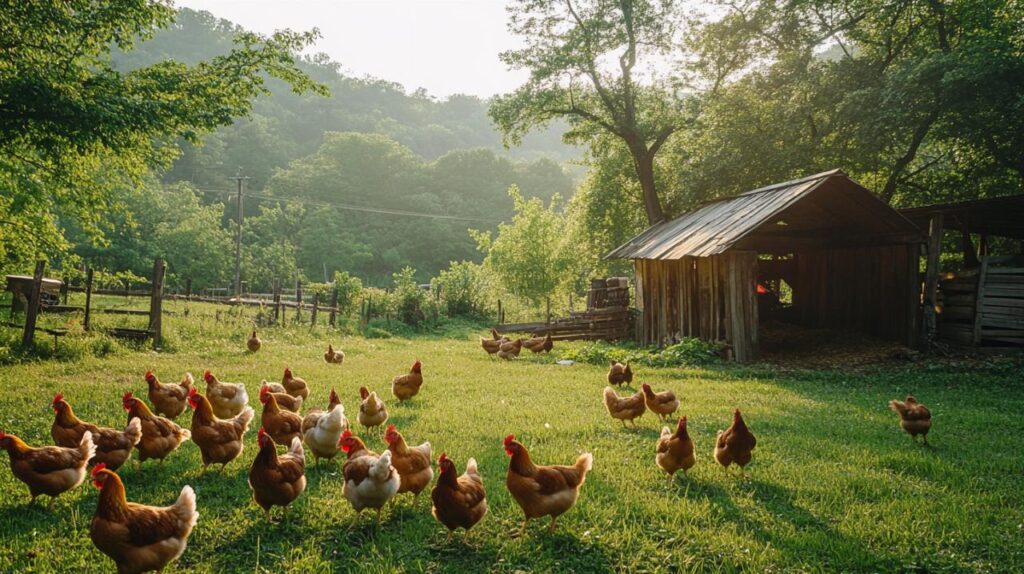
Embarking on a career as a laying hens farmer offers a unique opportunity to blend traditional animal husbandry with modern agricultural practices. Whether you envision a modest backyard enterprise or a more substantial commercial operation, success in poultry farming hinges on a thorough understanding of animal welfare, production efficiency, and the infrastructure required to support a thriving flock. This guide explores the essential components of establishing and maintaining a reputable laying hen enterprise, from acquiring the necessary skills and qualifications to designing optimal housing and implementing sustainable health management strategies.
Establishing your laying hen enterprise: training, skills, and responsible practices
Essential Qualifications and Knowledge for Aspiring Poultry Keepers
Entering the poultry farming industry demands more than enthusiasm for animal care. A solid foundation in agricultural science, business management, and practical experience is crucial for anyone serious about becoming a successful laying hens farmer. Many aspiring farmers benefit from enrolling in structured educational programmes, such as a diploma in poultry farming, which covers topics ranging from nutrition and disease prevention to the economic aspects of running a farm. These courses provide invaluable insights into the daily realities of managing a flock, understanding market dynamics, and navigating regulatory requirements specific to the UK poultry industry.
Beyond formal qualifications, hands-on experience is indispensable. Working alongside established poultry keepers or undertaking apprenticeships allows you to observe best practices firsthand, learn the nuances of animal behaviour, and develop the practical skills needed for tasks such as egg collection, flock renewal, and biosecurity management. Understanding the financial landscape is equally important. Startup costs for poultry farming vary significantly depending on scale. A small-scale farm might require an initial investment ranging from three thousand five hundred to seven thousand five hundred pounds, while medium-scale operations could demand between four hundred thousand and four hundred fifty thousand pounds. Careful planning and financial acumen are therefore essential to ensure that your venture remains viable and profitable over the long term.
Building a Reputable Foundation Through Ethical and Sustainable Methods
Reputation in the poultry farming sector is built on a commitment to responsible practices that prioritise animal welfare and environmental stewardship. Ethical farming involves creating conditions that allow hens to express natural behaviours, ensuring they have access to appropriate space, light, and social interaction. Consumers increasingly seek products from farms that adhere to high welfare standards, and a strong reputation can significantly enhance marketability and customer loyalty.
Sustainable methods extend beyond animal welfare to encompass broader environmental considerations. Implementing energy-efficient systems, managing waste responsibly, and integrating renewable energy sources such as photovoltaic livestock buildings can reduce your ecological footprint while potentially lowering operational costs. Entrepreneurship in this field also means staying informed about evolving regulations and market trends, adapting your practices to meet both legal requirements and consumer expectations. By aligning your operations with principles of sustainability and ethical stewardship, you not only contribute positively to the environment but also position your enterprise as a trusted source of quality produce within the UK poultry industry.
Optimising Egg Production and Maintaining Flock Health Throughout the Life Cycle
Understanding nutritional requirements and disease prevention strategies
The health and productivity of laying hens are inextricably linked to their diet and living conditions. Providing a balanced nutritional programme tailored to the specific needs of your flock is fundamental to achieving consistent egg production and ensuring the birds remain robust throughout their productive lives. A well-formulated diet includes adequate protein, vitamins, minerals, and energy sources, all of which support not only egg laying but also immune function and overall vitality.
Feed distribution equipment plays a pivotal role in delivering nutrition efficiently. Options such as flexible, rigid, and wheeled grain augers facilitate the timely and consistent supply of feed across your facilities. Proper storage solutions, including grain silos and wheeled storage units, help maintain feed quality by protecting it from moisture and pests. Equally important are poultry drinkers, which must be designed to provide clean, fresh water at all times. Hydration is critical for metabolic processes and egg formation, and any compromise in water quality or availability can swiftly lead to declines in health and productivity.
Disease prevention is another cornerstone of successful poultry farming. Regular cleaning routines, stringent biosecurity measures, and collaboration with a poultry vet are essential to identify and address health issues before they escalate. Vaccinations, parasite control, and vigilant monitoring for signs of illness enable you to maintain a healthy flock. By integrating these practices into your daily management routine, you reduce the risk of disease outbreaks and safeguard both animal welfare and your economic investment.
Implementing organic farming principles for enhanced animal welfare
Organic farming methods offer a holistic approach to poultry management that emphasises natural inputs, outdoor access, and minimal use of synthetic chemicals. Adopting organic principles can improve the quality of life for your hens, as they benefit from free-range environments where they can forage, dust bathe, and engage in other instinctive behaviours. These practices not only enhance animal welfare but also appeal to a growing segment of consumers who prioritise ethically produced food.
In an organic system, careful planning is required to define your production model clearly. Whether you opt for a barn, free-range, or fully organic setup, each system has distinct requirements regarding space, feed composition, and certification standards. Selecting breeds well-suited to organic farming, such as Rhode Island Red, Sussex, or Marans, alongside robust hybrids, can optimise both productivity and adaptability to outdoor conditions. These breeds are known for their hardiness, consistent laying performance, and temperament, making them ideal candidates for farmers committed to organic methods.
Long-term management in an organic enterprise includes strategic decisions about flock renewal and handling peak laying periods. Ensuring that your hens have access to nest boxes, perches, and adequate ventilation within their housing, combined with secure fencing to protect against predators, creates an environment conducive to both health and productivity. By aligning your practices with organic standards, you not only meet regulatory requirements but also contribute to a more sustainable and ethical food system, enhancing the reputation and profitability of your laying hen enterprise.
Designing the Ideal Poultry Environment: Equipment, Facilities, and Backyard Projects
Essential Housing Infrastructure and Biosecurity Measures for Your Flock
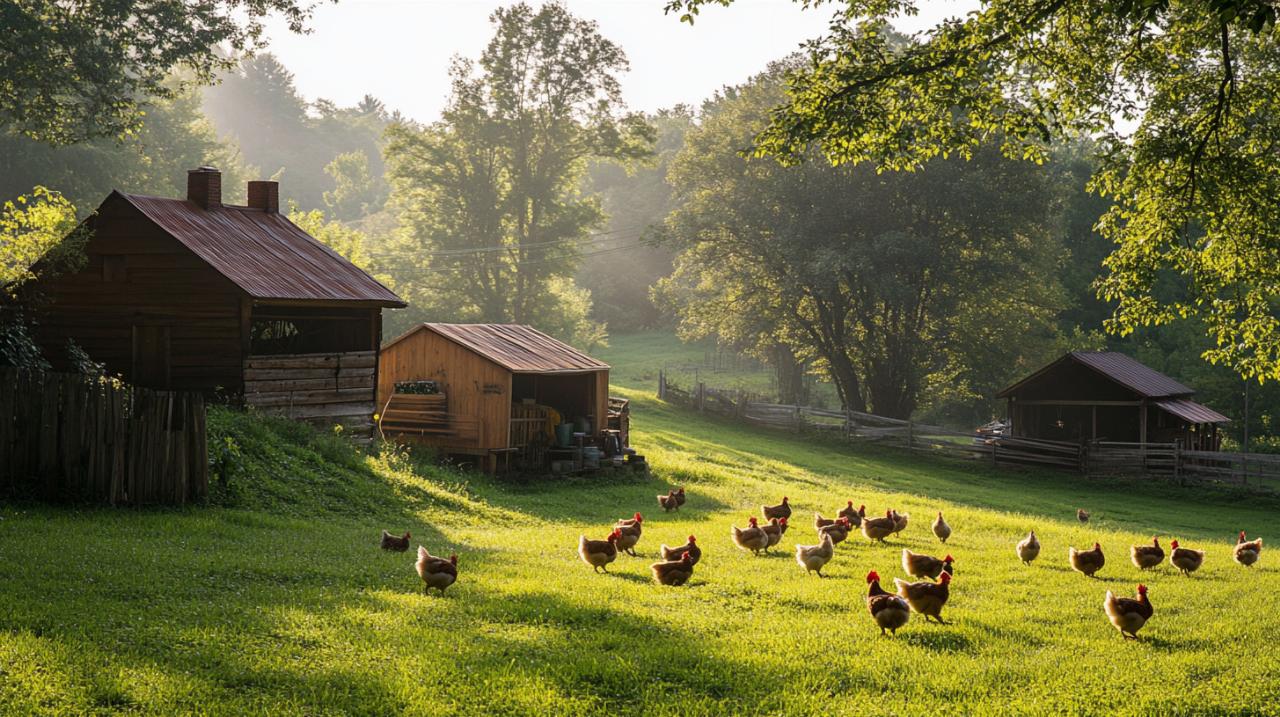
Creating the ideal environment for laying hens begins with selecting appropriate housing infrastructure. Livestock buildings must be designed to meet the specific needs of poultry, providing shelter from the elements, protection from predators, and sufficient space for natural behaviours. A range of options exists to suit different scales and production systems. For instance, a professional mobile chicken coop allows flexibility and pasture rotation, which can improve soil health and reduce disease pressure. Similarly, an autonomous mobile chicken coop or a portable chicken coop offers versatility for farmers managing smaller or experimental flocks.
Fixed rearing buildings provide a stable, permanent structure that can be equipped with advanced ventilation systems, automated feeders, and climate control features. For those interested in integrating renewable energy, a photovoltaic livestock building harnesses solar power to reduce energy costs and environmental impact. Lightweight buildings and portable aviaries offer additional flexibility, particularly for farmers looking to expand or adapt their operations over time. Regardless of the type of structure you choose, ensuring robust biosecurity measures is paramount. This includes secure fencing, controlled access points, and protocols for cleaning and disinfection to minimise the risk of disease introduction.
Proper ventilation is critical to maintaining air quality and regulating temperature within housing units. Poor ventilation can lead to respiratory issues and increased humidity, which fosters the growth of harmful pathogens. Investing in high-quality ventilation systems and regularly monitoring environmental conditions helps safeguard the health of your flock. Additionally, providing adequate nest boxes and perches encourages natural behaviours and reduces stress, contributing to better overall welfare and productivity.
Small-Scale Project Ideas for Beginning Your Hen Breeding Journey at Home
For those contemplating a more modest start, launching a small-scale poultry project in your backyard can be both rewarding and educational. Such projects require less capital investment and offer an excellent opportunity to develop the skills and knowledge necessary for larger operations. A small-scale farm can be established with an initial outlay of around three thousand five hundred to seven thousand five hundred pounds, covering basic equipment, housing, and an initial flock of quality hens.
Begin by carefully planning your production system. Determine whether a free-range, barn, or organic approach best suits your available space, resources, and market goals. Even on a smaller scale, the principles of good animal husbandry remain the same. Ensure your birds have access to clean water through reliable poultry drinkers, nutritious feed delivered via appropriate feeders, and comfortable housing that protects them from adverse weather and predators. Consider incorporating elements such as a lightweight building or a portable aviary if you wish to retain flexibility as your project evolves.
Engaging with local agricultural equipment suppliers and seeking advice from experienced farmers can help you navigate the practical challenges of setting up your enterprise. Many suppliers offer comprehensive support, from selecting the right equipment to ongoing maintenance and upgrades. As your confidence and expertise grow, you may choose to expand your operation, experimenting with different breeds, production methods, and value-added products such as free-range or organic eggs. Starting small allows you to refine your approach, build a loyal customer base, and gradually scale up your activities in response to market demand and personal aspirations.
Ultimately, becoming a laying hens farmer is a multifaceted endeavour that combines technical knowledge, practical skill, and a deep commitment to animal welfare and sustainable agriculture. By investing in proper training, selecting suitable infrastructure, and adhering to ethical farming practices, you lay the groundwork for a thriving enterprise that not only meets the needs of your flock but also contributes positively to the broader agricultural community.