

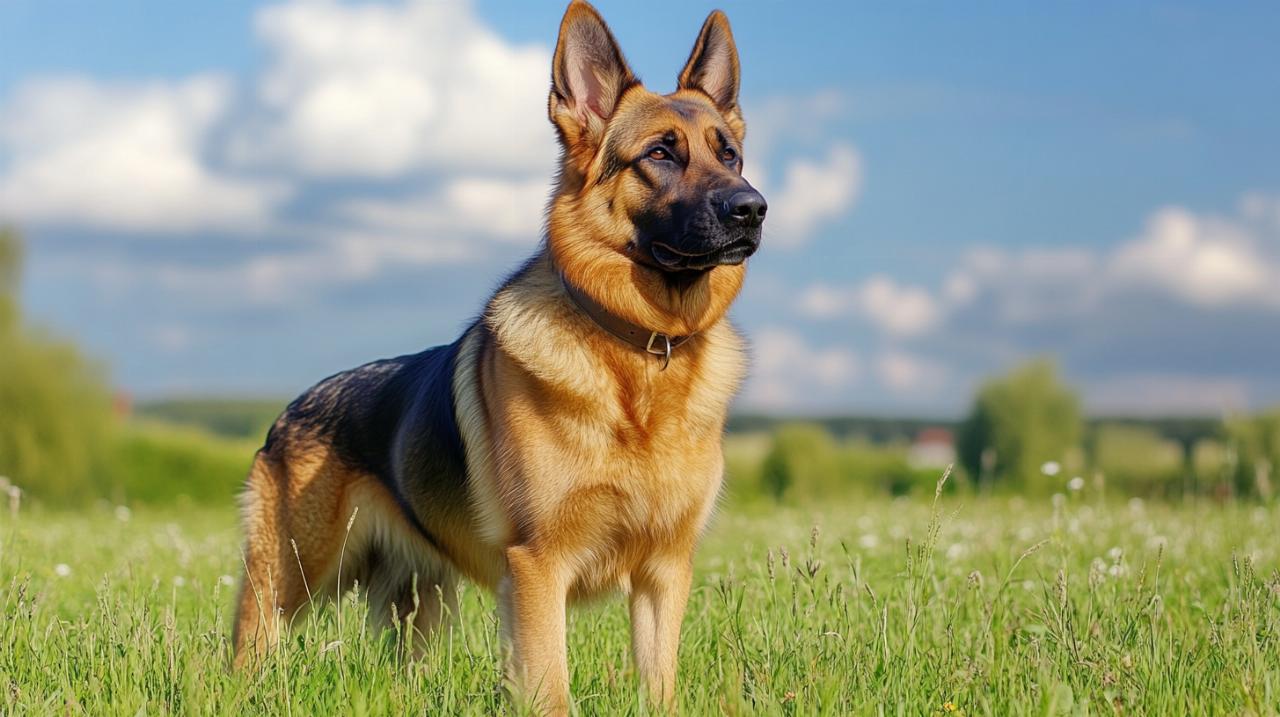
The German Shepherd stands as one of the most celebrated and recognisable breeds worldwide, admired not only for its striking appearance and intelligence but also for its unwavering loyalty and versatility. Originally developed in Germany to herd sheep and cattle, this noble breed has since carved out a distinguished reputation in a wide array of roles, from search and rescue operations to police work and assistance for individuals with disabilities. Their dense double coat, often seen in the classic black and tan variation, and their strong, athletic build contribute to their commanding presence. However, alongside their many admirable qualities, German Shepherds are also known to be predisposed to certain hereditary health conditions, with hip dysplasia being among the most prevalent. Understanding these health challenges is essential for anyone who shares their life with this remarkable breed, ensuring that they receive the care and attention needed to thrive.
Understanding hip dysplasia in german shepherds
What Is Hip Dysplasia and How Does It Affect the Breed?
Hip dysplasia is a developmental condition that affects the hip joint, resulting in an abnormal formation of the ball and socket structure that should ideally fit together seamlessly. In German Shepherds, this condition is particularly common due to genetic factors that have been passed down through generations. When the hip joint does not develop correctly, the bones may rub against each other, leading to deterioration over time. This wear and tear can cause significant discomfort, pain, and ultimately arthritis, which can severely impact a dog's quality of life. The condition is not simply a matter of minor inconvenience; it can restrict movement, reduce the dog's ability to engage in physical activities, and in severe cases, lead to lameness. Given the active and energetic nature of the German Shepherd, hip dysplasia can be particularly distressing, as it limits their natural inclination to run, play, and work. The breed's strong physique and noble demeanour, which are part of what makes them such a popular choice amongst dog enthusiasts, can sometimes mask the early stages of the condition, making vigilance all the more important.
Recognising Early Signs and Symptoms in Your German Shepherd
Detecting hip dysplasia early can make a considerable difference in managing the condition and maintaining your dog's wellbeing. One of the first signs to watch for is a noticeable reluctance to engage in activities that were previously enjoyed, such as running, jumping, or climbing stairs. You may observe your German Shepherd moving with a stiff or awkward gait, or perhaps favouring one leg over the other. Some dogs may also display a bunny-hopping motion when running, which is a compensatory behaviour to reduce stress on the affected hip joints. Difficulty rising from a sitting or lying position is another red flag, as is a general decrease in energy levels or an apparent reluctance to participate in vigorous play. In some cases, you might notice your dog licking or chewing at the hip area, which can indicate discomfort or pain. It is also not uncommon for German Shepherds with hip dysplasia to exhibit a narrower stance in their hind legs or to show signs of muscle atrophy in the hind quarters due to reduced use. Regular observation and a keen awareness of any changes in your dog's behaviour or movement are crucial. Should you notice any of these symptoms, it is advisable to consult your veterinarian promptly to explore diagnostic options and discuss potential management strategies.
Common hereditary health conditions beyond hip dysplasia
Elbow dysplasia and joint-related concerns
While hip dysplasia is perhaps the most widely discussed hereditary condition affecting German Shepherds, elbow dysplasia is another significant joint-related concern that warrants attention. Elbow dysplasia encompasses a group of developmental abnormalities that affect the elbow joint, including issues such as fragmented coronoid process, osteochondritis dissecans, and ununited anconeal process. These conditions can lead to pain, lameness, and degenerative joint disease, much like hip dysplasia. The German Shepherd's strong and robust build, combined with their history as working dogs, means that their joints are subjected to considerable stress, making them particularly vulnerable to such conditions. Dogs suffering from elbow dysplasia may exhibit similar symptoms to those with hip dysplasia, including reluctance to exercise, stiffness, and an altered gait. The condition can affect one or both elbows, and the severity can vary greatly from one individual to another. Early diagnosis through veterinary examination and imaging techniques is vital, as intervention during the developmental stages can help manage the progression of the disease and improve the dog's comfort and mobility over the long term.
Degenerative myelopathy and neurological health issues
Beyond joint-related ailments, German Shepherds are also predisposed to degenerative myelopathy, a progressive neurological condition that affects the spinal cord. This disease typically manifests in older dogs and leads to a gradual loss of coordination and mobility in the hind limbs. Degenerative myelopathy is caused by a degeneration of the white matter of the spinal cord, and although it is not painful, it can be deeply distressing for both the dog and the owner to witness. The condition often begins with a subtle wobble or weakness in the hind legs, which may progress to dragging of the paws, difficulty standing, and eventually, paralysis. Genetic testing is available to identify dogs that carry the gene associated with degenerative myelopathy, and while there is currently no cure, early detection can allow for supportive care measures to be put in place. Physical therapy, the use of mobility aids such as harnesses or wheelchairs, and maintaining an appropriate exercise regimen can all contribute to preserving the dog's quality of life for as long as possible. The progressive nature of this condition underscores the importance of understanding the full spectrum of hereditary health issues that can affect the breed.
Preventative care and managing hereditary conditions
The Importance of Health Screening and Responsible Breeding Practices
One of the most effective ways to combat hereditary health conditions in German Shepherds is through diligent health screening and responsible breeding practices. Prospective breeders should conduct thorough health evaluations, including hip and elbow scoring, to assess the quality of the joints before a dog is used for breeding. Genetic testing for conditions such as degenerative myelopathy can also provide valuable information that helps breeders make informed decisions. By selecting breeding pairs with favourable health profiles, breeders can reduce the incidence of these debilitating conditions in future generations. For those looking to bring a German Shepherd into their home, it is essential to seek out reputable breeders who prioritise health and temperament over purely aesthetic qualities. Enquiring about the health clearances of the puppy's parents and requesting to see relevant documentation can offer peace of mind and set the foundation for a healthier life for your new companion. Responsible breeding is not merely about preserving the breed's physical characteristics; it is fundamentally about ensuring the long-term wellbeing and quality of life for each individual dog.
Exercise, Nutrition, and Veterinary Support for Long-Term Wellbeing
Once a German Shepherd becomes part of your family, maintaining their health requires a multifaceted approach that encompasses appropriate exercise, balanced nutrition, and regular veterinary care. Given the breed's energetic nature and need for both mental and physical stimulation, a well-structured exercise routine is vital. However, it is equally important to tailor this activity to the individual dog's health status, particularly if hereditary conditions such as hip or elbow dysplasia are present or suspected. Low-impact activities such as swimming or controlled lead walks can provide excellent exercise without placing undue stress on the joints. Nutrition plays a critical role in supporting joint health and overall vitality. High-quality diets that include appropriate levels of protein, essential fatty acids, and joint-supporting supplements such as glucosamine and chondroitin can contribute to maintaining cartilage health and reducing inflammation. It is also important to monitor your dog's weight, as excess weight can exacerbate joint problems and place additional strain on an already compromised skeletal system. Regular veterinary check-ups are indispensable for early detection and ongoing management of hereditary health conditions. Your veterinarian can provide guidance on pain management, recommend physiotherapy or hydrotherapy, and suggest lifestyle modifications that can enhance your dog's comfort and mobility. With the right combination of preventative care, attentive management, and a deep understanding of the breed's unique needs, German Shepherds can lead fulfilling and active lives despite the challenges posed by hereditary health conditions.