
{ “title”: “Dead Hedgehog in the Garden: Meaning & Steps to Honour Nature's Cycle in Your Outdoor Space”, “full_text”: “
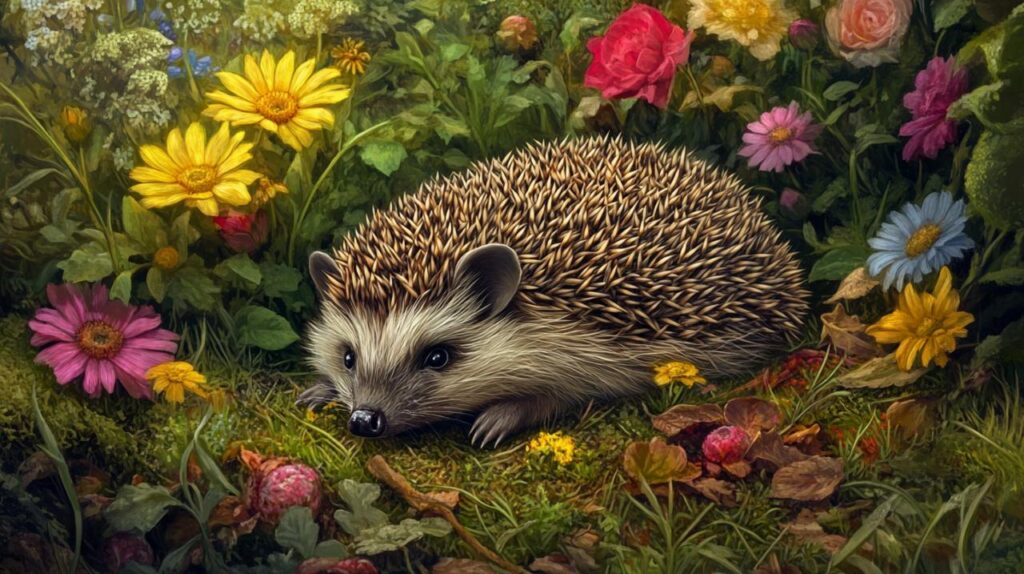
When you discover a lifeless hedgehog nestled amongst your flowerbeds or tucked beneath a hedge, it can evoke a quiet moment of reflection. This small, spiny creature, so often associated with British gardens and folklore, invites us to pause and consider the deeper currents of nature's cycle. Finding a deceased hedgehog is not merely a practical matter to address; it offers an opportunity to connect with the rhythms of life and death that unfold quietly in our outdoor spaces. Understanding the significance of such an encounter and knowing how to respond respectfully can transform an unsettling discovery into a meaningful experience that honours both the creature and the broader web of life it was part of.
Understanding the Spiritual and Cultural Significance of a Dead Hedgehog
Ancient british folklore and hedgehog symbolism
Hedgehogs have long held a special place in the cultural imagination of the British Isles. Throughout history, these nocturnal wanderers have been woven into folklore and superstition, often regarded as symbols of resourcefulness, protection, and quiet resilience. In some traditions, the hedgehog was seen as a creature of the threshold, moving between the seen and unseen worlds, a guardian of secrets and hidden wisdom. Their prickly coats were thought to offer a natural defence not just against predators, but also against negative energies, making them totems of self-protection and boundary-setting. The hedgehog's habit of rolling into a ball when threatened became a metaphor for introspection and the need to retreat inward during times of vulnerability. In rural communities, these creatures were often welcomed as allies in the garden, consuming pests and fostering balance within the ecosystem. Their presence was considered a blessing, a sign that the land was healthy and thriving. To encounter a dead hedgehog, then, might be interpreted as a moment to reflect on loss, change, and the cycles that govern all living things. It serves as a reminder that even the most humble creatures play vital roles in the tapestry of nature, and their passing invites us to honour the interconnectedness of life.
What Finding a Deceased Hedgehog May Represent in Your Life
Discovering a dead hedgehog in your garden can carry symbolic weight, prompting introspection about transitions and endings. In spiritual terms, the hedgehog's death may represent the closing of a chapter, the shedding of old defences, or the need to acknowledge what has been lost in order to make space for renewal. The hedgehog's natural behaviour of curling inward can mirror our own tendencies to protect ourselves, and its death might suggest a time to examine whether those defences are still serving us or if they have become barriers to growth. It can also symbolise the fragility of life and the importance of cherishing the small, often overlooked aspects of our environment. The decline in hedgehog populations, from over thirty million in the nineteen fifties to just one and a half million by nineteen ninety-five, and a further drop of up to forty percent by twenty eleven, underscores the vulnerability of these creatures. Habitat loss, pesticide use, and barriers such as fences have contributed to their dramatic decline, making each encounter with a hedgehog, living or dead, a poignant reminder of the impact human activity has on wildlife. Finding a deceased hedgehog may therefore also be a call to action, urging us to become more mindful stewards of our outdoor spaces and to take steps to support the creatures that share our world. It is an invitation to reflect on our relationship with nature and to consider how we can better protect and nurture the biodiversity that enriches our lives.
Respectful Steps for Handling a Dead Hedgehog in Your Garden
Safe removal and proper disposal methods
When you come across a dead hedgehog, the first consideration should be your own safety and hygiene. It is essential to wear gloves before handling the animal, as this will protect you from potential pathogens or parasites. Using a plastic bag or a small spade, carefully lift the hedgehog and place it into a secure container or bag. If you are uncertain about the cause of death, it is worth checking for any obvious signs of injury or illness, though a detailed examination is best left to professionals. Once the hedgehog is safely contained, you have several options for disposal. One approach is to contact your local council, as many offer a service for collecting deceased animals. Alternatively, you may choose to dispose of the hedgehog with your household waste, though this may feel less dignified given the creature's place in our cultural and ecological landscape. Another option, which many find more meaningful, is to create a natural burial within your garden. This allows the hedgehog to return to the earth, contributing nutrients back into the soil and completing the cycle of life. Whichever method you choose, the key is to handle the situation with care and respect, acknowledging the hedgehog's role in the natural world and the sadness that can accompany such a loss.
Creating a Natural Burial to Honour the Creature's Life
A natural burial offers a gentle and respectful way to say farewell to the hedgehog, allowing its body to decompose and enrich the soil. To create a burial site, select a quiet corner of your garden, ideally away from high-traffic areas and vegetable patches. Dig a hole deep enough to prevent disturbance from other animals, typically around half a metre. Place the hedgehog gently into the hole, perhaps wrapping it in a biodegradable cloth or leaves if you wish. As you cover the grave with soil, you might take a moment to reflect on the life of this small creature and the role it played in your garden ecosystem. Some people choose to mark the spot with a small stone, a planted flower, or a simple wooden marker, creating a memorial that honours the hedgehog and serves as a reminder of the cycles of nature. This act of burial can be a meditative practice, a way to connect more deeply with the land and to acknowledge the loss of a fellow inhabitant of your outdoor space. It transforms a sad discovery into a ritual of respect and gratitude, reinforcing the idea that every life, no matter how small, has value and deserves to be honoured. By choosing to bury the hedgehog in your garden, you also contribute to the health of the soil, as the decomposition process returns organic matter and nutrients to the earth, supporting the growth of plants and the myriad forms of life they sustain.
Connecting with nature's cycle through hedgehog encounters
The Role of Hedgehogs in British Garden Ecosystems
Hedgehogs are far more than charming visitors to our gardens; they are vital components of the ecosystem, performing essential services that help maintain balance and health in outdoor spaces. These nocturnal foragers feed on a wide variety of invertebrates, including slugs, beetles, caterpillars, and earwigs, which means they naturally control pest populations without the need for chemical interventions. By consuming these creatures, hedgehogs reduce the damage that pests can inflict on plants and crops, making them invaluable allies for gardeners. Their presence is an indicator of a healthy, biodiverse environment, one where wildlife corridors exist and where food sources are plentiful. Unfortunately, the rapid decline in hedgehog numbers, driven by habitat loss, pesticide use, and barriers such as solid fences, has disrupted this delicate balance. Hedgehogs need access to multiple gardens to roam, forage, and find mates, which is why creating gaps in fences and connecting green spaces is so crucial. The Royal Society for the Protection of Birds, often abbreviated as RSPB, emphasises the importance of supporting garden wildlife through initiatives like the Big Garden Birdwatch and their Together We Fly campaign, which encourage the public to help nature through various activities. Understanding the role hedgehogs play in our gardens helps us appreciate the interconnectedness of all living things and underscores the importance of protecting these creatures and their habitats. When we find a dead hedgehog, it is a stark reminder of the challenges they face and a call to take meaningful action to support the species and the broader ecosystem they inhabit.
Protecting Living Hedgehogs and Supporting Wildlife in Your Outdoor Space
Creating a hedgehog-friendly garden is one of the most effective ways to honour the memory of a deceased hedgehog and to support the living members of this declining species. Start by ensuring there are gaps in fences and walls, ideally around thirteen centimetres square, to allow hedgehogs to move freely between gardens and forage over a wider area. Providing food and water can also make a significant difference, especially during dry spells or when natural food sources are scarce. Homemade hedgehog food can include organic ingredients like muesli and peanut butter, though it is important to avoid bread and milk, which can be harmful. Building a hedgehog house offers shelter and a safe place to hibernate, and constructing a dead hedge, a habitat made of woody cuttings, can provide additional refuge and food sources for hedgehogs and other wildlife. Dead hedges, which take about three to four hours to build and can be created all year round, involve stacking woody prunings between sturdy stakes in the garden. They serve a similar function to fences while offering shelter and attracting insects, which in turn become food for hedgehogs and birds. You can decorate a dead hedge with climbing plants and flowers to attract even more wildlife, creating a thriving hub of biodiversity. A simpler alternative is a brash pile, made by stacking sticks and small logs, which also provides habitat for a variety of creatures. Avoiding the use of pesticides and slug pellets is crucial, as these chemicals can poison hedgehogs and reduce their food supply. Instead, encourage natural pest control by welcoming hedgehogs and other beneficial wildlife into your garden. Participating in community initiatives, such as tree planting through schemes like the Fife Climate Forest, supporting climate-friendly businesses, and engaging with local food projects like Fife Roots, can also contribute to creating a healthier environment for hedgehogs and other species. By taking these steps, you not only protect living hedgehogs but also contribute to a broader movement of nature recovery and biodiversity conservation. Finding a dead hedgehog can be a catalyst for change, inspiring you to transform your garden into a sanctuary for wildlife and to become a more active participant in the cycles of nature that sustain us all.
When you discover a lifeless hedgehog nestled amongst your flowerbeds or tucked beneath a hedge, it can evoke a quiet moment of reflection. This small, spiny creature, so often associated with British gardens and folklore, invites us to pause and consider the deeper currents of nature's cycle. Finding a deceased hedgehog is not merely a practical matter to address; it offers an opportunity to connect with the rhythms of life and death that unfold quietly in our outdoor spaces. Understanding the significance of such an encounter and knowing how to respond respectfully can transform an unsettling discovery into a meaningful experience that honours both the creature and the broader web of life it was part of.
Understanding the Spiritual and Cultural Significance of a Dead Hedgehog
Ancient british folklore and hedgehog symbolism
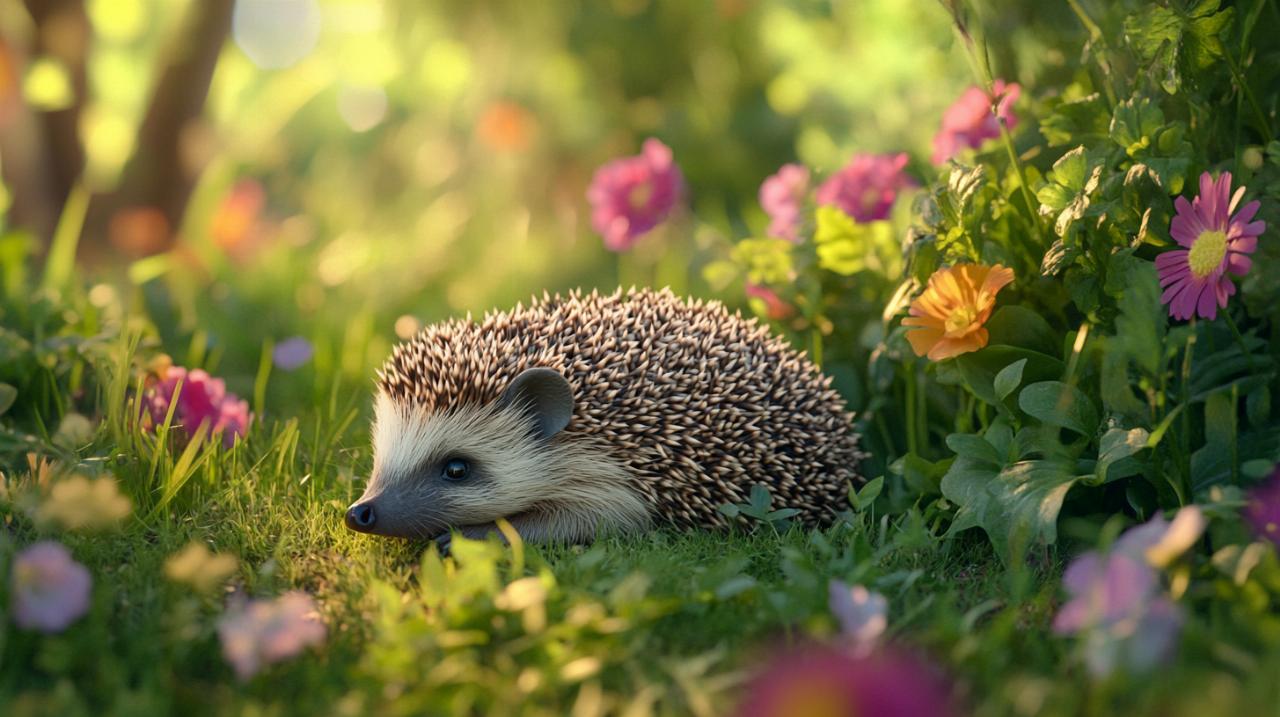
Hedgehogs have long held a special place in the cultural imagination of the British Isles. Throughout history, these nocturnal wanderers have been woven into folklore and superstition, often regarded as symbols of resourcefulness, protection, and quiet resilience. In some traditions, the hedgehog was seen as a creature of the threshold, moving between the seen and unseen worlds, a guardian of secrets and hidden wisdom. Their prickly coats were thought to offer a natural defence not just against predators, but also against negative energies, making them totems of self-protection and boundary-setting. The hedgehog's habit of rolling into a ball when threatened became a metaphor for introspection and the need to retreat inward during times of vulnerability. In rural communities, these creatures were often welcomed as allies in the garden, consuming pests and fostering balance within the ecosystem. Their presence was considered a blessing, a sign that the land was healthy and thriving. To encounter a dead hedgehog, then, might be interpreted as a moment to reflect on loss, change, and the cycles that govern all living things. It serves as a reminder that even the most humble creatures play vital roles in the tapestry of nature, and their passing invites us to honour the interconnectedness of life.
What Finding a Deceased Hedgehog May Represent in Your Life
Discovering a dead hedgehog in your garden can carry symbolic weight, prompting introspection about transitions and endings. In spiritual terms, the hedgehog's death may represent the closing of a chapter, the shedding of old defences, or the need to acknowledge what has been lost in order to make space for renewal. The hedgehog's natural behaviour of curling inward can mirror our own tendencies to protect ourselves, and its death might suggest a time to examine whether those defences are still serving us or if they have become barriers to growth. It can also symbolise the fragility of life and the importance of cherishing the small, often overlooked aspects of our environment. The decline in hedgehog populations, from over thirty million in the nineteen fifties to just one and a half million by nineteen ninety-five, and a further drop of up to forty percent by twenty eleven, underscores the vulnerability of these creatures. Habitat loss, pesticide use, and barriers such as fences have contributed to their dramatic decline, making each encounter with a hedgehog, living or dead, a poignant reminder of the impact human activity has on wildlife. Finding a deceased hedgehog may therefore also be a call to action, urging us to become more mindful stewards of our outdoor spaces and to take steps to support the creatures that share our world. It is an invitation to reflect on our relationship with nature and to consider how we can better protect and nurture the biodiversity that enriches our lives.
Respectful Steps for Handling a Dead Hedgehog in Your Garden
Safe removal and proper disposal methods
When you come across a dead hedgehog, the first consideration should be your own safety and hygiene. It is essential to wear gloves before handling the animal, as this will protect you from potential pathogens or parasites. Using a plastic bag or a small spade, carefully lift the hedgehog and place it into a secure container or bag. If you are uncertain about the cause of death, it is worth checking for any obvious signs of injury or illness, though a detailed examination is best left to professionals. Once the hedgehog is safely contained, you have several options for disposal. One approach is to contact your local council, as many offer a service for collecting deceased animals. Alternatively, you may choose to dispose of the hedgehog with your household waste, though this may feel less dignified given the creature's place in our cultural and ecological landscape. Another option, which many find more meaningful, is to create a natural burial within your garden. This allows the hedgehog to return to the earth, contributing nutrients back into the soil and completing the cycle of life. Whichever method you choose, the key is to handle the situation with care and respect, acknowledging the hedgehog's role in the natural world and the sadness that can accompany such a loss.
Creating a Natural Burial to Honour the Creature's Life
A natural burial offers a gentle and respectful way to say farewell to the hedgehog, allowing its body to decompose and enrich the soil. To create a burial site, select a quiet corner of your garden, ideally away from high-traffic areas and vegetable patches. Dig a hole deep enough to prevent disturbance from other animals, typically around half a metre. Place the hedgehog gently into the hole, perhaps wrapping it in a biodegradable cloth or leaves if you wish. As you cover the grave with soil, you might take a moment to reflect on the life of this small creature and the role it played in your garden ecosystem. Some people choose to mark the spot with a small stone, a planted flower, or a simple wooden marker, creating a memorial that honours the hedgehog and serves as a reminder of the cycles of nature. This act of burial can be a meditative practice, a way to connect more deeply with the land and to acknowledge the loss of a fellow inhabitant of your outdoor space. It transforms a sad discovery into a ritual of respect and gratitude, reinforcing the idea that every life, no matter how small, has value and deserves to be honoured. By choosing to bury the hedgehog in your garden, you also contribute to the health of the soil, as the decomposition process returns organic matter and nutrients to the earth, supporting the growth of plants and the myriad forms of life they sustain.
Connecting with nature's cycle through hedgehog encounters
The Role of Hedgehogs in British Garden Ecosystems
Hedgehogs are far more than charming visitors to our gardens; they are vital components of the ecosystem, performing essential services that help maintain balance and health in outdoor spaces. These nocturnal foragers feed on a wide variety of invertebrates, including slugs, beetles, caterpillars, and earwigs, which means they naturally control pest populations without the need for chemical interventions. By consuming these creatures, hedgehogs reduce the damage that pests can inflict on plants and crops, making them invaluable allies for gardeners. Their presence is an indicator of a healthy, biodiverse environment, one where wildlife corridors exist and where food sources are plentiful. Unfortunately, the rapid decline in hedgehog numbers, driven by habitat loss, pesticide use, and barriers such as solid fences, has disrupted this delicate balance. Hedgehogs need access to multiple gardens to roam, forage, and find mates, which is why creating gaps in fences and connecting green spaces is so crucial. The Royal Society for the Protection of Birds, often abbreviated as RSPB, emphasises the importance of supporting garden wildlife through initiatives like the Big Garden Birdwatch and their Together We Fly campaign, which encourage the public to help nature through various activities. Understanding the role hedgehogs play in our gardens helps us appreciate the interconnectedness of all living things and underscores the importance of protecting these creatures and their habitats. When we find a dead hedgehog, it is a stark reminder of the challenges they face and a call to take meaningful action to support the species and the broader ecosystem they inhabit.
Protecting Living Hedgehogs and Supporting Wildlife in Your Outdoor Space
Creating a hedgehog-friendly garden is one of the most effective ways to honour the memory of a deceased hedgehog and to support the living members of this declining species. Start by ensuring there are gaps in fences and walls, ideally around thirteen centimetres square, to allow hedgehogs to move freely between gardens and forage over a wider area. Providing food and water can also make a significant difference, especially during dry spells or when natural food sources are scarce. Homemade hedgehog food can include organic ingredients like muesli and peanut butter, though it is important to avoid bread and milk, which can be harmful. Building a hedgehog house offers shelter and a safe place to hibernate, and constructing a dead hedge, a habitat made of woody cuttings, can provide additional refuge and food sources for hedgehogs and other wildlife. Dead hedges, which take about three to four hours to build and can be created all year round, involve stacking woody prunings between sturdy stakes in the garden. They serve a similar function to fences while offering shelter and attracting insects, which in turn become food for hedgehogs and birds. You can decorate a dead hedge with climbing plants and flowers to attract even more wildlife, creating a thriving hub of biodiversity. A simpler alternative is a brash pile, made by stacking sticks and small logs, which also provides habitat for a variety of creatures. Avoiding the use of pesticides and slug pellets is crucial, as these chemicals can poison hedgehogs and reduce their food supply. Instead, encourage natural pest control by welcoming hedgehogs and other beneficial wildlife into your garden. Participating in community initiatives, such as tree planting through schemes like the Fife Climate Forest, supporting climate-friendly businesses, and engaging with local food projects like Fife Roots, can also contribute to creating a healthier environment for hedgehogs and other species. By taking these steps, you not only protect living hedgehogs but also contribute to a broader movement of nature recovery and biodiversity conservation. Finding a dead hedgehog can be a catalyst for change, inspiring you to transform your garden into a sanctuary for wildlife and to become a more active participant in the cycles of nature that sustain us all.