
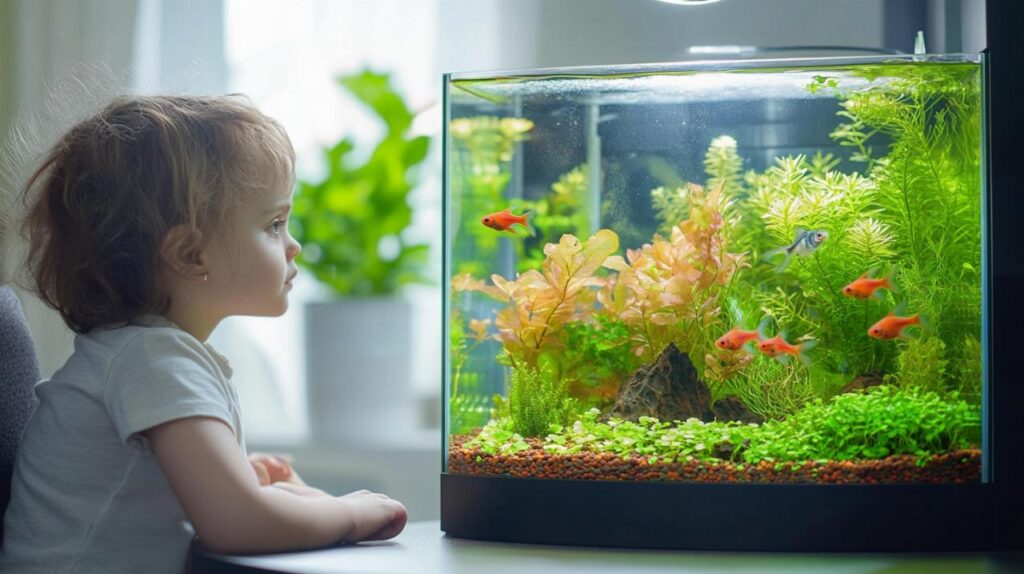
Setting up your very first aquarium can feel a bit daunting, especially when you're trying to wrap your head around all the technical bits that come with keeping fish healthy and happy. One of the most crucial elements you'll encounter is the filtration system, which essentially acts as the kidneys of your tank, working tirelessly to maintain a clean and balanced environment. For those considering the Zolux Nanolife Kidz 40, understanding how its built-in filter operates and what it demands in terms of upkeep is absolutely essential. This compact tank has been designed with beginners in mind, offering a manageable introduction to the hobby without overwhelming you with complicated equipment or excessive maintenance routines. In this detailed examination, we'll walk through everything you need to know about the filtration setup, the initial unboxing experience, and whether the price tag represents genuine value for someone just starting out in the world of fishkeeping.
Understanding the built-in filtration system
How the Internal Filter Functions in Small Tanks
The Zolux Nanolife Kidz 40 comes equipped with an internal filter, a design choice that makes perfect sense for a nano aquarium of this size. Internal filters are particularly well-suited to smaller setups because they occupy minimal space whilst still delivering effective water purification. The beauty of this arrangement lies in its simplicity: the filter unit sits discreetly inside the tank, drawing water through a series of media layers that tackle impurities in multiple ways. Mechanical filtration forms the first line of defence, physically trapping debris, uneaten food, and fish waste as water passes through materials such as sponge or wool. This keeps the water visibly clear and prevents particles from accumulating on the substrate or decorations. Beyond this, biological filtration takes centre stage as beneficial bacterial colonies establish themselves on the filter media, breaking down harmful ammonia and nitrites into less toxic nitrates. This transformation is vital for maintaining a stable aquatic environment, especially in the early weeks after you first introduce fish. Chemical filtration, achieved through materials like activated carbon, helps to absorb any residual toxins or discolouration, ensuring the water remains pristine and safe. The compact nature of the internal filter in the Kidz 40 means it's less intimidating for first-time fishkeepers, as there's no need to grapple with external tubing or worry about leaks from separate canisters.
Maintenance requirements for optimal water quality
Keeping your filtration system in top form doesn't require a degree in marine biology, but it does demand a consistent approach to maintenance. The general rule of thumb is to give your filter a thorough clean once a month, though you'll want to avoid scrubbing every component at the same time, as this can wipe out the beneficial bacteria that have colonised the media. Instead, rinse sponges or wool pads in tank water removed during a water change, preserving some of that precious bacterial population. Regularly checking your water parameters is equally important, as it allows you to spot any spikes in nitrites or nitrates before they become problematic. Testing for pH, general hardness, and carbonate hardness will also give you a fuller picture of your tank's health. When you first set up the Kidz 40, it's wise to introduce enzymatic treatments and bacterial strains to kickstart the nitrogen cycle, then wait a few days before adding any fish. This patience pays dividends, as it ensures the biological filtration is sufficiently established to handle the bioload. Over time, you'll develop a rhythm for these tasks, and they'll become second nature. The internal filter's accessibility makes these monthly checks straightforward, as you can simply lift the unit out without dismantling half the tank. This ease of access is a genuine boon for anyone new to the hobby, removing much of the stress associated with regular upkeep.
Getting started with your first compact tank
What's Included in the Package and Initial Setup
Unboxing the Zolux Nanolife Kidz 40 reveals a thoughtfully curated package designed to get you up and running without the need for a separate shopping trip. Inside, you'll find the tank itself, the internal filter unit, and typically a lid with integrated lighting. Some versions also include a heater, though it's worth checking the specific contents list for your model. The forty-litre capacity strikes a nice balance, offering enough volume to house a small community of fish whilst remaining manageable in terms of space and maintenance. Setting up is refreshingly straightforward: you'll position the tank on a sturdy, level surface, rinse the substrate and any decorations in clean water, and then begin arranging your hardscape and plants. Once you've filled the tank with dechlorinated water, the internal filter can be installed following the manufacturer's instructions, usually involving attaching it to the rear or side wall with suction cups. Plugging in the filter and allowing it to circulate water for several days before introducing livestock is crucial, as this gives the bacterial colonies time to establish. For beginners, this setup process is mercifully free of the complications you might encounter with larger, more elaborate systems, making it an ideal launchpad into the hobby.
Lighting performance and energy efficiency
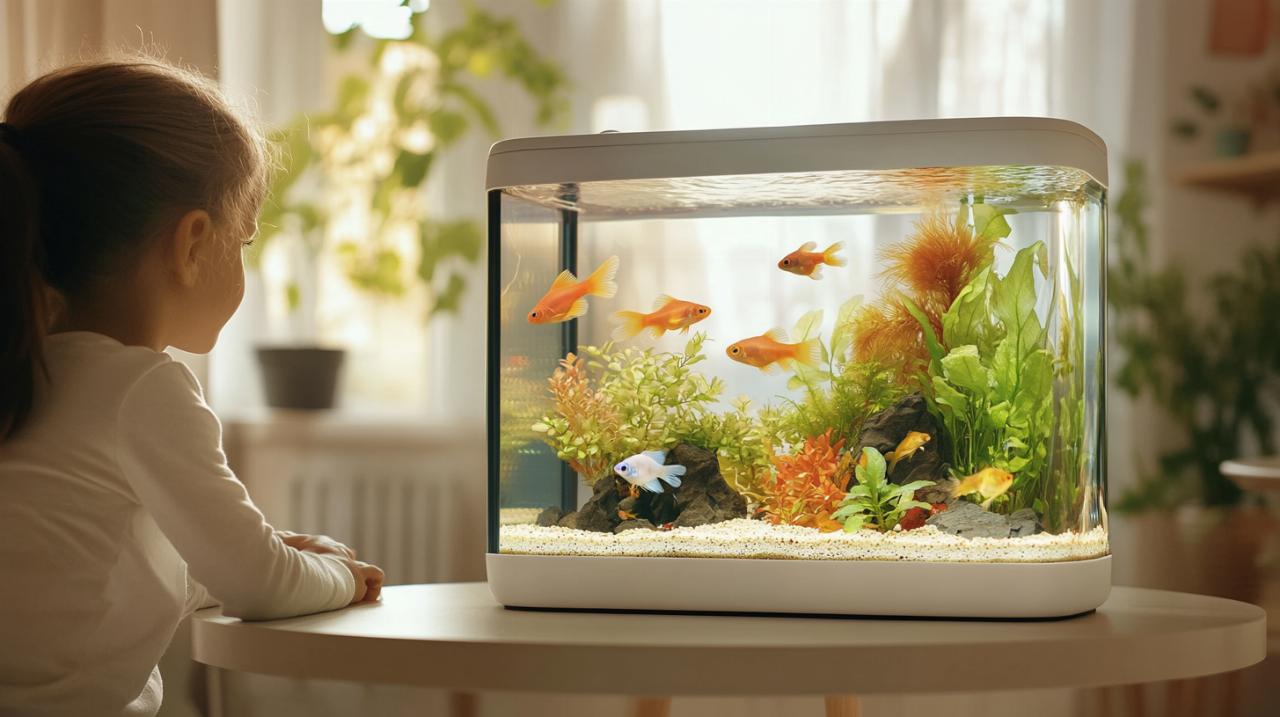
The integrated LED lighting on the Nanolife Kidz 40 serves a dual purpose: it illuminates your underwater landscape beautifully whilst keeping energy consumption to a minimum. Modern LED technology has revolutionised aquarium lighting, offering bright, full-spectrum illumination that supports plant growth without generating excessive heat or driving up your electricity bill. For first-time fishkeepers, this means you can enjoy a vibrant, well-lit display without worrying about complicated timer systems or bulb replacements every few months. The light unit is typically built into the lid, creating a sleek, all-in-one appearance that looks tidy on a desk or shelf. Many users find that the default lighting is more than adequate for low to medium-light plants such as Java fern, Anubias, or certain mosses, which are excellent choices for beginners due to their forgiving nature. If you're planning a planted tank, the LED's energy efficiency becomes even more appealing, as you can leave the lights on for eight to ten hours daily without seeing a noticeable spike in your energy costs. This efficiency extends to the filter as well, which draws minimal power whilst still maintaining excellent water quality. For anyone conscious of their environmental footprint or simply keen to keep running costs low, these features make the Kidz 40 a sensible choice.
Value assessment and long-term considerations
Comparing cost against similar models
When evaluating the Zolux Nanolife Kidz 40 on price, it's important to consider what you're actually getting for your money. The initial outlay might seem modest compared to larger, more advanced setups, but the inclusion of an internal filter, LED lighting, and potentially a heater means you're not left hunting for additional components to complete your setup. Competing models in the nano aquarium category often require separate purchases of these items, which can quickly inflate the total cost. Furthermore, the quality of the filter media and the reliability of the internal filter unit itself play a significant role in long-term value. A cheap filter that clogs frequently or requires constant replacement parts can end up costing more over time, both in monetary terms and in the frustration it causes. The Kidz 40's internal filter is designed for ease of maintenance, with straightforward access to media compartments and a reputation for durability. This reliability reduces the likelihood of unexpected expenses and helps maintain stable water quality, which in turn supports healthier fish and plants. For beginners, this predictability is worth its weight in gold, as it removes much of the uncertainty that can make the early stages of fishkeeping stressful. When you factor in the energy-efficient LED lighting and the compact footprint, the Kidz 40 represents a solid investment for anyone looking to dip their toes into the hobby without breaking the bank.
Is the 40-Litre Size Right for Your Space
Choosing the right tank size depends on a combination of practical considerations and your ambitions as a fishkeeper. The forty-litre capacity of the Nanolife Kidz 40 makes it an excellent fit for smaller homes, student accommodation, or office desks where space is at a premium. It's large enough to support a modest community of fish, such as a small school of neon tetras, a few shrimp, or a single Betta, whilst still being compact enough to sit comfortably on a table or sturdy shelf. However, it's worth noting that smaller volumes of water can experience more rapid fluctuations in temperature and water chemistry, which means you'll need to stay on top of testing and water changes. For beginners, this can actually be a valuable learning experience, as it encourages regular engagement with the tank and helps you develop good habits early on. On the other hand, if you have the space and budget for a slightly larger setup, a bigger tank can offer a bit more stability and greater flexibility in stocking options. That said, the Kidz 40 strikes a sweet spot for many first-time fishkeepers, offering enough volume to create an engaging aquatic environment without becoming overwhelming. Its manageable size also makes routine maintenance, such as water changes and filter cleaning, far less of a chore compared to hauling buckets of water around for a much larger system. If you're looking for an accessible entry point into the world of aquariums, this compact tank delivers a well-rounded package that balances convenience, performance, and affordability.