
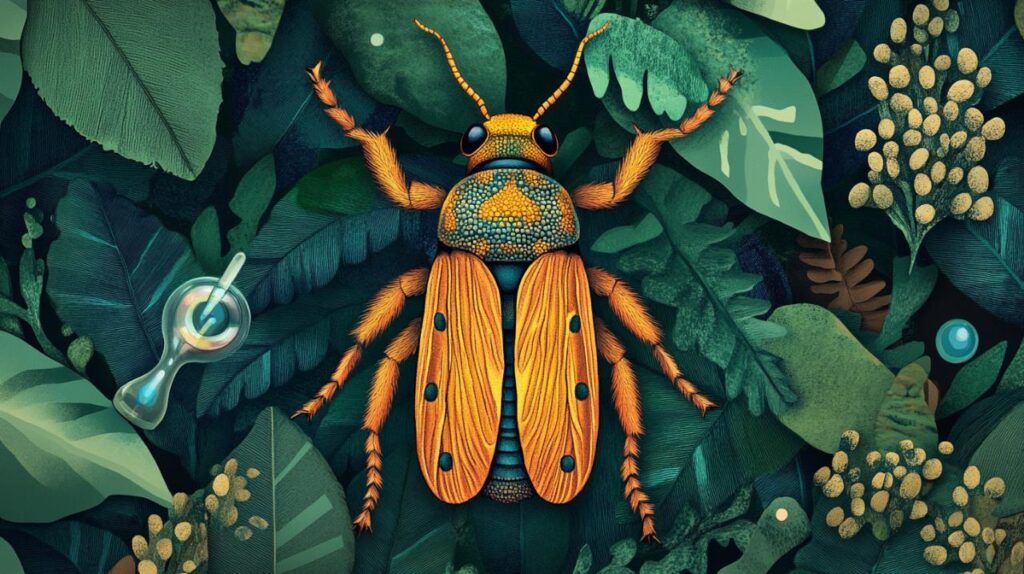
Managing pests in the garden requires thoughtful strategies that respect the environment whilst effectively protecting cherished plants. Leafhoppers represent a common challenge for gardeners across the United Kingdom, affecting everything from delicate ornamental specimens to productive fruit trees. Understanding the range of biological treatments available enables informed choices that align with sustainable gardening principles and deliver tangible results throughout the growing season.
Understanding Leafhopper Infestations and Their Impact on British Gardens
Leafhoppers are small, agile insects that pierce plant tissue to extract sap, causing damage that manifests as stippling, yellowing, and reduced vigour in affected plants. Their presence is often first noticed through the characteristic pale speckling on leaves or the appearance of sticky honeydew deposits. These pests affect a wide variety of garden plants, with particular fondness for roses, fruit trees such as apple and plum, and various herbaceous ornamentals. The stress they impose weakens plants, making them more susceptible to secondary infections and reducing overall aesthetic appeal and productivity.
Identifying Leafhopper Species and Damage to Ornamental Plants and Fruit Trees
Several leafhopper species thrive in British gardens, each with distinct preferences and feeding habits. The rose leafhopper is notorious for targeting roses, creating distinctive white mottling on foliage that diminishes the beauty of these beloved plants. Fruit trees, particularly apple and cherry, suffer from the attentions of species that not only drain vital nutrients but also transmit plant diseases. Identifying the specific leafhopper species present helps tailor control measures effectively. Observing the colour, size, and behaviour of these insects, alongside the pattern of damage on leaves, provides crucial clues. Recognising early signs of infestation allows for prompt intervention, reducing the risk of widespread damage and the need for more intensive control measures later in the season.
The Lifecycle of Leafhoppers: Targeting Vulnerable Stages for Effective Control
Leafhoppers undergo incomplete metamorphosis, progressing through egg, nymph, and adult stages. Eggs are typically laid within plant tissue, making them less accessible to many predators and treatments. Nymphs emerge and begin feeding immediately, passing through several moults before reaching maturity. Adults are highly mobile, capable of quickly colonising new areas of the garden. Understanding this lifecycle is essential for timing biological control interventions effectively. Targeting the egg stage with specialised parasitic wasps can prevent future populations from establishing, whilst encouraging predators that feed on nymphs and adults provides ongoing suppression. Integrated approaches that address multiple lifecycle stages yield the most consistent and long-lasting results in managing leafhopper populations.
Trichogramma wasps: a specialist biological control for leafhopper management
Trichogramma wasps represent a sophisticated and targeted biological solution for managing certain pest populations. These minute parasitic wasps, often no larger than a pinpoint, specialise in parasitising insect eggs. Whilst Trichogramma species such as those offered by Koppert are traditionally associated with controlling caterpillar pests like corn borers and armyworms, their potential application in integrated pest management systems warrants consideration. These beneficial insects operate discreetly within the garden ecosystem, seeking out pest eggs and laying their own eggs inside, thereby preventing the development of destructive larvae. Their effectiveness depends on precise timing and environmental conditions that support their activity and survival.
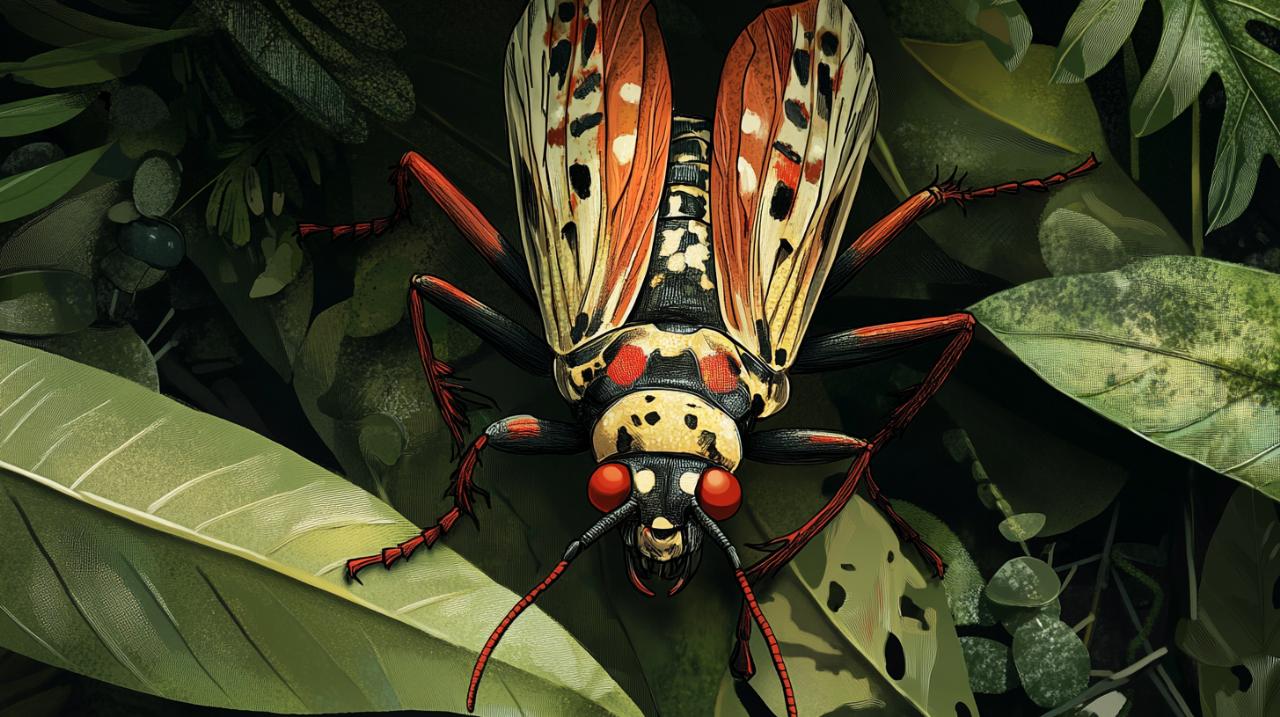
How trichogramma wasps target leafhopper eggs and reduce future populations
The primary mechanism by which Trichogramma wasps exert control involves locating and parasitising pest eggs before they hatch. Once a Trichogramma female finds a suitable egg, she deposits her own egg inside, and the developing wasp larva consumes the contents, effectively neutralising the pest before it emerges. This preemptive approach is particularly valuable in managing pests with discrete egg-laying patterns. However, it is important to note that Trichogramma species are highly host-specific, and their efficacy against leafhopper eggs specifically may vary depending on the leafhopper species present and the Trichogramma strain employed. Research and field trials continue to explore the breadth of Trichogramma applications, and gardeners should consult specialist suppliers to ensure compatibility with their specific pest challenges. When conditions align, Trichogramma releases can significantly reduce future pest pressure by interrupting the reproductive cycle at its earliest stage.
Releasing Trichogramma in Garden Settings: Timing and Application Methods
Successful deployment of Trichogramma wasps in garden environments hinges on careful timing and appropriate release techniques. These wasps should be introduced early in the pest cycle, ideally when pest eggs are first detected or anticipated based on seasonal patterns. Trichogramma are typically supplied on cards or in containers that protect them during transit and facilitate gradual emergence in the garden. Placing these release units near affected plants, sheltered from direct sunlight and heavy rain, maximises survival and dispersal. Temperature and humidity play critical roles in Trichogramma activity, with optimal performance occurring within moderate ranges typical of British spring and summer conditions. Multiple releases over the course of the growing season may be necessary to maintain effective control, particularly in areas with high pest pressure. Monitoring the presence of pest eggs and assessing the impact of releases using sticky traps and visual inspections helps refine release strategies and ensures resources are deployed efficiently.
Comparing natural predators: ladybirds, lacewings, birds, and other beneficial organisms
Beyond specialised parasitic wasps, a diverse array of natural predators contributes to the suppression of leafhopper populations in British gardens. Ladybirds, lacewings, predatory bugs, spiders, and insectivorous birds all play vital roles in maintaining ecological balance. These generalist predators feed on various life stages of leafhoppers, from nymphs to adults, and their presence enhances overall garden resilience. Unlike parasitic wasps that target specific pests, these organisms offer broad-spectrum control, adapting to fluctuating pest populations and providing ongoing suppression throughout the year. Encouraging and supporting these natural allies through habitat management and thoughtful planting creates a self-sustaining system that reduces reliance on direct interventions and fosters a healthier garden ecosystem.
Attracting Native Predators to Your Garden for Year-Round Leafhopper Suppression
Creating a garden environment that attracts and sustains beneficial predators involves providing essential resources such as food, shelter, and breeding sites. Planting nectar-rich flowers, including species from Koppert-recommended lists of beneficial insect attractants, supplies adult predators with vital energy sources. Diverse plantings that include native wildflowers, herbs such as fennel and dill, and flowering shrubs support lacewings and parasitic wasps, enhancing their longevity and reproductive success. Ladybirds thrive in gardens with abundant aphid populations and overwintering sites such as log piles and dense vegetation. Installing insect hotels and leaving areas of the garden undisturbed provides shelter for overwintering predators and nesting sites for solitary wasps and bees. Avoiding broad-spectrum insecticides preserves these beneficial populations, allowing them to establish and multiply naturally. Birds, particularly species such as blue tits and robins, consume large numbers of leafhoppers and other small insects. Providing bird boxes, water sources, and dense hedgerows encourages these avian allies to take up residence and patrol the garden regularly. This holistic approach to habitat provision cultivates a balanced ecosystem where natural predators keep pest populations in check with minimal human intervention.
Evaluating effectiveness: when to choose trichogramma over generalist predators
Deciding between introducing Trichogramma wasps and relying on generalist predators depends on several factors, including the severity of the infestation, the specific pest species involved, and the overall garden management philosophy. Trichogramma wasps offer precision and targeted control, particularly effective when pest populations are predictable and egg stages are accessible. They excel in situations where rapid, focused intervention is required to prevent the establishment of damaging pest populations. Conversely, generalist predators provide continuous, broad-spectrum control that adapts to changing pest dynamics and requires less precise timing. They are well-suited to gardens managed with a naturalistic approach, where fostering biodiversity and ecological balance takes precedence over immediate, targeted interventions. In many cases, the most effective strategy combines both approaches, using Trichogramma releases to address specific pest outbreaks whilst maintaining a healthy population of generalist predators for ongoing suppression. Monitoring pest populations through yellow sticky traps and regular inspections informs decision-making, helping gardeners deploy resources where they will have the greatest impact. Integrated pest management, as championed by organisations such as Koppert, emphasises the importance of combining multiple tactics to achieve sustainable, long-term control. Evaluating the unique conditions of each garden, including crop type, environmental conditions, and pest pressure, ensures that the chosen biological control strategy aligns with both practical needs and environmental values.