
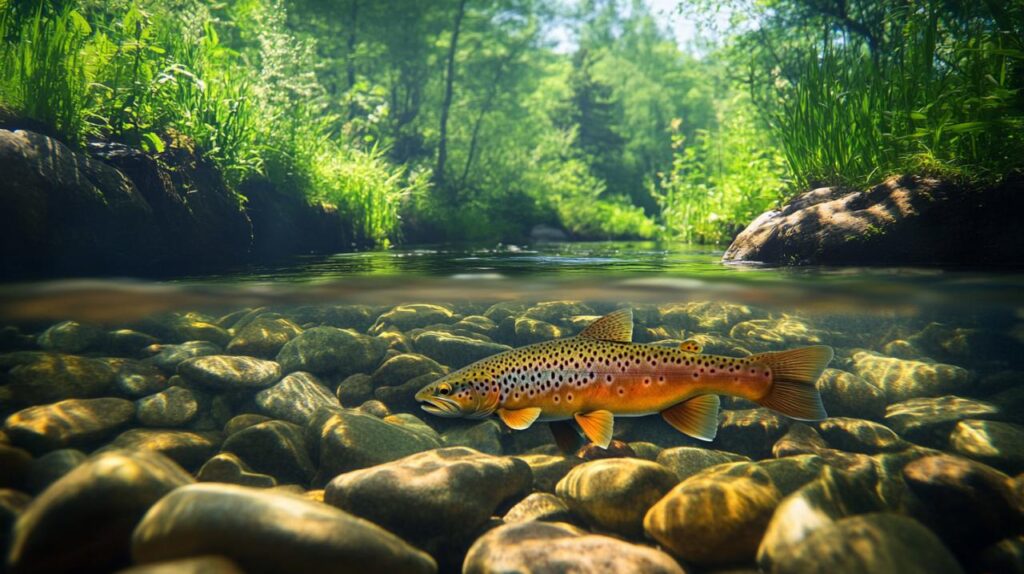
The brown trout, known scientifically as Salmo trutta, holds a cherished place in the hearts of anglers and conservationists across the British Isles. This remarkable species, with its striking golden hues and dark spots, thrives in a diverse range of freshwater environments, from fast-flowing chalk streams to tranquil lakes and estuaries. Beyond its appeal as a sporting fish, the brown trout serves as a vital indicator of ecosystem health, reflecting the quality of our rivers and the balance of aquatic habitats. Understanding the biology, behaviour, and conservation needs of this native species is essential for ensuring its continued presence in our waters for generations to come.
Understanding brown trout biology and behaviour
The Distinctive Characteristics of Salmo trutta
The brown trout exhibits a remarkable degree of genetic variation, which results in a wide array of physical appearances. Depending on the habitat and environmental conditions, individuals may display colours ranging from pale to golden brown, often adorned with distinctive dark spots that add to their allure. This adaptability extends beyond mere appearance, as brown trout are capable of living entirely in freshwater or embarking on migratory journeys to the sea, where they are known as sea trout. Despite these differences in lifestyle, both forms belong to the same species, a fact that underscores their incredible versatility.
In terms of size, brown trout typically measure between forty and eighty centimetres in length, although some individuals can grow considerably larger. The maximum recorded weight for a brown trout stands at an impressive thirty-one pounds and twelve ounces, a testament to the species' potential when conditions are favourable. These fish are predatory by nature, feeding primarily on insects, small fish, and crustaceans. Their diet is highly opportunistic, shifting in response to the availability of food sources within their environment. This flexibility in feeding behaviour is one of the key factors that has allowed the brown trout to thrive in such a wide range of habitats.
The lifecycle of the brown trout is equally fascinating. Spawning occurs mainly during late autumn and winter, with some activity extending into early spring. During this period, female brown trout create nests, known as redds, in gravel beds within clean, well-oxygenated waters. The eggs are laid and fertilised, and once hatched, the young fry remain in sheltered habitats, gradually developing into parr. These juvenile fish mature over a period of two to four years, depending on factors such as water temperature and food availability. The brown trout's preference for cool waters, typically between six and fifteen degrees Celsius, further influences their distribution and behaviour.
Adaptive feeding patterns across different waters
Brown trout are renowned for their adaptability when it comes to feeding. In rivers and streams, they often lie in wait beneath overhanging vegetation or submerged rocks, darting out to snatch passing insects or smaller fish. This ambush strategy is highly effective in fast-moving waters, where prey is constantly being carried downstream. In lakes and estuaries, brown trout may adopt a more roaming approach, cruising through open water in search of food. Their diet varies not only by habitat but also by season, with insects such as mayflies and caddisflies being particularly important during warmer months.
The ability of brown trout to adjust their feeding habits has significant implications for anglers. Successful fishing often requires a deep understanding of the local environment and the types of prey that are most abundant at any given time. Fly fishing, in particular, has become synonymous with brown trout angling, as it allows anglers to mimic the insects that these fish naturally feed on. By carefully selecting artificial flies that resemble the prevailing hatch, anglers can increase their chances of a successful catch. However, the art of fly fishing extends beyond simply choosing the right fly; it requires careful observation of water patterns, accurate casting, and a stealthy approach to avoid spooking wary fish.
The distribution of brown trout across the British Isles and beyond is a testament to their adaptability. Originally native to regions ranging from Iceland to the Atlas Mountains and as far east as Kazakhstan, brown trout have been introduced to numerous other parts of the world, including North America, Australia, and Japan. In many of these areas, they have established thriving populations, although their introduction has not been without controversy. In their native range, however, brown trout remain a vital component of freshwater ecosystems, contributing to the health and diversity of river and lake habitats.
The Critical Role of Catch and Release in Conservation
Best practices for responsible angling
Catch and release fishing has emerged as a cornerstone of sustainable angling practices, particularly for species such as the brown trout that face various environmental pressures. By returning fish to the water after capture, anglers can help maintain healthy populations and ensure that future generations have the opportunity to enjoy this iconic species. However, the effectiveness of catch and release depends on the careful application of best practices designed to minimise stress and injury to the fish.
One of the most important considerations is the choice of equipment. Using barbless hooks, for example, makes it easier to release fish quickly and with minimal harm. Additionally, anglers should aim to land fish as quickly as possible to reduce exhaustion. Prolonged fights can deplete a fish's energy reserves, making it more difficult for it to recover once released. When handling brown trout, it is essential to keep them in the water as much as possible and to wet your hands before touching them. This helps to protect the delicate mucous layer that covers their skin, which plays a crucial role in preventing infection and disease.
Timing is also a critical factor in catch and release fishing. During spawning periods, brown trout are particularly vulnerable, as they are focused on reproduction and may be less able to cope with the additional stress of being caught. By avoiding fishing in known spawning grounds during late autumn and winter, anglers can help to protect these vital areas and support the natural reproductive cycle of the species. Similarly, fishing during the cooler parts of the day, such as early morning or late evening, can reduce stress on fish, as water temperatures are lower and oxygen levels are higher.
Protecting spawning grounds and natural habitats
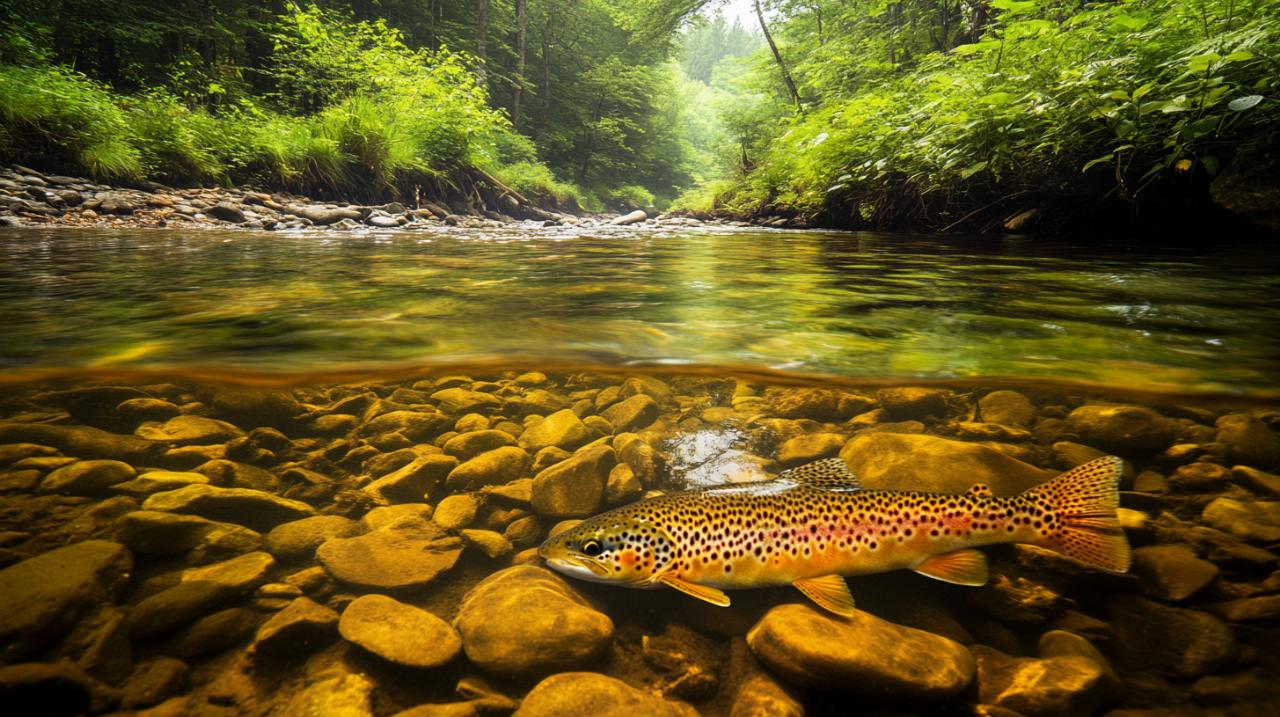
The health of brown trout populations is inextricably linked to the quality of their habitats. Clean, well-oxygenated water is essential for the survival of eggs and fry, while access to suitable spawning grounds is critical for successful reproduction. Unfortunately, many rivers and streams across the British Isles face significant challenges, including pollution, habitat disruption, and the presence of physical barriers such as weirs and dams. These obstacles can prevent brown trout from reaching their spawning grounds, leading to declines in population numbers.
Efforts to protect and restore freshwater habitats are therefore crucial for the long-term conservation of brown trout. Organisations such as the Wild Trout Trust, the Wildlife Trusts, and the Woodland Trust are at the forefront of these efforts, working to improve water quality, remove barriers to fish migration, and restore degraded habitats. By planting trees along riverbanks, for example, these groups help to stabilise soil, reduce erosion, and provide shade that keeps water temperatures cool. These actions not only benefit brown trout but also support a wide range of other aquatic and terrestrial species.
Public appreciation for brown trout and an understanding of their ecological importance play a vital role in driving conservation efforts. As sensitive indicators of ecosystem health, brown trout can provide valuable insights into the condition of river and lake habitats. Declines in trout populations often signal broader environmental problems, such as poor water quality or habitat loss. By monitoring brown trout and taking action to address the threats they face, conservationists can help to protect the wider biodiversity of freshwater ecosystems. Anglers, too, have a role to play in this process, by adhering to local fishing regulations, practising catch and release, and supporting initiatives aimed at habitat restoration.
Sustainable fishing techniques for brown trout preservation
Fly fishing methods that minimise stress
Fly fishing is widely regarded as one of the most effective and environmentally friendly methods for catching brown trout. The technique involves using lightweight artificial flies to imitate the insects and other prey that trout feed on. This approach requires skill and precision, as anglers must carefully observe the behaviour of the fish and the patterns of the water to determine the best strategy. A versatile fishing setup, such as a nine to ten-foot rod with a weight range of four to seven, is often recommended for brown trout angling, as it provides the flexibility needed to adapt to different conditions.
One of the key advantages of fly fishing is that it allows for a more selective approach to angling. By targeting specific fish and using techniques that minimise stress, anglers can reduce the impact of their activities on brown trout populations. For example, fishing with dry flies on the surface of the water can be an exciting and effective method, particularly during periods when insects are hatching. This technique not only provides a thrilling experience for the angler but also allows for the quick release of fish, as they are often hooked in the lip rather than deeper in the throat.
Matching fishing techniques to the season is another important consideration for sustainable angling. During spring and autumn, brown trout are often more active and can be found feeding in a variety of locations, from shallow riffles to deeper pools. In contrast, during the warmer summer months, trout may seek out cooler, deeper waters, making them more challenging to catch. By understanding these seasonal patterns and adjusting their approach accordingly, anglers can increase their chances of success while minimising disturbance to the fish. Practising stealth and respecting river habitats are also essential components of responsible angling, as they help to ensure that brown trout and other wildlife are not unduly disturbed.
Timing your fishing trips around reproductive cycles
The reproductive cycle of brown trout is a critical period that requires careful consideration from anglers. Spawning typically occurs between late autumn and early spring, with the exact timing varying depending on location and water temperature. During this time, female brown trout create redds in gravel beds, where they lay their eggs. These nests are carefully constructed and are essential for the survival of the next generation of trout. Disturbance to spawning grounds can have serious consequences, as it may damage eggs or disrupt the spawning process.
To support the conservation of brown trout, anglers should avoid fishing in known spawning areas during the reproductive season. Many local fishing regulations include specific restrictions on when and where fishing is permitted, and it is important to adhere to these rules. In addition to protecting spawning grounds, timing fishing trips to avoid the peak of the spawning season can help to reduce stress on adult fish, allowing them to focus their energy on reproduction. By being mindful of these considerations, anglers can play a vital role in ensuring that brown trout populations remain healthy and sustainable.
The importance of brown trout extends beyond their value as a sporting fish. As a native species of the British Isles, they are an integral part of our freshwater heritage and a symbol of the rich biodiversity that can be found in our rivers and lakes. However, brown trout face numerous threats, including climate change, pollution, and habitat loss. Rising water temperatures, changes in precipitation patterns, and the degradation of river ecosystems all pose significant challenges to the survival of this iconic species. By adopting sustainable fishing practices, supporting conservation initiatives, and working to protect and restore freshwater habitats, we can help to ensure that brown trout continue to thrive in our waters for generations to come.