
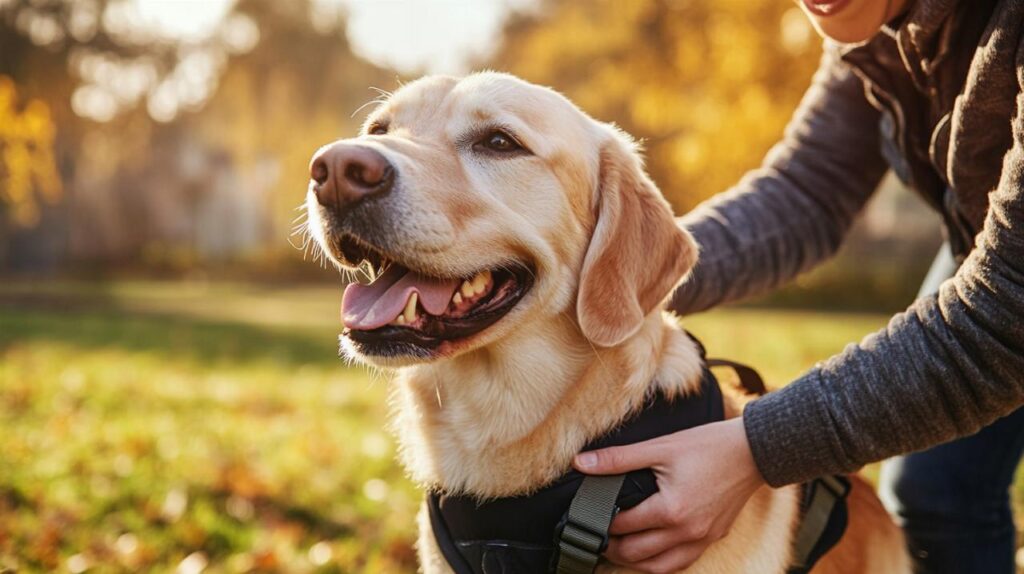
Choosing the right harness for your canine companion is one of the most important decisions a dog owner can make. A well-fitted harness not only enhances safety during walks but also ensures your pet feels comfortable and secure. Whether you're navigating busy city streets or exploring countryside trails, understanding the nuances of harness fitting can transform your daily routines into enjoyable experiences for both you and your four-legged friend. This guide will walk you through everything you need to know, from selecting the appropriate style to fine-tuning those all-important straps.
Understanding harness types and their benefits over traditional collars
Exploring Different Harness Designs for Various Breeds and Walking Styles
When it comes to dog harnesses, variety is the spice of life. Different designs cater to different breeds, sizes, and walking habits. A back-clip harness, for instance, is a popular choice for smaller dogs or those who walk calmly on a lead. The attachment point sits between the shoulder blades, reducing strain on the neck and distributing pressure more evenly across the chest. For dogs who tend to pull, a front-clip harness can be a game changer. By attaching the lead at the chest, it gently discourages pulling and offers greater control, making walks less of a tug-of-war and more of a pleasant stroll.
For larger or more active breeds, a dual-clip harness provides versatility. These harnesses feature both front and back attachment points, allowing you to switch between them depending on the situation. If you're training your dog to walk politely on a lead, the front clip can help reinforce good behaviour. Once your dog has mastered leash manners, you can switch to the back clip for a more relaxed walk. Additionally, some harnesses come with padded straps or breathable mesh materials, which are particularly beneficial for dogs with sensitive skin or those who spend extended periods outdoors. Tweed dog harnesses, for example, combine style with function, offering a classic look while ensuring durability and comfort.
Why a Properly Fitted Harness Trumps a Collar for Your Dog's Safety and Wellbeing
Traditional collars have long been a staple in dog accessories, but they aren't without their drawbacks. Collars place pressure directly on the neck, which can lead to discomfort or even injury, particularly for dogs who pull on their leads. Over time, this pressure can damage the delicate structures of the throat, potentially causing issues with the trachea or exacerbating respiratory problems in breeds already prone to such conditions. A harness, by contrast, distributes pressure across the chest and shoulders, reducing the risk of injury and promoting healthier walking habits.
Safety is another compelling reason to opt for a harness. Dogs can slip out of collars more easily, especially if they become startled or try to back out of them. A well-fitted harness, however, wraps around the body in a way that makes escape far less likely. This is particularly important for puppies or rescue dogs who may not yet be fully accustomed to walking on a lead. Beyond safety, harnesses can also improve your dog's overall wellbeing by encouraging better posture and reducing strain on the neck and spine. For pet owners who prioritise both comfort and control, a harness is simply the superior choice.
Measuring Your Dog Accurately to Select the Perfect Harness Size
Taking Precise Chest and Neck Measurements for a Secure Fit
Accurate measurements are the foundation of a well-fitted harness. To get started, you'll need a soft measuring tape and a cooperative canine. Begin by measuring the widest part of your dog's chest, which is typically just behind the front legs. Wrap the tape snugly around the body, ensuring it sits flat against the fur without being too tight. A good rule of thumb is that you should be able to fit two fingers comfortably between the tape and your dog's body. This same principle applies once the harness is on, as it ensures the fit is secure without being restrictive.
Next, measure the circumference of your dog's neck, taking care to position the tape where a collar would naturally sit. This measurement is particularly important for harnesses that feature a neck strap, as it helps prevent the harness from slipping over the head or rubbing against the skin. Once you've recorded these measurements, consult the sizing chart provided by the harness manufacturer. Different brands may have slightly different sizing standards, so always refer to their specific guidelines rather than assuming a small, medium, or large will fit universally. If your dog falls between two sizes, it's generally safer to opt for the larger size, as most harnesses feature adjustable straps that allow for fine-tuning.
Special considerations when sizing harnesses for growing puppies
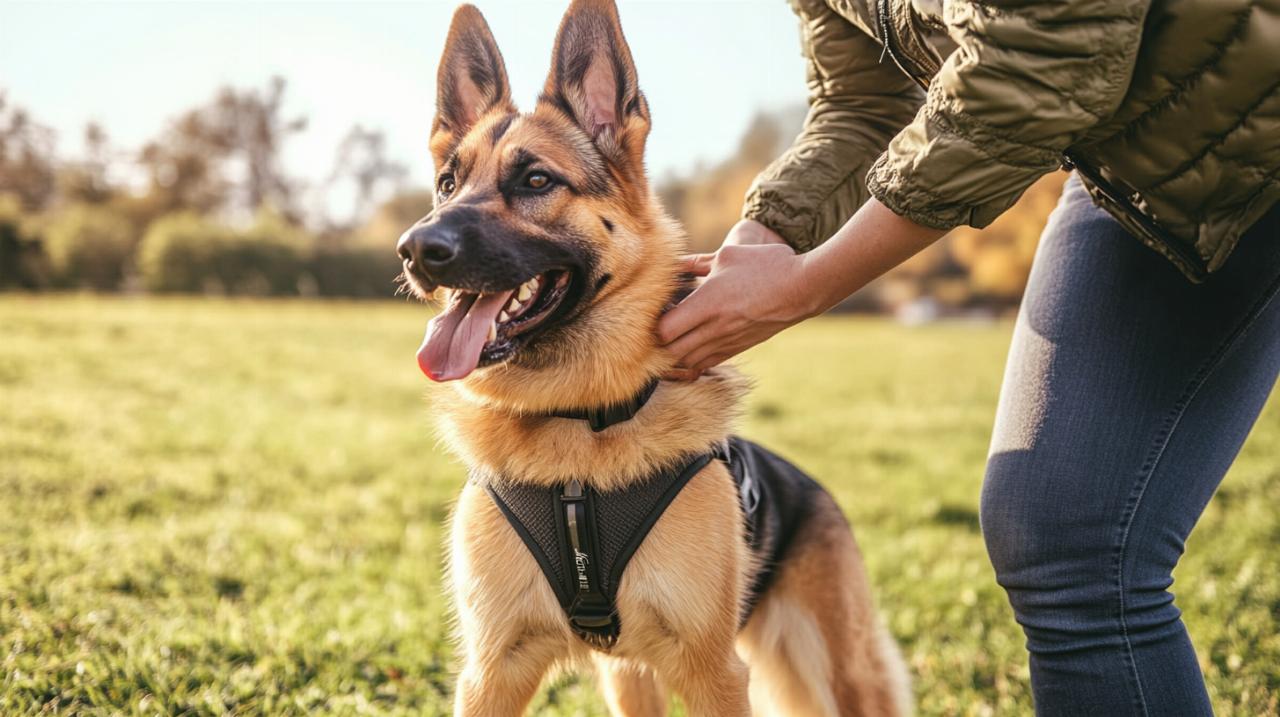
Puppies present a unique challenge when it comes to harness fitting, as they're constantly growing and changing. While it might be tempting to purchase a harness several sizes too large in the hope that your puppy will grow into it, this approach can compromise both safety and comfort. An oversized harness may slip around, chafe the skin, or fail to provide adequate control during walks. Instead, invest in a harness that fits your puppy's current size, and plan to upgrade as they grow.
Many manufacturers now offer harnesses specifically designed for puppies, with extra adjustability built into the straps. These harnesses can accommodate a wider range of sizes, extending their usability as your puppy matures. It's also worth considering harnesses made from lightweight materials, as these are less cumbersome for smaller, younger dogs who are still learning to navigate the world on a lead. Regularly check the fit of your puppy's harness, especially during growth spurts. What fits perfectly one month may be too snug the next, so make it a habit to reassess the fit every few weeks. By staying attentive to your puppy's changing needs, you can ensure they remain comfortable and secure as they grow.
Adjusting Straps and Training Your Dog to Accept Their New Harness
Step-by-Step Guide to Fine-Tuning Strap Tension for Maximum Comfort
Once you've selected the right size, the next step is to adjust the straps to achieve a perfect fit. Start by loosening all the straps on the harness before placing it on your dog. This makes it easier to slip the harness over their head and around their body without causing discomfort. Once the harness is in position, begin tightening the straps one at a time, starting with the chest strap. As you adjust each strap, remember the two-finger rule: you should be able to slide two fingers between the strap and your dog's body. This ensures the harness is snug enough to prevent slipping but not so tight that it restricts movement or causes irritation.
Pay particular attention to the areas where the straps cross or meet, as these are common points of friction. If the harness features a belly strap, adjust it so that it sits comfortably behind the ribcage, providing support without digging into the skin. After all the straps are adjusted, take your dog for a short walk around the house or garden. Observe how they move and watch for any signs of discomfort, such as rubbing, chafing, or attempts to wriggle out of the harness. If you notice any issues, make small adjustments to the straps and test again. Fine-tuning the fit may take a bit of trial and error, but the effort is well worth it for the sake of your dog's comfort and safety.
Gentle Training Techniques to Help Your Dog Adapt to Wearing a Harness
Even the most perfectly fitted harness can be met with resistance if your dog isn't used to wearing one. Introducing a harness gradually and using positive reinforcement can make the process much smoother. Start by letting your dog sniff and investigate the harness while it's lying on the floor. Reward them with treats and praise to create a positive association. Once they seem comfortable with the harness's presence, gently drape it over their back without fastening any straps. Again, reward them with treats and affection.
The next step is to fasten one or two straps while your dog is distracted by treats or a favourite toy. Keep the initial sessions short, allowing your dog to wear the harness for just a few minutes at a time. Gradually increase the duration as they become more comfortable. If your dog resists or becomes anxious, take a step back and slow down the process. Patience is key. Once your dog is comfortable wearing the harness indoors, attach the lead and practice walking around the house or garden before venturing out for a full walk. This gradual approach helps your dog associate the harness with positive experiences, making it easier for them to accept it as part of their daily routine. With time and consistent training, most dogs adapt quickly and come to see their harness as a signal that an exciting walk is about to begin.