
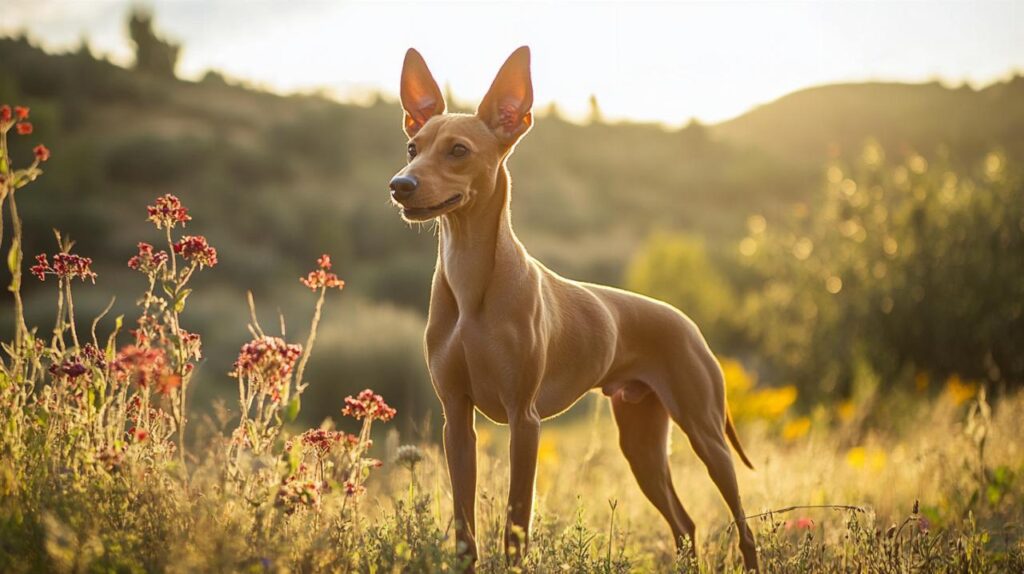
Originating from the sun-drenched landscapes of Spain, Podencos represent a fascinating group of hounds that have captured the hearts of dog enthusiasts worldwide. These elegant and athletic dogs, with a lineage tracing back to ancient Egyptian Pharaoh Hounds, are increasingly finding homes across the United Kingdom. Understanding the unique needs of these Spanish hounds is essential for anyone considering welcoming one into their family, particularly within the context of UK breed legislation and responsible ownership practices. This article delves into the character, dietary requirements, and health considerations necessary for providing a loving and suitable home for these remarkable dogs.
Understanding podenco breeds: character, temperament, and what makes these spanish hounds special
The Podenco family encompasses several distinct breeds, each with its own regional heritage and characteristics. The Podenco Andaluz, a smaller variety from mainland Spain, was traditionally bred for rabbit hunting. The Podenco Canario, a medium-sized dog from the Canary Islands, shares this hunting heritage. The Podenco Ibicenco, perhaps the most recognisable of the group, hails from Ibiza and was historically employed in hunting rabbit, deer, and even wild boar. Each type has been shaped by the specific terrain and prey of its region, resulting in subtle variations in size, coat type, and hunting style. These differences, whilst fascinating from a historical perspective, mean that potential owners should research the specific type they are considering to ensure it aligns with their lifestyle and living situation.
Podencos possess a rich history that spans millennia, descending from some of the oldest known dog breeds. Their remarkable lineage is evident in their striking appearance and exceptional abilities. Despite their ancient and noble origins, these dogs have sadly faced significant challenges in their homeland, often being referred to as invisible dogs due to historical exclusion from comprehensive animal welfare protections. This has led to widespread abuse and neglect, prompting the creation of rescue organisations such as Hope For Podencos, a registered charity dedicated to their welfare. Understanding this background helps potential owners appreciate the resilience and spirit of these magnificent animals.
The Independent Spirit and Intelligence of Podencos: What to Expect from Their Unique Personality
Podencos are renowned for their clever, curious, and sensitive nature. They form deep bonds with their human companions, displaying loyalty and affection that make them wonderful family pets. However, their intelligence and independent streak, honed through generations of hunting, mean they require patient and consistent training. They thrive in various household settings, often getting along well with other dogs, cats, and children, provided introductions are managed carefully and respectfully. Their sensitivity means they respond best to positive reinforcement methods rather than harsh corrections. Owners must be prepared to invest time in building a trusting relationship, as these dogs flourish when they feel secure and understood.
The hunting heritage of Podencos has endowed them with exceptional sensory abilities. Their hearing, eyesight, and sense of smell are all remarkably acute, making them naturally alert and aware of their surroundings. This prey drive is an intrinsic part of their character, meaning they may be inclined to chase smaller animals if not properly managed. Their agility is equally impressive, with many capable of climbing trees and clearing impressive heights with ease. This athleticism is a joy to witness but also necessitates secure outdoor spaces. A garden with a fence of approximately six feet in height is typically recommended to prevent adventurous escapes. Owners should never underestimate the physical capabilities of these hounds.
Exercise Requirements and Mental Stimulation: Keeping Your Podenco Happy and Healthy in a UK Home
Podencos are active dogs that require substantial exercise to maintain their physical and mental wellbeing. A sedentary lifestyle is simply not suitable for these energetic hounds. Daily walks, opportunities to run in secure areas, and engaging activities are essential to prevent boredom, which can lead to destructive behaviours. Their intelligence means they also crave mental stimulation, making puzzle toys, scent work, and training sessions invaluable additions to their routine. Many Podencos excel in canine sports such as canicross and agility, channelling their natural athleticism into structured activities that strengthen the bond between dog and owner.
Adapting to life in the United Kingdom requires consideration of the different environment and climate compared to their native Spain. Whilst they are adaptable dogs, ensuring they have appropriate shelter during inclement weather and adjusting exercise routines to suit British conditions is important. In rural areas, particular care must be taken around livestock. Podencos should always be kept on leads in these settings to prevent livestock worrying, which is a serious offence under the Dogs Protection of Livestock Amendment Act 2025. This legislation introduced stronger penalties and enhanced police powers to address such incidents, which came into force in March 2026. Responsible owners must be vigilant and respectful of agricultural land and the animals that inhabit it.
Feeding Your Podenco: Nutritional Needs and Dietary Considerations for Optimal Health
Providing a balanced and nutritious diet is fundamental to the health and longevity of any dog, and Podencos are no exception. Their active lifestyle and lean physique require a diet that supports their energy levels whilst maintaining a healthy weight. The specific nutritional needs can vary depending on the size and type of Podenco, as well as their age and activity level. Consulting with a veterinarian to establish an appropriate feeding plan tailored to the individual dog is always recommended. This ensures that all essential nutrients are provided in the correct proportions, supporting everything from muscle development to coat health.
Balanced Diet Requirements for Different Podenco Breeds: From Ibizan Hounds to Podenco Andaluz
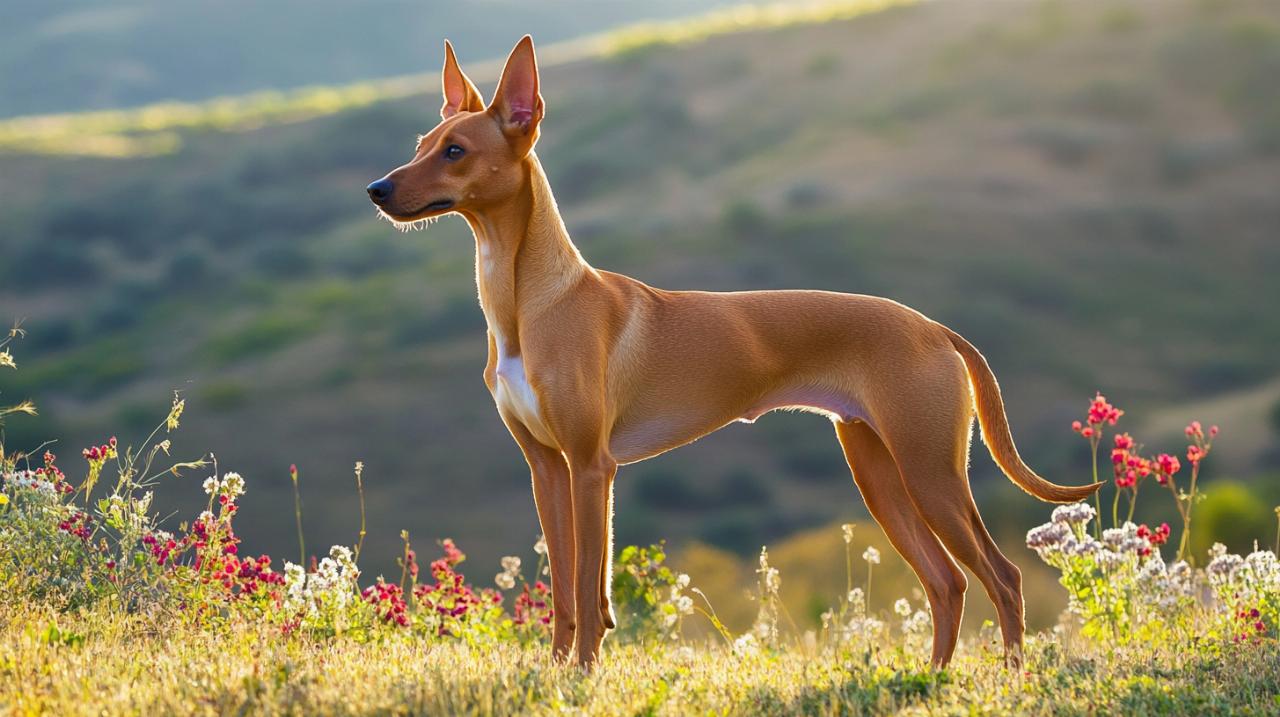
The dietary requirements of Podencos can differ slightly between the various breeds within the family. Larger dogs, such as the Podenco Ibicenco, will naturally require more food than the smaller Podenco Andaluz. However, the quality of the food is paramount across all sizes. High-quality dog food, whether commercial kibble, wet food, or a carefully balanced raw diet, should contain appropriate levels of protein, fats, carbohydrates, vitamins, and minerals. Protein is particularly important for maintaining their muscular physique, whilst fats provide essential energy for their active lifestyle. Reading ingredient labels and choosing foods from reputable manufacturers helps ensure the diet meets these needs.
Treats can be a valuable training tool and a way to show affection, but they should be given in moderation to avoid weight gain. Opting for healthy treats, such as small pieces of cooked chicken or vegetables, is preferable to processed options high in sugar and fat. Fresh water should always be available, particularly after exercise or during warmer weather. Monitoring food intake and adjusting portions as necessary based on the dog's weight and condition is an ongoing responsibility. Owners should be able to feel the dog's ribs without excessive pressure, indicating a healthy body condition.
Common Feeding Challenges and Solutions: Managing Weight and Energy Levels in Active Spanish Hounds
One common challenge with active breeds like Podencos is ensuring they receive sufficient calories to fuel their energy expenditure without overfeeding. Dogs that participate in regular strenuous activities, such as long hikes or canine sports, may require more food than those with a more moderate exercise routine. Conversely, if a Podenco's activity level decreases due to age or injury, their caloric intake should be adjusted accordingly to prevent obesity. Obesity can lead to a range of health problems, including joint issues and heart disease, so maintaining an appropriate weight is crucial for long-term health.
Some Podencos may have sensitive stomachs or food allergies, which can manifest as digestive upset or skin problems. If such issues arise, it is important to work with a veterinarian to identify potential triggers and adjust the diet accordingly. This may involve switching to a hypoallergenic food or a limited-ingredient diet. Gradual transitions between different foods are always advisable to minimise digestive upset. Owners should also be aware that certain human foods are toxic to dogs, including chocolate, grapes, onions, and xylitol, and these must be kept out of reach at all times.
Health Concerns and Responsible Ownership: Navigating UK Legislation and Ensuring Lifelong Wellbeing
Podencos are generally hardy dogs with good overall health, but like all breeds, they can be susceptible to certain conditions. Understanding potential health concerns and taking proactive steps to monitor and address them is an essential aspect of responsible ownership. Regular veterinary check-ups, vaccinations, and preventative treatments for parasites are fundamental. Owners should also be observant of any changes in their dog's behaviour, appetite, or physical condition, as these can be early indicators of health problems. Prompt veterinary attention when concerns arise can make a significant difference in outcomes.
Breed-specific health considerations: what every podenco owner should know about common conditions
Whilst Podencos do not have as many breed-specific health issues as some pedigree breeds, they can still experience certain problems. These can include conditions affecting the eyes, such as progressive retinal atrophy, and musculoskeletal issues, particularly if they sustain injuries during their active pursuits. Hip dysplasia, though less common than in some larger breeds, can also occur. Responsible breeders should screen their breeding stock for known genetic conditions to minimise the risk of these being passed on to puppies. Prospective owners should inquire about health testing when considering a puppy from a breeder.
The Innate Health Assessment tool, available from November onwards at innatehealthassessment.org, provides valuable information about a dog's physical health. This resource can be particularly useful for prospective owners seeking to understand the health background of a specific breed or individual dog. Investing in pet insurance is also highly advisable, as veterinary costs can be substantial, particularly for unexpected emergencies or chronic conditions. Insurance provides peace of mind, ensuring that financial constraints do not prevent access to necessary treatment. Reviewing different policies and selecting one that offers comprehensive coverage is a wise investment.
UK Breed Legislation and Responsible Breeding: Finding Ethical Breeders and Supporting Podenco Rescue Centres
In the United Kingdom, all dogs must be microchipped and registered by eight weeks of age. This legal requirement helps reunite lost dogs with their owners and promotes responsible ownership. Understanding the broader landscape of dog legislation is also important, particularly the Dangerous Dogs Act 1991 and the concept of Breed Specific Legislation. Whilst Podencos are not currently listed as banned breeds under this Act, which prohibits ownership of certain types including the Pit Bull Terrier, Japanese Tosa, Dogo Argentino, Fila Braziliero, and XL Bully, the broader discussion surrounding BSL is relevant to all dog owners. The RSPCA has been actively campaigning to end BSL, arguing that there is no strong evidence that certain breeds are inherently more aggressive and that legislation should focus on responsible ownership and behaviour rather than breed.
Statistics reveal that dog bites in the UK increased by over one hundred and fifty per cent between 1999 and 2019, rising from over three thousand to nearly nine thousand incidents, despite the existence of BSL. Furthermore, between 1989 and 2017, forty-eight people tragically died in dog-related incidents, and most of the dogs involved were not on the banned list. The RSPCA proposes a three-pronged approach encompassing effective legislation based on behaviour rather than breed, education focusing on safe behaviour around dogs, and a better understanding of why dogs bite. Several other countries have already repealed their breed-specific legislation, shifting their focus towards responsible ownership and public education. The RSPCA is actively calling for the repeal of Section 1 of the Dangerous Dogs Act and encourages the public to contact their Members of Parliament to support this campaign.
The Animal Welfare Act establishes a legal framework requiring owners to meet a dog's five fundamental welfare needs. These encompass providing a suitable environment, an appropriate diet, the ability to exhibit normal behaviour patterns, suitable housing with or apart from other animals, and protection from pain, suffering, injury, and disease. Adhering to these requirements is not merely good practice but a legal obligation. When considering acquiring a Podenco, potential owners have the option of adopting from a rescue centre or purchasing from a reputable breeder. Adoption offers a wonderful opportunity to provide a home to a dog in need, and organisations like Hope For Podencos, registered charity number 1212896, are dedicated to rehoming these dogs. They can be contacted via [email protected] or by telephone, and their commitment to finding forever homes is invaluable.
If choosing to purchase a puppy from a breeder, it is imperative to select a responsible and ethical individual. Breeders with three or more breeding bitches are required to be licensed, and prospective owners should always request to see this licence. Visiting the breeding premises, meeting the mother and ideally the father of the puppies, and observing the conditions in which the dogs are kept are essential steps. Responsible breeders will be knowledgeable about the breed, health test their breeding stock, and be genuinely interested in ensuring their puppies go to suitable homes. They will also provide support and advice to new owners. Avoiding puppy farms and unscrupulous breeders is crucial for the welfare of the dogs and helps combat unethical breeding practices.
Responsible ownership extends beyond the initial acquisition of a dog. It encompasses a lifelong commitment to their care, training, and wellbeing. Reporting anti-social dog behaviour to the Local Authority or Police is important for maintaining community safety. These authorities can issue Community Protection Warnings and Notices, with breaches constituting a criminal offence potentially resulting in a fine of up to two thousand five hundred pounds. Children should never be left unattended with any dog, and teaching them to respect a dog's space and body language is vital for preventing bites. In rural areas, keeping dogs on leads around livestock is not only courteous but legally required, and owners should release the lead if chased by cattle to prioritise personal safety. Reporting dog attacks on livestock to the police and local farmers is also essential. By embracing responsible ownership practices, understanding relevant legislation, and committing to meeting the unique needs of the Podenco, owners can ensure these remarkable Spanish hounds lead happy, healthy, and fulfilling lives in the United Kingdom.