
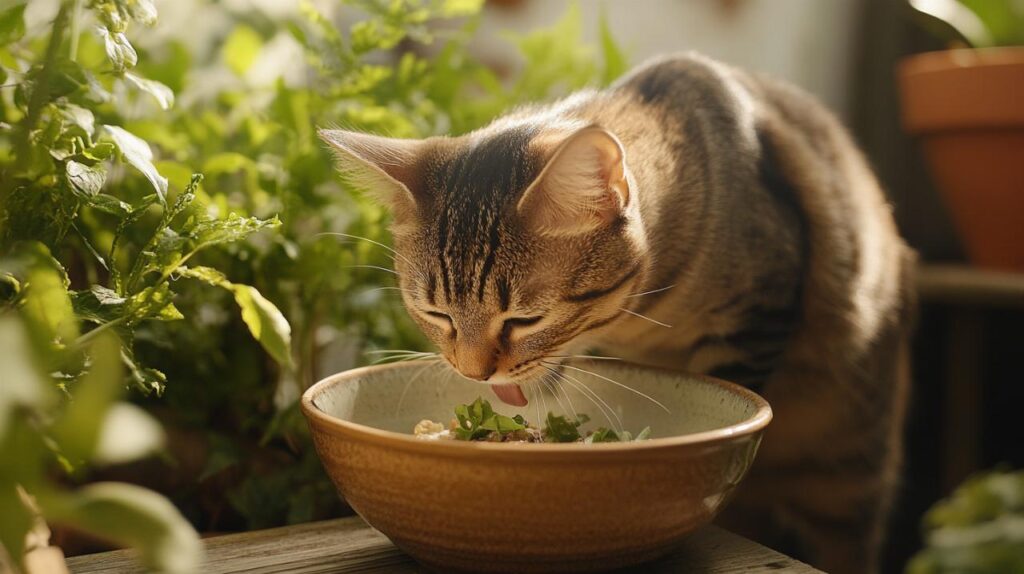
When your feline companion struggles with digestive discomfort, selecting the right nourishment becomes a top priority. Many cat owners find themselves searching for wholesome, easily digestible options that cater to delicate stomachs whilst providing complete nutrition. Organic natural cat pate has emerged as a popular choice, combining high-quality ingredients with gentle formulations designed specifically for cats requiring extra care at mealtimes.
Understanding Organic and Natural Ingredients in Cat Pate
The distinction between organic and conventional pet food lies primarily in how ingredients are sourced and processed. Organic pate uses proteins from animals raised without antibiotics or growth hormones, often featuring grass-fed beef or pasture-raised poultry. Natural formulations prioritise whole food ingredients, avoiding synthetic additives, artificial colours, flavours, and preservatives that can trigger sensitivity in certain cats. For animals prone to digestive upset, these cleaner ingredient lists offer reassurance that nothing unnecessary or potentially irritating enters their system.
What makes pate truly organic: chicken, salmon, tuna and more
Authentic organic pate features proteins such as chicken, salmon, tuna, turkey, and beef sourced from certified organic farms. These proteins undergo minimal processing to preserve their nutritional integrity whilst remaining highly digestible. Chicken stands out as particularly beneficial, boasting a digestibility rate of approximately ninety-two percent, making it an excellent choice for cats with sensitive tummies. Fish varieties including salmon and tuna provide essential omega-three fatty acids that support overall health, whilst turkey and beef offer alternative protein sources for cats who may be sensitive to more common options. The absence of cereals in many organic recipes further reduces potential irritants, as cats naturally thrive on high-protein, low-carbohydrate diets reflective of their status as obligate carnivores.
The difference between natural and conventional cat food
Conventional cat food often contains fillers, by-products, and lower-quality protein sources that can be harder for sensitive stomachs to process. Natural and organic alternatives focus on wholesome carbohydrates derived from vegetables and fruits rather than wheat, corn, or soy, which are common allergens. The ingredient transparency in natural pate allows owners to identify exactly what their cat consumes, reducing the risk of adverse reactions. Many natural formulations also incorporate probiotics to support healthy gut flora, alongside fibre levels carefully balanced between one and eight percent to aid digestion without causing discomfort. The moisture content in wet pate, typically ranging from seventy to eighty-two percent, helps maintain hydration and eases the digestive process compared to dry kibble.
Choosing the Right Pate for Your Cat's Specific Needs
Selecting appropriate pate requires consideration of your cat's life stage, activity level, and any specific health concerns. Manufacturers design formulations tailored to different ages, from kittens requiring growth-supporting nutrients to senior cats needing joint support and easily digestible proteins. For cats exhibiting symptoms such as vomiting, diarrhoea, weight loss, or changes in appetite, a pate designed for sensitive stomachs becomes essential. These specialised recipes typically feature highly digestible proteins, avoid common allergens, and include gut-supporting ingredients such as pumpkin or added probiotics.
Pate Options for Adult and Sterilised Cats
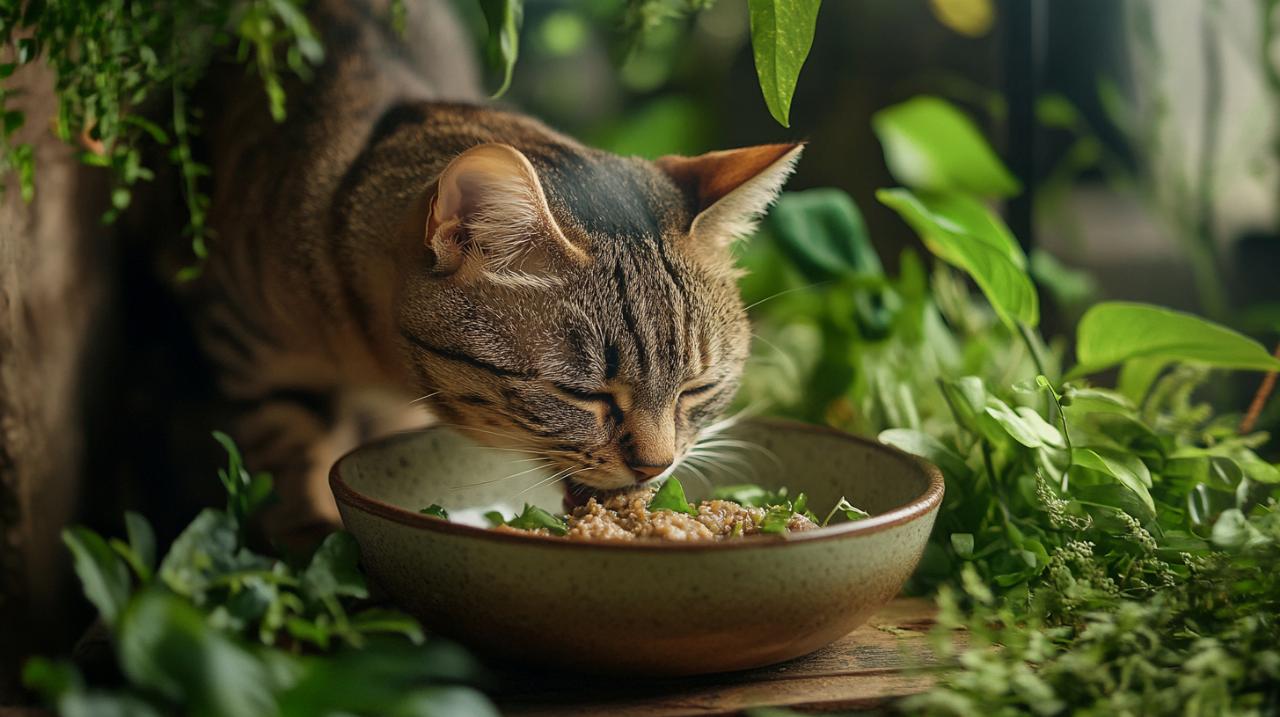
Adult cats between one and seven years generally benefit from complete pate formulations providing balanced nutrition without excessive calories. Sterilised cats, however, require careful portion control as their metabolic needs change following the procedure. Many brands offer specific recipes for neutered or sterilised cats, featuring adjusted protein-to-fat ratios that help maintain healthy weight whilst providing satisfaction. These formulations often include added fibre to support satiety and digestive regularity. When examining labels, look for products meeting FEDIAF guidelines, which recommend around twenty-five grams of protein per one hundred kilocalories of food. The ash content should ideally fall between five and eight percent, indicating appropriate mineral balance without excessive levels that might stress the urinary system.
Comparing Pate with Kibble and Sauce Varieties
Whilst dry kibble offers convenience and dental benefits, pate provides superior moisture content that supports kidney function and overall hydration, particularly important for cats prone to digestive issues. The smooth texture of pate proves easier to digest than kibble, which some cats may struggle to break down adequately, leading to gastrointestinal discomfort. Sauce varieties, where meat chunks float in gravy, can be appealing to fussy eaters but may contain more carbohydrates in the sauce component. Pate delivers concentrated nutrition in a highly palatable form, with many cats finding the dense texture and rich aroma particularly enticing. For households managing sensitive stomachs, pate often represents the safest option, as its consistency and ingredient concentration allow for better portion control and more predictable digestive outcomes.
Where to purchase quality organic cat pate
Sourcing reliable organic pate has become increasingly straightforward with numerous suppliers offering convenient delivery services. When selecting a supplier, consider factors such as ingredient transparency, batch traceability, and the availability of variations to suit your cat's preferences. Many retailers provide multipack options featuring different flavours, allowing you to identify which proteins your cat tolerates best whilst potentially benefiting from offer pricing.
Top suppliers: almo nature and lily's kitchen
Almo Nature has established itself as a trusted name in natural pet food, offering ranges that prioritise simple ingredient lists and high meat content. Their products typically avoid unnecessary additives whilst maintaining palatability and nutritional completeness. Lily's Kitchen represents another excellent choice, with their organic pate multipack containing chicken, chicken with fish, turkey, and beef flavours. This variety pack of eight eighty-five gram tins currently retails at eleven pounds eighty pence, reduced from twelve pounds forty pence, making quality organic nutrition more accessible. Lily's Kitchen emphasises their commitment to wholesome ingredients and transparent sourcing, with their recipes designed to appeal to even discerning feline palates. Both suppliers offer grain-free options, crucial for cats with cereal sensitivities, and formulate their recipes to be nutritionally complete rather than merely complementary.
Delivery options, batch information and special offers
Most reputable suppliers provide free delivery on purchases exceeding a specified threshold, with Lily's Kitchen offering this benefit on orders over twenty-nine pounds, whilst some retailers extend free delivery at forty pounds. For orders below these amounts, delivery charges typically hover around four pounds ninety-five pence, a reasonable fee considering the weight of wet food tins. Batch information appears on packaging, allowing you to trace the production date and ensure freshness. Many companies also operate referral discount schemes, with new customers receiving reductions on first orders over ten pounds, making it economical to trial different brands. Subscription services have gained popularity, with some suppliers delivering customised quantities of both wet and dry food at regular intervals, often at discounted rates. These services typically allow flexibility to adjust deliveries based on your cat's consumption patterns. When ordering online, pay attention to estimated delivery times and storage recommendations, particularly during warmer months when temperature-sensitive products require careful handling. Once opened, wet pate should be covered, refrigerated, and used within a few days to maintain freshness and prevent spoilage. For households with multiple cats or those wishing to take advantage of bulk purchasing, checking for special offers on larger quantities can yield significant savings whilst ensuring your sensitive feline friend never runs short of their preferred organic pate.