
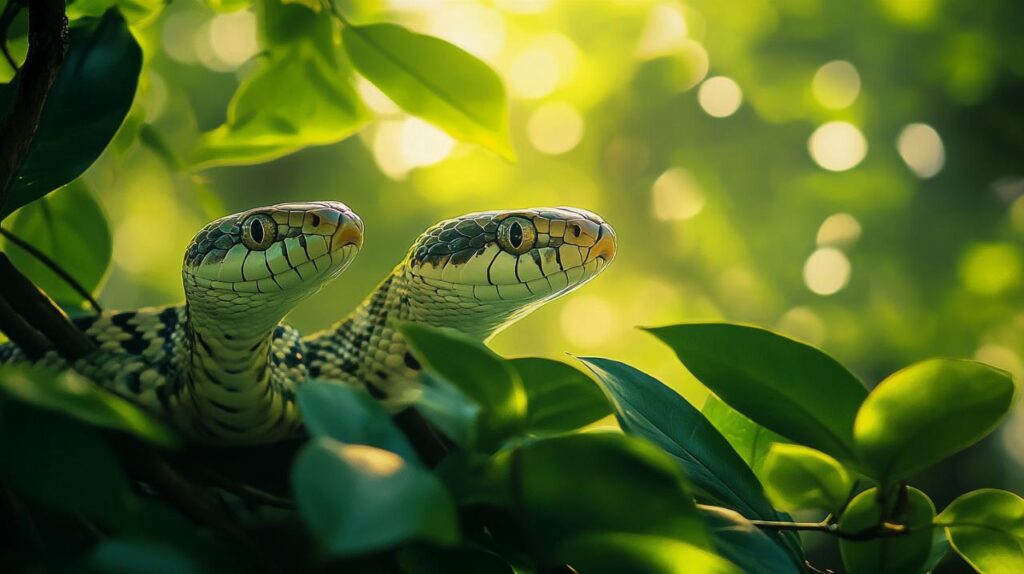
Serpents have long captivated human imagination with their sinuous movements and enigmatic behaviours, yet few aspects of their biology remain as fascinating as their reproductive strategies. From traditional egg-laying to the remarkable phenomenon of live birth, these reptiles exhibit a diversity of methods that reflect their adaptation to varied environments across the globe. Understanding how these creatures perpetuate their species offers insight into the delicate balance between survival, environmental pressures, and evolutionary innovation.
The fundamentals of snake reproduction
Sexual Reproduction in Snakes: Mating Rituals and Fertilisation
The majority of snakes engage in sexual reproduction, a process that begins with elaborate courtship rituals and culminates in the transfer of genetic material from male to female. During mating season, males often compete for the attention of receptive females through physical displays or combat with rivals. Once a pair has formed, copulation occurs through the use of paired reproductive organs known as hemipenes, which the male everts to deliver sperm into the female's cloaca. Fertilisation occurs internally, and the female's body subsequently determines the mode by which offspring will develop, whether through eggs or live birth. This reproductive strategy ensures genetic diversity, a critical factor in the resilience of snake populations against environmental changes and threats from predation.
Asexual reproduction: parthenogenesis in snake species
Although less common, some snake species have demonstrated the ability to reproduce asexually through a process called parthenogenesis. In this remarkable biological phenomenon, females produce offspring without the need for fertilisation by a male. This can occur in captivity when females are isolated from males for extended periods or in wild populations where mates are scarce. The resulting offspring are typically clones of the mother, carrying identical genetic material. Whilst this method allows for rapid population growth in certain circumstances, it reduces genetic diversity and may limit the adaptability of the species to changing environmental conditions. Parthenogenesis remains a subject of ongoing research, particularly in understanding the triggers and mechanisms that enable this form of reproduction.
Oviparous snakes: the egg-laying process
Which snake species lay eggs and why
Oviparity, or egg laying, is the reproductive strategy employed by the majority of snake species. This method involves the female depositing a clutch of eggs in a secure location, such as beneath leaf litter, within decaying logs, or in burrows, where conditions favour incubation. Corn snakes typically lay between ten and thirty eggs per clutch, whilst ball pythons produce smaller clutches ranging from four to ten eggs. The king cobra, one of the largest venomous serpents, lays a substantial number of eggs, often between twenty and fifty, which the female guards diligently throughout the incubation period. Larger species such as the reticulated python may produce over one hundred eggs in a single clutch, reflecting their size and energy reserves. The number of eggs laid is influenced by several factors including the species, the age and health of the female, and environmental conditions such as temperature and humidity. Snakes inhabiting arid regions may produce fewer eggs due to limited food resources, whilst those in more temperate or tropical climates can afford larger clutches. Egg laying offers the mother greater mobility and freedom once the eggs are deposited, allowing her to resume hunting and other activities without the burden of carrying developing young.
Incubation and Hatching: From Egg to Hatchling
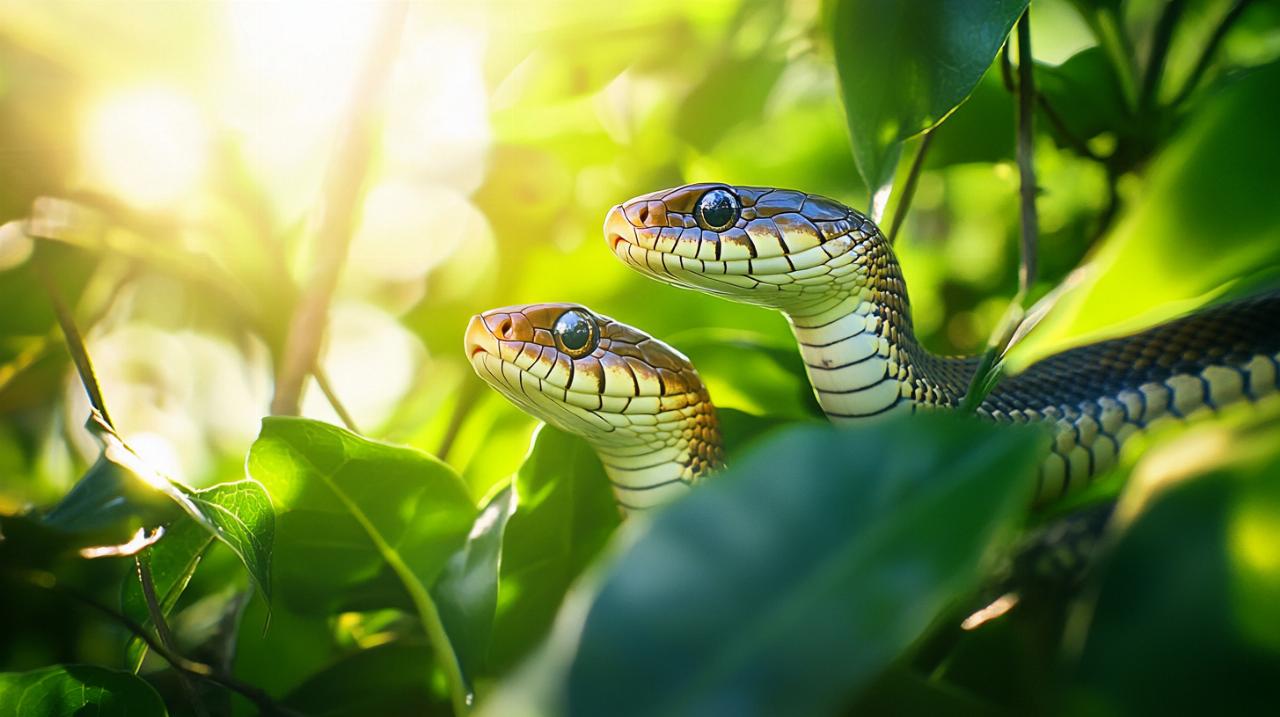
The incubation period for snake eggs varies considerably depending on species and environmental conditions, but typically ranges from forty to seventy days. Temperature and humidity within the nest environment play crucial roles in the successful development of embryos. Corn snake eggs require a warm environment, ideally maintained between eighty-two and eighty-five degrees Fahrenheit, with moderate humidity levels. Ball pythons demand even higher humidity, around ninety percent, combined with consistent warmth to ensure healthy hatching. The king cobra, renowned for its maternal protection, constructs a nest and guards it throughout the incubation period of sixty to seventy-five days, providing an added layer of security against predators. Rat snakes, by contrast, prefer undisturbed nesting sites where temperatures remain stable over forty to sixty days. Reticulated pythons exhibit a unique behaviour in which the mother coils around her eggs, using muscle contractions to generate heat and maintain optimal incubation temperatures over eighty to ninety days. Milk snakes favour drier nesting sites with moderate humidity in the air, and their eggs hatch after fifty to seventy days. The hatching process itself involves the young serpent using a specialised egg tooth to slice through the leathery shell, emerging as a fully formed, albeit miniature, version of the adult. These hatchlings are independent from birth and must fend for themselves immediately, facing the challenges of predation and environmental threats from the moment they enter the world.
Viviparous and ovoviviparous snakes: live birth methods
Understanding live birth in snake species
Live birth, or viviparity, represents a fascinating departure from the egg-laying norm and is observed in approximately fifteen to twenty percent of snake and lizard species. Garter snakes are a prime example of live-bearing serpents, giving birth to fully developed young rather than depositing eggs. This reproductive strategy allows the mother to retain the developing embryos within her body, providing them with protection from external dangers and a stable environment that is less susceptible to temperature fluctuations and predation. The distinction between true viviparity and ovoviviparity, in which eggs are retained within the mother's body until they hatch, is subtle but significant. In ovoviviparous species, the embryos develop within eggs that remain inside the female, deriving nutrients from the yolk rather than directly from the mother. Regardless of the precise mechanism, live birth offers distinct advantages in colder climates or environments where suitable nesting sites are scarce, enabling the mother to regulate the conditions experienced by her offspring more effectively than would be possible with external eggs.
The advantages of retaining eggs until birth
The retention of eggs until birth confers several evolutionary benefits, particularly in terms of maternal protection and embryo development. By keeping the developing young within her body, the mother can actively regulate temperature and moisture levels, ensuring optimal conditions for growth. This is especially advantageous in regions with harsh or unpredictable climates, where external nests would be vulnerable to extreme weather or desiccation. Additionally, live birth reduces the risk of predation, as the embryos are shielded by the mother's body rather than left exposed in a nest. However, this strategy also imposes certain costs on the female, including reduced mobility and increased energy expenditure during gestation. Interestingly, the reproductive strategy can vary even within closely related species depending on environmental factors. For instance, the yellow-bellied three-toed skink in cooler regions of Australia gives birth to live young, whilst populations in warmer areas lay eggs, illustrating the flexibility and adaptability of reproductive strategies in response to local conditions. This phenomenon, known as reproductive plasticity, underscores the complex interplay between genetics and environment in shaping the life histories of reptiles. Across the broader animal kingdom, live birth is relatively rare among reptiles compared to mammals, with only about two percent of fish species and a small proportion of amphibians, such as certain caecilians and the Indonesian fanged frog, exhibiting this trait. Even the Suriname sea toad has evolved a unique method of live birth, in which tadpoles emerge through holes in the mother's back, further demonstrating the remarkable diversity of reproductive adaptations in nature.